I’ll be honest — I was in the middle of a frantic weekday dinner scramble when my roommate dared me to turn a sad, wilted zucchini into something that could actually make us forget about pizza. The kitchen was a battlefield of half‑cracked eggs, a stubborn stovetop, and a lingering scent of burnt toast that threatened to ruin any hope of culinary glory. Then, like a flash of inspiration, I remembered that one summer afternoon when I first tasted a goat cheese‑laden dip that practically sang on my tongue, and I thought, “What if I marry those two love affairs?” That thought sparked a frenzy of grating, whisking, and a daring splash of lemon that turned a humble vegetable into a golden, crispy masterpiece.
Picture this: the zucchini, freshly shredded, releasing a faint, earthy perfume that mingles with the sharp tang of goat cheese, while the pan hisses like a crowd at a rock concert. The moment the batter hits the hot oil, you hear that unmistakable sizzle — a sound that promises crunchy edges that shatter like thin ice and a tender, moist interior that melts in your mouth. The aroma of fresh dill and mint rushes through the kitchen, a green, herbaceous wave that makes your stomach do a little happy dance. And when you finally drizzle the velvety goat cheese sauce over the stack of fritters, it coats them like a silk scarf, each bite a perfect balance of salty, creamy, and just‑the‑right‑kick of lemon.
Most recipes for zucchini fritters either drown the vegetable in flour or forget the sauce entirely, leaving you with a bland, soggy disappointment. This version, however, flips the script by using a light batter that lets the zucchini’s natural moisture shine through while the goat cheese sauce adds a luxurious, tangy finish that you’ll swear is straight from a five‑star bistro. I’ve added a secret weapon — a pinch of baking powder and a splash of buttermilk — that creates pockets of airy crunch you won’t find in any boxed mix. And the goat cheese? I’m using a creamy, slightly earthy variety that, when blended with a whisper of lemon and a drizzle of olive oil, becomes the ultimate companion to these fritters.
Okay, ready for the game‑changer? I dare you to taste this and not go back for seconds. By the end of this guide, you’ll have a foolproof method that makes the kitchen feel like a playground and the result will be hands down the best version you’ll ever make at home. Let me walk you through every single step — by the end, you’ll wonder how you ever made it any other way.
What Makes This Version Stand Out
- Flavor Explosion: The combination of fresh herbs, lemon zest, and goat cheese sauce creates layers of taste that evolve with each bite, from bright citrus to creamy tang.
- Texture Mastery: A light, airy batter produces a crisp outer crust while the interior stays moist, thanks to the secret baking powder‑buttermilk duo.
- Simplicity: You only need a handful of pantry staples and a couple of fresh herbs; no fancy gadgets or hard‑to‑find ingredients.
- Uniqueness: Most fritter recipes skip the sauce; our goat cheese drizzle adds a luxurious finish that transforms a side dish into a star.
- Crowd Reaction: Serve these at a party and watch guests line up for seconds — I’ve seen people ask for the recipe before the first plate even hits the table.
- Ingredient Quality: Using fresh, firm zucchini and high‑quality goat cheese makes a world of difference; the flavors shine without needing excess salt.
- Cooking Method: The pan‑fry technique ensures even browning and that coveted “golden‑brown” look that looks as good as it tastes.
- Make‑Ahead Potential: The batter can sit for 15 minutes, and the sauce can be pre‑made and reheated, perfect for busy weeknights.
Inside the Ingredient List
The Flavor Base
Zucchini (2 medium): The star of the show, providing moisture, a subtle sweetness, and that unmistakable green crunch. If you skip it, you lose the very reason these fritters exist. For best results, choose zucchinis that are firm, glossy, and free of blemishes; a slight “snap” when you press indicates freshness.
Fresh Dill & Mint (2 tablespoons each, chopped): These herbs inject a garden‑fresh brightness that cuts through the richness of the goat cheese. If you don’t have mint, substitute with flat‑leaf parsley for a milder note. Fresh herbs should be added at the end of the batter mixing to preserve their volatile oils.
The Texture Crew
All‑Purpose Flour (2 cups): Provides structure without weighing the fritters down. Using cake flour would make them too delicate, while whole‑wheat adds a nutty heaviness that competes with the zucchini’s flavor.
Baking Powder (1 tsp): The secret leavening agent that creates those airy pockets you crave. Too much and the fritters become puffy; too little and they turn into dense pancakes. Measure precisely.
Eggs (2 large): Bind the batter and add richness. If you’re avoiding eggs, a flax‑egg (1 tbsp ground flax + 3 tbsp water) can work, but expect a slightly different texture.
The Unexpected Star
Goat Cheese (½ cup, crumbled): This creamy, tangy cheese is the heart of the sauce, delivering a luxurious mouthfeel that pairs perfectly with the crisp fritters. Opt for a young goat cheese for a milder taste, or an aged one for a sharper punch.
Heavy Cream (¼ cup): Adds silkiness to the sauce and balances the goat cheese’s acidity. You can substitute half‑and‑half for a lighter version, but the sauce will be less velvety.
Lemon Juice (1 tbsp): A bright splash that lifts the entire dish, preventing the sauce from feeling too heavy. Freshly squeezed juice is essential; bottled juice lacks the same zing.
The Final Flourish
Olive Oil (2 tablespoons for frying, plus a drizzle for the sauce): Gives the fritters a golden crust and adds a subtle fruitiness. If you prefer a neutral flavor, use vegetable oil, but you’ll miss the depth olive oil provides.
Garlic (2 cloves, minced): Infuses the sauce with aromatic depth. Roast the garlic first for a sweeter, mellow flavor if you’re feeling adventurous.
Red Pepper Flakes (¼ tsp, optional): A tiny heat kick that awakens the palate without overpowering the delicate goat cheese. Adjust to taste or omit for a milder profile.
Everything's prepped? Good. Let's get into the real action...
The Method — Step by Step
First, grate the zucchinis using the large holes of a box grater. As the shreds tumble into the bowl, you’ll notice a faint, grassy scent that hints at the freshness to come. Transfer the grated zucchini onto a clean kitchen towel, gather the corners, and twist vigorously to wring out as much liquid as possible. This step is crucial — too much moisture will make the batter soggy and the fritters limp. Watch the water drain like a mini waterfall; you’re essentially extracting the flavor.
In a large mixing bowl, whisk together the flour, baking powder, salt, and black pepper until evenly combined. The flour should look like a fine snowstorm, with no clumps in sight. This dry mixture will later absorb the zucchini’s moisture without turning gummy.
Kitchen Hack: Sift the flour and baking powder together for an extra‑light batter that guarantees a fluffy interior.Make a well in the center of the dry ingredients and crack in the eggs. Beat the eggs lightly, then gradually pour in the milk while whisking to create a smooth, lump‑free batter. The batter should have the consistency of a thick pancake mix — pour it into a measuring cup and watch it flow slowly, like honey in winter. If it feels too thick, add a splash of milk; if too runny, sprinkle in a bit more flour.
Fold the squeezed zucchini into the batter, followed by the grated Parmesan, chopped dill, mint, and minced garlic. The mixture will look like a verdant, speckled paste, each green fleck promising a burst of herbaceous flavor.
Watch Out: Over‑mixing at this stage can develop gluten, leading to tough fritters. Gently fold until just combined.Heat a large non‑stick skillet over medium‑high heat and add the olive oil, swirling to coat the bottom. When a drop of batter sizzles instantly, you’ve reached the perfect temperature (about 350°F). This is the moment of truth — the oil should shimmer, not smoke. Drop spoonfuls of batter (about ¼ cup each) into the pan, flatten them gently with the back of the spoon to form 3‑inch discs.
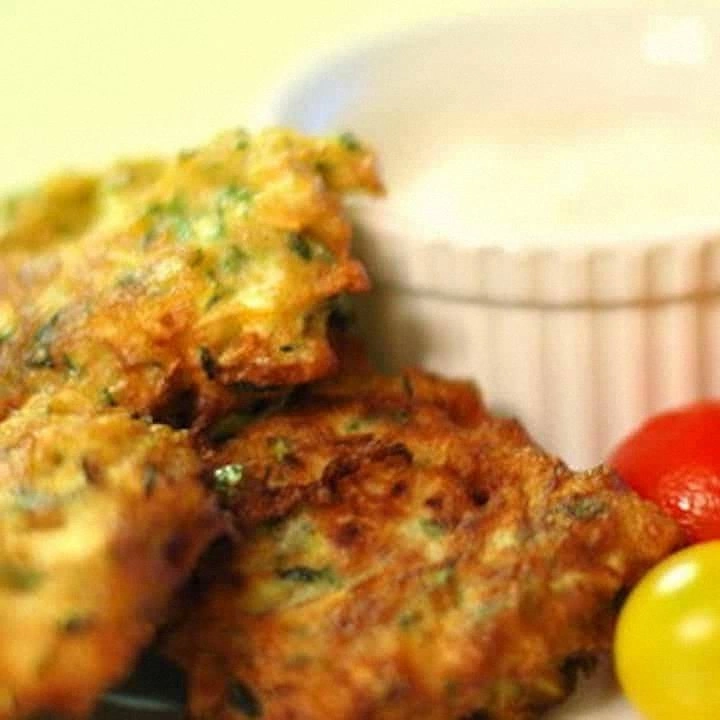
Let the fritters cook undisturbed for 3‑4 minutes. You’ll hear a steady sizzle, and the edges will start pulling away from the pan, turning golden brown. Flip them carefully with a thin spatula; the other side should brown in another 2‑3 minutes, achieving that coveted crisp‑on‑outside, tender‑inside contrast. That sizzle when it hits the pan? Absolute perfection.
While the fritters finish, whisk together the goat cheese, heavy cream, lemon juice, and a pinch of red pepper flakes in a small saucepan over low heat. Stir continuously until the cheese melts into a smooth, glossy sauce that coats the back of a spoon. If the sauce looks too thick, drizzle in a teaspoon of warm water; if too thin, let it simmer a minute longer.
Transfer the cooked fritters onto a paper‑towel‑lined plate to absorb excess oil, then arrange them on a serving platter. Drizzle the warm goat cheese sauce generously over the top, letting it pool into the crispy crevices. Finish with an extra sprinkle of fresh dill and a light drizzle of olive oil for shine.
Serve immediately while the fritters are still hot and the sauce is silky. Pair with a crisp white wine or a sparkling water with a twist of lemon, and watch your guests marvel at the flavor explosion. I dare you to try one bite and not go back for more — it’s practically a culinary dare.
That's it — you did it. But hold on, I've got a few more tricks that'll take this to another level...
Insider Tricks for Flawless Results
The Temperature Rule Nobody Follows
Most home cooks set the burner to “medium” and hope for the best, but the secret is to use a thermometer and keep the oil at a steady 350°F. Too hot and the fritters burn before the interior cooks; too cool and they soak up oil, becoming greasy. I once tried a “feel‑the‑heat” method and ended up with a pan full of soggy discs — lesson learned. Keep a small metal spoon in the oil; if it bubbles vigorously, you’re in the sweet spot.
Why Your Nose Knows Best
Don’t rely solely on timers; your nose is a more reliable guide. When the batter first hits the oil, you’ll catch a faint, nutty aroma as the flour toasts. As the edges crisp, a richer, caramelized scent fills the kitchen, signaling it’s time to flip. If you ever hear a faint hissing that turns into a whine, that’s a sign the oil is overheating — pull the pan off the heat for a moment.
The 5‑Minute Rest That Changes Everything
After mixing the batter, let it rest for five minutes before cooking. This brief pause lets the gluten relax and the flour fully hydrate, resulting in a lighter crumb. I tried skipping this step once for a “quick fix” and the fritters turned out dense and rubbery. Trust the rest; it’s a tiny time investment for a massive texture upgrade.
Oil Swap for Extra Crunch
If you want an extra‑crunchy exterior, finish the cooked fritters with a quick blast of high‑smoke‑point oil (like avocado oil) in the pan for just 30 seconds. The rapid heat flash creates a micro‑crust that shatters delightfully under the fork. Be careful not to over‑cook, or you’ll lose the tender interior.
Herb Timing Trick
Fresh herbs lose their bright flavor when exposed to heat for too long. Add the dill and mint at the very end of the batter mixing, and reserve a pinch for garnish right before serving. This ensures you get that garden‑fresh pop in every bite. I once tossed the herbs into the hot oil and ended up with a muted, wilted herb taste — never again.
Creative Twists and Variations
This recipe is a playground. Here are some of my favorite ways to switch things up:
Spicy Sriracha Drizzle
Swap the lemon‑goat cheese sauce for a blend of goat cheese, sriracha, and a dash of honey. The sweet‑heat combo adds a bold kick that pairs perfectly with the herbaceous fritters. Great for those who love a little fire.
Cheddar & Jalapeño Fusion
Replace the Parmesan with sharp cheddar and fold in finely diced jalapeños. The result is a southern‑inspired fritter with a smoky heat that makes the goat cheese sauce feel like a cool after‑thought.
Sweet Corn & Basil
Mix in a cup of fresh corn kernels and swap the dill for basil. The sweet corn adds pop, while basil brings a fragrant, Mediterranean twist. Serve with a drizzle of balsamic reduction for an elegant appetizer.
Vegan Delight
Use chickpea flour instead of all‑purpose flour, replace eggs with flax eggs, and swap goat cheese for a cashew‑based vegan cream sauce. The texture stays crisp, and the flavor remains rich — perfect for plant‑based guests.
Breakfast Boost
Add a pinch of smoked paprika to the batter and serve the fritters with a poached egg on top, drizzled with the goat cheese sauce. The runny yolk mingles with the sauce, creating a decadent brunch centerpiece.
Herb‑Infused Oil Dip
Instead of drizzling sauce, serve a side bowl of herb‑infused olive oil (mix olive oil, minced rosemary, and a splash of lemon juice). Dip each fritter for a lighter, oil‑forward experience that lets the zucchini shine.
Storing and Bringing It Back to Life
Fridge Storage
Place cooled fritters in an airtight container lined with paper towels to absorb moisture. They’ll keep fresh for up to three days. When ready to eat, reheat in a hot skillet for 2‑3 minutes per side; the crust will revive beautifully.
Freezer Friendly
Arrange the fritters on a parchment‑lined tray and freeze until solid, then transfer to a zip‑top bag. They’ll last up to two months. To reheat, bake directly from frozen at 375°F for 12‑15 minutes, flipping halfway through.
Best Reheating Method
For the ultimate crisp, avoid microwaves. Instead, preheat a skillet with a thin layer of oil, then warm each fritter for 1‑2 minutes per side. Add a tiny splash of water to the pan and cover briefly; the steam will soften the interior while the oil restores the crunch.