Picture this: a sweltering July afternoon, the kitchen lights flickering like a neon sign, and my phone buzzing with a friend’s dare—“I bet you can’t make a chicken dish that tastes like a tropical sunrise.” I stared at the chicken breast, the citrus juices, and the tiny bottle of soy sauce, and I thought, “Why not?” The moment was a culinary lightning strike, a recipe revelation that would make my taste buds dance and my friends beg for seconds.
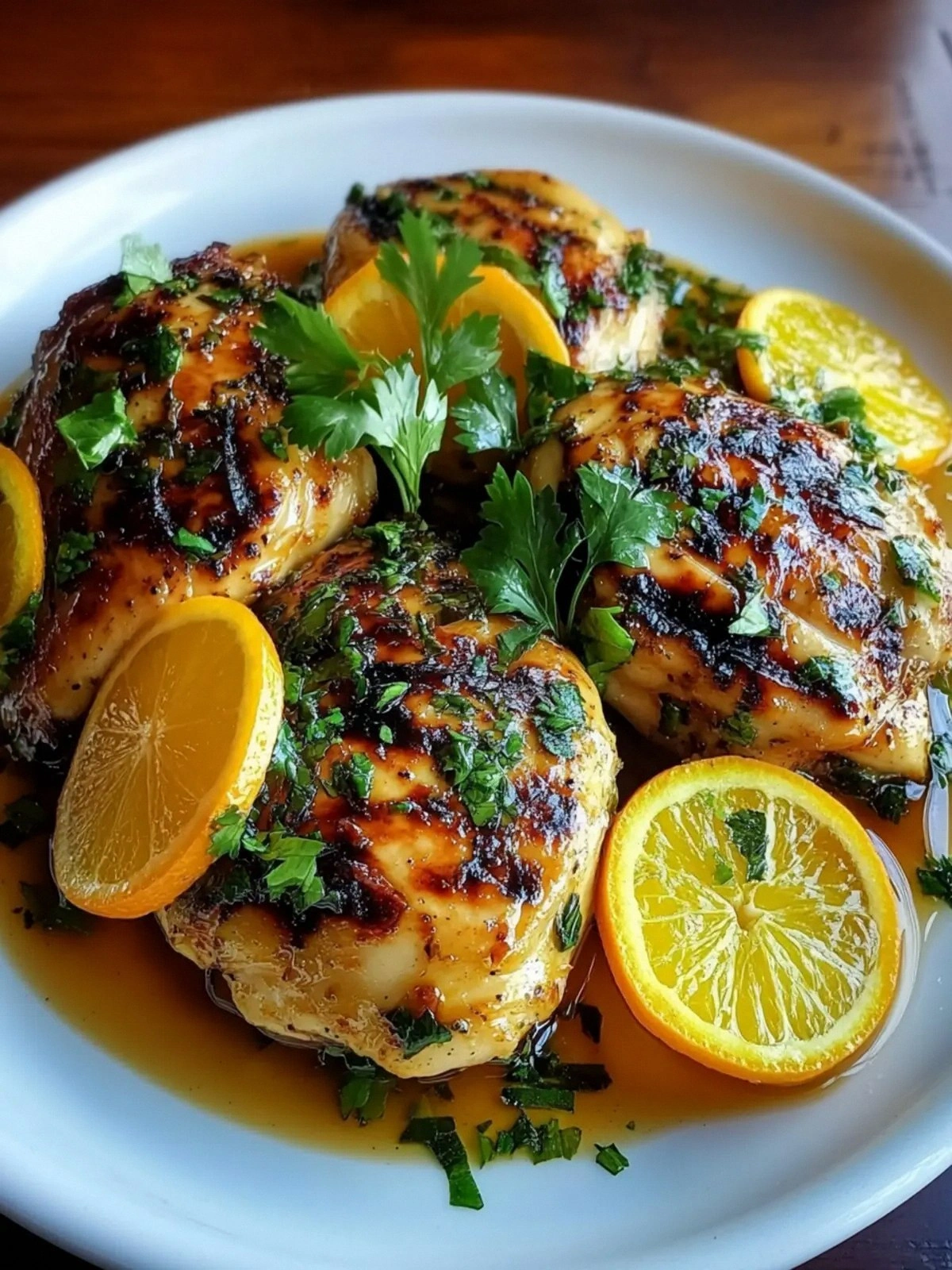
The first bite was a symphony of tangy lime, sweet orange, and a hint of honey that licked the back of my throat like a warm summer breeze. The chicken was tender, the juices glistening like dew on a leaf, and the aroma—an intoxicating blend of citrus zest and fragrant cumin—filled the room, making the air feel electric. The sound of the sizzling pan was a soft crackle, a gentle reminder that every great dish starts with a perfect sear.
What sets this version apart is the delicate balance of flavors that dance together without overpowering one another. It’s the kind of dish that doesn’t just fill a plate—it fills the soul. I dare you to taste this and not go back for seconds. The secret lies in the harmony of fresh citrus, the umami depth of soy sauce, and the subtle sweetness of honey, all wrapped around perfectly seasoned chicken.
Most recipes get this completely wrong, sticking to a single citrus or overloading on sugar. Here, we’re talking about a vibrant, zesty, tropical experience that feels like a vacation in every bite. Picture yourself pulling this out of the oven, the whole kitchen smelling incredible, and a plate of golden, caramelized chicken ready to be devoured. Let me walk you through every single step—by the end, you’ll wonder how you ever made it any other way.
What Makes This Version Stand Out
- Taste: The marriage of lime, orange, and honey creates a bright, sweet, and savory profile that lingers on the palate. It’s not just citrus; it’s citrus with a kick, a whisper of soy, and a hint of cumin.
- Texture: The chicken develops a caramelized crust that’s crisp on the outside yet juicy on the inside, thanks to a quick sear followed by a gentle simmer in the sauce.
- Freshness: Every ingredient is fresh—fresh lime juice, fresh orange juice, fresh cilantro—so the flavors feel alive and vibrant.
- Ingredient Quality: Using high‑quality soy sauce and real honey elevates the dish from ordinary to unforgettable.
- Simplicity: Only a handful of ingredients, all of which you can find in any grocery store, make this recipe approachable for beginners and seasoned cooks alike.
- Make‑ahead Potential: The sauce can be prepared a day ahead, letting the flavors meld, and the chicken can be stored in the fridge for up to three days.
- Versatility: It can be served over rice, quinoa, or even tossed with pasta for a quick weeknight meal.
Alright, let's break down exactly what goes into this masterpiece…
Inside the Ingredient List
The Flavor Base
The foundation of this dish is the citrus-soy blend. Fresh lime juice gives a sharp, acidic punch, while orange juice adds a mellow sweetness. Soy sauce brings umami depth and a slight saltiness that balances the bright citrus. Together, they create a sauce that coats the chicken like velvet, allowing each bite to burst with flavor.
The Texture Crew
Olive oil is the unsung hero that prevents the chicken from sticking and promotes a golden sear. Honey, on the other hand, adds a glossy finish and subtle caramel notes, turning the sauce into a silky glaze that clings to every surface of the meat. The combination of oil and honey ensures a moist interior and a crisp exterior.
The Unexpected Star
Ground cumin and coriander are the spice duo that adds a warm, earthy undertone. They might seem like a small addition, but they elevate the dish from simple to sophisticated. If you’re a spice enthusiast, you can increase the cumin slightly for a smoky edge.
The Final Flourish
Fresh cilantro is the final touch that brings freshness and a burst of herbal brightness. The zest of lime and orange provides a fragrant, aromatic layer that lingers on the tongue. Together, they finish the dish with a bright, clean finish that leaves you craving more.
Everything's prepped? Good. Let's get into the real action…
The Method — Step by Step
- Begin by cutting the chicken breasts into bite‑sized pieces, about 1½ inches each. Pat them dry with paper towels to ensure a good sear. This step is crucial; moisture on the surface will steam rather than brown, compromising texture.
- In a bowl, whisk together ¼ cup lime juice, ¼ cup orange juice, 2 tablespoons lemon juice, ¼ cup soy sauce, 2 tablespoons olive oil, and 2 tablespoons honey. The mixture should be a glossy, slightly viscous liquid. This is your citrus‑soy glaze that will become the star of the dish.
- Add 2 minced garlic cloves, 1 teaspoon cumin, 1 teaspoon coriander, 1 teaspoon salt, and ½ teaspoon black pepper to the bowl. Stir until the spices are evenly distributed. The aromatics will infuse the sauce, giving depth and complexity.
- Toss the chicken pieces in the glaze, ensuring each piece is coated. Let them marinate for at least 30 minutes; for best results, cover and refrigerate for 2 hours. The acidity will break down the proteins, making the chicken tender.
- Heat a large skillet over medium‑high heat. Add a splash of oil if the pan feels dry. Once hot, add the marinated chicken in a single layer, leaving space between pieces. Avoid overcrowding to ensure proper caramelization.
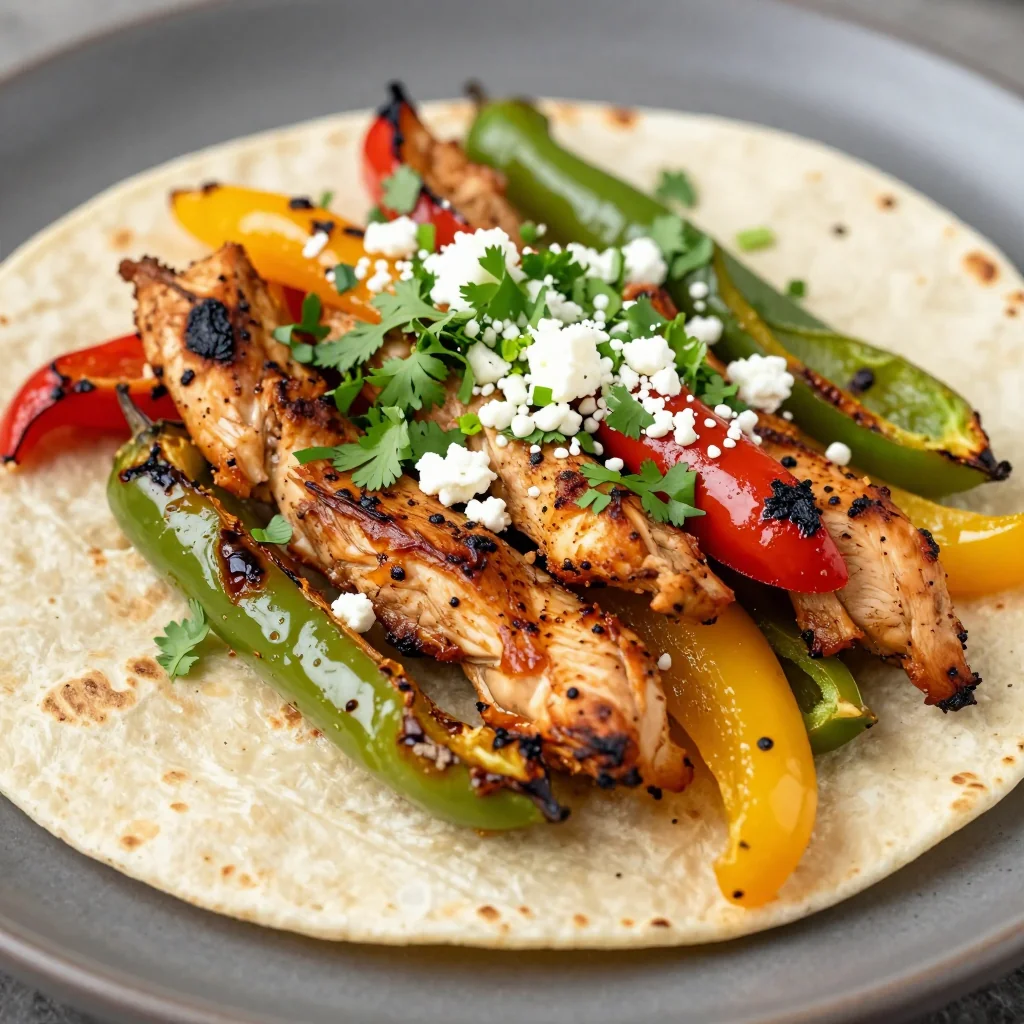
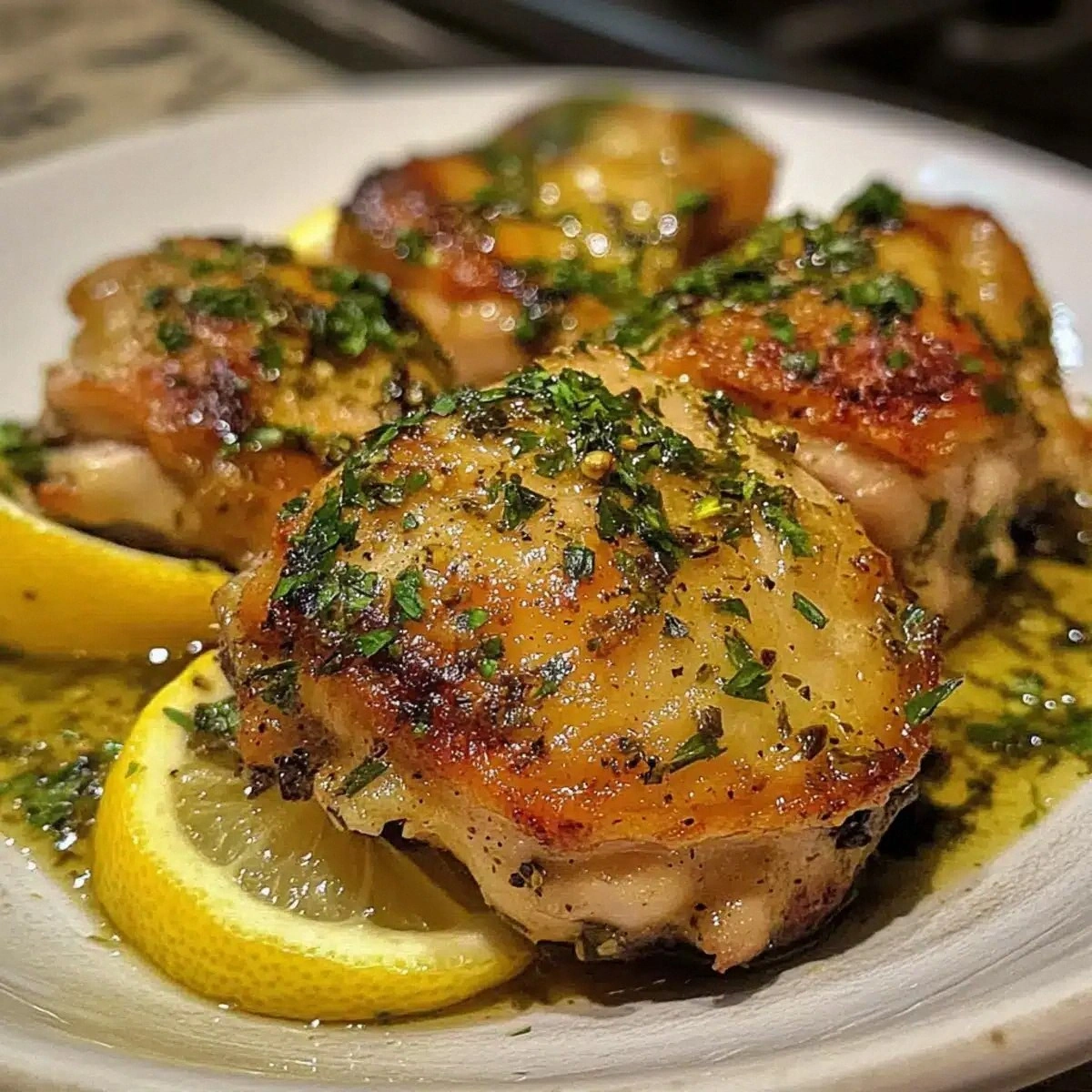
- Sear the chicken for 3–4 minutes on each side, or until a golden crust forms. The edges should pull away slightly, signaling that the meat is searing properly. This is the moment of truth—watch the color shift from pale to caramel.
- Reduce the heat to medium, pour the remaining glaze over the chicken, and stir gently to coat. Let the mixture simmer for 5–7 minutes, allowing the sauce to thicken into a glossy glaze that clings to each piece.
- Add 1 teaspoon lime zest, 1 teaspoon orange zest, and ½ cup chopped cilantro. Stir until the herbs are wilted and the zest releases its oils. The aroma will intensify, signaling that the dish is almost ready.
- Taste the sauce and adjust seasoning if necessary—add a pinch more salt or a dash of honey for extra sweetness. The final flavor should be bright, slightly sweet, and perfectly balanced.
- Serve hot over steamed rice or quinoa, garnished with extra cilantro and a wedge of lime. The dish should feel like a tropical breeze, with each bite delivering a burst of citrus and a tender, juicy center.
That's it — you did it. But hold on, I've got a few more tricks that'll take this to another level…
Insider Tricks for Flawless Results
The Temperature Rule Nobody Follows
Cooking at the right temperature is essential. Too high, and the chicken dries out; too low, and it never caramelizes. Use a thermometer to keep the pan at a steady medium‑high heat, and adjust as needed. I once burned a batch because I forgot to lower the heat after the initial sear—lesson learned!
Why Your Nose Knows Best
The aroma of the citrus glaze is a reliable indicator of progress. When the scent becomes sweeter and the glaze starts to bubble gently, it’s time to add the final zest and cilantro. Your nose is the best judge of when the dish is ready.
The 5‑Minute Rest That Changes Everything
After removing the chicken from the skillet, let it rest for five minutes. This allows the juices to redistribute, ensuring every bite remains moist. I once skipped this step, and the meat tasted dry—never again.
Use a Non‑Stick Skillet for Easy Cleanup
A good non‑stick pan reduces the need for excess oil and makes cleanup a breeze. If you’re using a cast‑iron skillet, preheat it well and use a small amount of oil to prevent sticking. The result is a perfectly seared surface without the hassle.
Keep the Zest Fresh
Zest is the secret to an aromatic finish. Grate the zest just before adding it to the dish to preserve its oils. If you grate it in advance, the zest can lose its bright flavor and become bitter.
Creative Twists and Variations
This recipe is a playground. Here are some of my favorite ways to switch things up:
Spicy Pineapple Kick
Add diced fresh pineapple and a pinch of cayenne pepper to the glaze for a sweet‑spicy tropical twist. This variation works great with coconut rice.
Herb‑Infused Chicken
Swap cilantro for fresh basil or mint. The herb will give the dish a different aromatic profile while still keeping the bright citrus notes.
Low‑Sodium Version
Use low‑sodium soy sauce and reduce the salt to ½ teaspoon. The sauce will still be flavorful, and you’ll keep the sodium level in check.
Vegetarian Twist
Replace chicken with firm tofu or tempeh. Marinate the protein for an extra 30 minutes to allow the flavors to penetrate.
Grilled Variation
Grill the marinated chicken on medium‑high heat for 3–4 minutes per side. The charred edges add a smoky dimension to the citrus glaze.
Gluten‑Free Option
Serve over quinoa or cauliflower rice to keep the dish gluten‑free. The grains provide a neutral backdrop that lets the sauce shine.
Storing and Bringing It Back to Life
Fridge Storage
Store leftovers in an airtight container for up to three days. The citrus flavor will mellow slightly, but the chicken remains juicy. Keep the sauce separate if you prefer a fresher taste.
Freezer Friendly
You can freeze the chicken in the sauce for up to two months. Thaw in the refrigerator overnight and reheat gently on the stovetop. The texture stays intact, and the flavors meld beautifully.
Best Reheating Method
Reheat the dish in a skillet over medium heat, adding a splash of water or chicken broth to keep the sauce from drying out. A tiny splash of water before reheating steams the chicken back to perfection.