I remember the night I almost ruined my entire kitchen. I was trying to impress a friend with something exotic, and I thought, “Why not combine wild blueberries, lavender, and coconut?” The plan sounded sweet, but the execution almost turned into a sticky, lavender‑laden disaster. I had the blueberries, the dried lavender buds, and a carton of coconut milk that had been sitting in the fridge for a while. I whisked them together, added a splash of honey, and set the pot on the stove. The aroma that filled the room was like a summer afternoon in a botanical garden, but the texture was nothing short of a soggy, lavender‑flavored pudding. It was a lesson in how small details can make or break a recipe.
Fast forward to today, and I’ve perfected a version that’s not only a treat for the senses but also a piece of culinary art. This isn’t just another dessert; it’s a celebration of the wild, the aromatic, and the tropical. I’ve balanced the tartness of blueberries, the floral whisper of lavender, and the creamy sweetness of coconut into a mousse that melts in your mouth like a cloud. The result is a silky, airy dessert that looks as good as it tastes, with a subtle floral finish that lingers on the palate. I dare you to taste this and not go back for seconds. Trust me, the first bite will leave you craving the second.
What makes this version stand out is not just the combination of flavors but the technique that brings them together. I’ve used a natural thickening agent, agar‑agar, to give the mousse a light, yet firm, structure that holds its shape without the heaviness of gelatin. The lavender is infused gently into the coconut milk, allowing the floral notes to permeate without overwhelming the berries. The blueberries are lightly macerated with a touch of citrus zest, releasing their juice and creating a vibrant, glossy coating on the mousse. The result is a dessert that is both visually stunning and sensorially delightful.
And there’s a secret twist that sets this apart from every other recipe you’ll find online. I’ve incorporated toasted coconut flakes as a crunchy garnish that adds texture and a nutty depth that balances the floral sweetness. The toasted flakes also provide a subtle caramelized flavor that complements the fresh blueberries. Picture yourself pulling this out of the fridge, the whole kitchen smelling incredible, and watching the golden flakes cascade over the creamy mousse. This is hands down the best version you'll ever make at home. Let me walk you through every single step — by the end, you'll wonder how you ever made it any other way.
What Makes This Version Stand Out
- Flavor Harmony: The combination of tart blueberries, floral lavender, and sweet coconut creates a balanced profile that excites the palate without overwhelming it. The subtle citrus zest lifts the flavors, providing a bright finish.
- Texture: The use of agar‑agar gives the mousse a light, airy feel that holds its shape, while the toasted coconut flakes add a satisfying crunch that contrasts beautifully.
- Visual Appeal: The vibrant blue of the berries against the creamy white base, topped with golden coconut flakes, makes for a dessert that is as pleasing to the eye as it is to the taste buds.
- Ease of Preparation: Despite its gourmet presentation, the recipe requires minimal equipment and can be completed in under an hour, making it perfect for both beginners and seasoned cooks.
- Health Conscious: By using natural sweeteners like honey and avoiding refined sugars, this mousse offers a healthier alternative to conventional desserts while still delivering indulgent flavor.
- Make‑Ahead Potential: The mousse can be prepared up to 24 hours in advance, allowing you to focus on other aspects of your gathering while the flavors meld beautifully.
- Ingredient Quality: Fresh, high‑quality blueberries and organic coconut milk are key to achieving the best flavor profile; any compromise in these will be felt.
Inside the Ingredient List
The Flavor Base
The foundation of this mousse is the infusion of coconut milk with culinary lavender. By gently heating the milk and adding the dried lavender buds, you allow the floral oils to permeate the liquid, creating a fragrant base that carries through the dessert. If you skip this step, the mousse will lack the delicate floral undertone that sets it apart from other coconut desserts. For an even richer flavor, use full‑fat coconut milk; the creaminess will enhance the overall mouthfeel. A small tip: let the infused milk cool to room temperature before proceeding to avoid scorching the lavender.
The Texture Crew
Agar‑agar is the secret to achieving that light, firm structure without the heaviness of gelatin. Dissolve the agar in a small amount of water, bring it to a gentle boil, then stir it into the cooled lavender‑infused coconut milk. This thickening agent sets as it cools, giving the mousse a silky texture that holds its shape yet melts effortlessly on the tongue. If you don’t have agar, you can use gelatin, but you’ll need to adjust the temperature and handling to maintain the mousse’s airy quality. Remember, the key is to keep the mixture at a gentle simmer; boiling it too hard can break down the structure.
The Unexpected Star
Wild blueberries are more than just a garnish; they are the star that provides a burst of tartness and a pop of color. Macerate them with a pinch of sea salt and a splash of lemon juice to coax out their natural juices and enhance their brightness. If you prefer a sweeter profile, a touch of honey can balance the tartness. The blueberries also add a subtle sweetness that complements the floral and coconut notes. Skip the maceration step, and you’ll lose that glossy, jewel‑like sheen that makes the mousse visually striking.
The Final Flourish
To finish, toasted coconut flakes bring a caramelized, nutty crunch that contrasts the mousse’s smoothness. Toast the flakes in a dry skillet over medium heat until golden, then let them cool before sprinkling them on top. The toasted flakes also add a subtle depth of flavor, balancing the sweetness of the honey and the floral brightness of the lavender. If you’re looking for a vegan alternative, you can replace the honey with maple syrup, though the flavor profile will shift slightly. The final touch is a dusting of finely ground lavender on top, which gives the dessert a fragrant aroma as soon as it’s plated.
Everything's prepped? Good. Let's get into the real action...
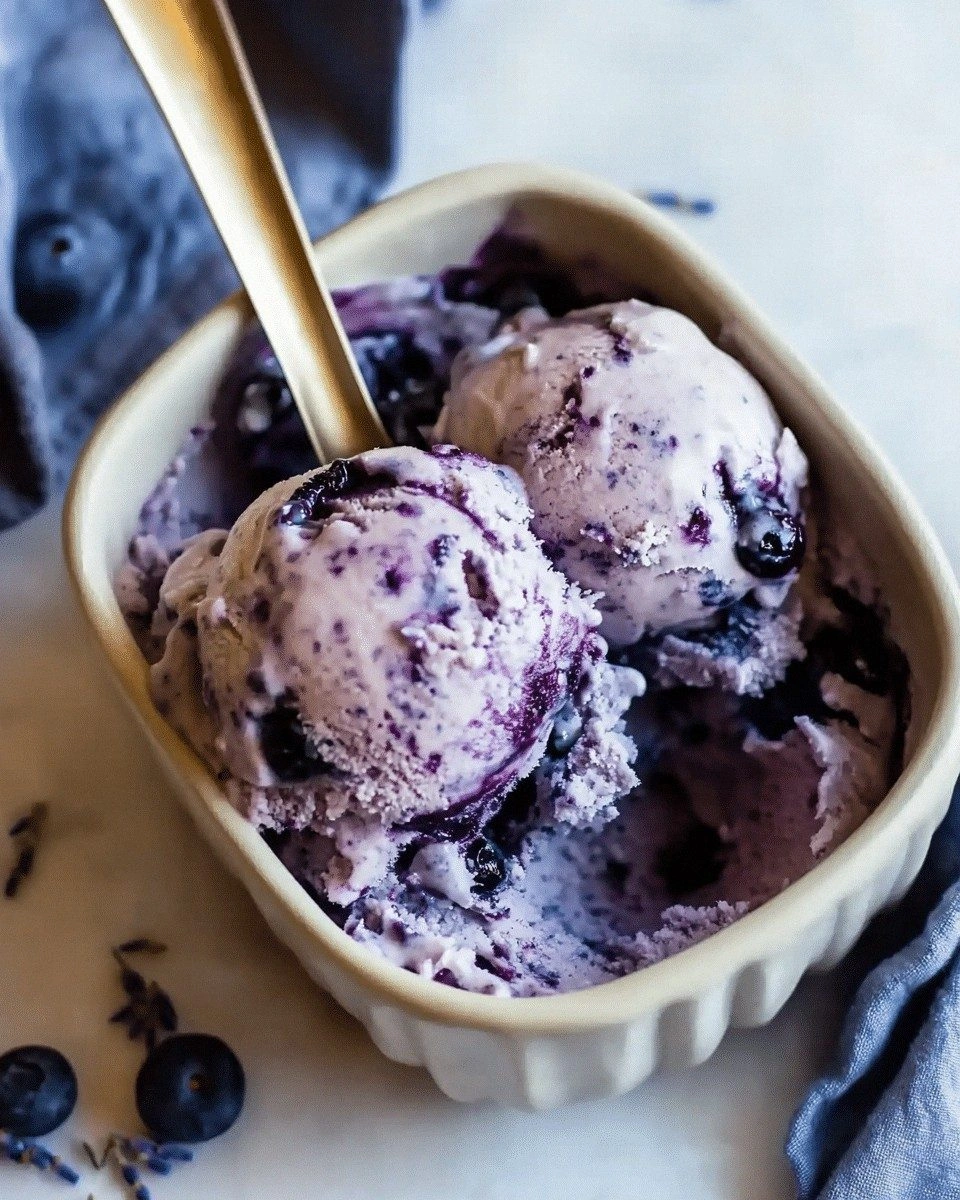
The Method — Step by Step
- Begin by infusing the coconut milk with lavender. In a small saucepan, combine 1 cup of coconut milk with 2 tablespoons of dried culinary lavender. Heat gently over low heat for 10 minutes, allowing the lavender to steep without boiling. Remove from heat and let cool to room temperature. Strain the liquid through a fine mesh sieve to remove the buds, ensuring a smooth, aromatic base.
- While the milk cools, prepare the agar mixture. In a separate bowl, whisk 2 tablespoons of agar‑agar powder with 1 cup of water until fully dissolved. Bring the mixture to a gentle boil, stirring constantly until the agar fully dissolves (about 3 minutes). Reduce heat to low and let it simmer for an additional 2 minutes to activate the thickening properties.
- Once the coconut milk has cooled, whisk in the hot agar solution. Stir vigorously for 30 seconds to ensure the agar distributes evenly throughout the milk. This step is crucial; any clumps will result in a lumpy mousse. Let the mixture sit for 5 minutes so the agar can set slightly before adding the remaining ingredients.
- Add the sweetener and flavor boosters. Stir in 1/2 cup honey (or agave syrup) until fully dissolved. Then add 1 teaspoon vanilla extract, 1 teaspoon lemon zest, and 1/2 teaspoon sea salt. These ingredients enhance the floral and tropical notes, creating a balanced flavor profile. Taste the mixture; it should have a subtle sweetness without being cloying.
- Macerate the blueberries. In a small bowl, combine 2 cups of fresh wild blueberries with a pinch of sea salt and 1 tablespoon fresh lemon juice. Toss gently until the berries are coated and their juices are released. Let them sit for 10 minutes; the juice will intensify the flavor and give the mousse a glossy coating. This step also adds natural color to the dessert.
- Fold the blueberries into the coconut‑agar mixture. Gently fold the macerated berries into the base, ensuring even distribution without crushing them. The berries should remain intact, providing bursts of flavor in each spoonful. This is the moment of truth: the mousse should have a light, airy texture with visible specks of blueberries.
- Chill the mousse. Transfer the mixture into serving glasses or a shallow dish. Cover with plastic wrap and refrigerate for at least 2 hours, or until firm. The agar will set, giving the mousse a stable yet melt‑in‑your‑mouth consistency. While it chills, you can prepare the toasted coconut flakes.
- Toast the coconut flakes. In a dry skillet over medium heat, toast 1/4 cup of coconut flakes until golden brown, stirring frequently to avoid burning. This should take about 3-4 minutes. Remove from heat and let cool completely. The toasted flakes will add a caramelized crunch that balances the mousse’s creamy texture.
- Assemble the final dessert. Once the mousse has set, sprinkle the toasted coconut flakes over the top. For an extra touch of elegance, dust a light pinch of dried lavender buds on top. Serve immediately, allowing the mousse to soften slightly in the warm hands, revealing its silky interior. The aroma of lavender and the burst of blueberry will greet you as you take the first bite.
That's it — you did it. But hold on, I've got a few more tricks that'll take this to another level...
Insider Tricks for Flawless Results
The Temperature Rule Nobody Follows
Temperature control is everything when working with agar‑agar. The gel only sets properly if the mixture is cooled to 80°F (27°C) before it starts to thicken. If you let it cool too slowly, the agar may form a rubbery texture. To test, drop a small amount onto a cold plate; it should set within 10 seconds. A friend once left the mixture on the counter for an hour and ended up with a jelly that was too firm to scoop. Keeping a digital thermometer handy can save you from that mistake.
Why Your Nose Knows Best
Your sense of smell is a powerful tool for judging freshness. Before adding the lavender, sniff the infused coconut milk. If the aroma feels flat or has a slightly musty undertone, the milk may have gone stale. The same goes for the blueberries; a bright, sweet scent is a sign of optimal ripeness. A bad berry can ruin the entire flavor profile, so trust your nose to pick the best fruit.
The 5-Minute Rest That Changes Everything
After you fold in the blueberries, give the mixture a brief 5-minute rest before chilling. This allows the juices to seep into the mousse, creating a more cohesive texture. A quick stir during this period can prevent the berries from sinking to the bottom. I once skipped this step, and the mousse ended up with a layer of blueberry juice on top, which looked unappetizing. The rest period also lets the flavors meld, giving you a more balanced bite.
Keep the Mousse Light
When folding the berries, do so gently with a spatula. Vigorous mixing can break the berries and release too much juice, leading to a runnier mousse. Instead, use a gentle folding motion, turning the mixture over and over. This technique preserves the integrity of the berries and maintains the mousse’s airy structure.
Don’t Forget the Salt
A pinch of sea salt is essential for balancing the sweetness. Salt enhances the natural flavors and prevents the honey from dominating. In my experience, a tiny pinch can make the difference between a bland dessert and a flavor explosion. If you’re watching sodium intake, you can reduce the salt to a quarter of a teaspoon, but don’t skip it entirely.
Serve at the Right Temperature
Serve the mousse at a slightly chilled temperature for the best mouthfeel. If it’s too cold, it will be hard to spoon; if it’s too warm, it will be too runny. The ideal serving temperature is around 45°F (7°C). Let the mousse sit at room temperature for 5 minutes before serving to reach this sweet spot.
Creative Twists and Variations
This recipe is a playground. Here are some of my favorite ways to switch things up:
Maple‑Infused Mousse
Swap honey for maple syrup to give the mousse a deeper, caramelized sweetness. The maple’s earthy undertones pair wonderfully with the floral lavender, creating a richer flavor profile. This version is perfect for autumn gatherings when you want a dessert that feels cozy and indulgent.
Spiced Citrus Twist
Add a pinch of cayenne pepper or a splash of orange zest to the macerated blueberries. The heat and citrus brightness elevate the dessert, making it ideal for a summer soirée. The spicy kick contrasts the sweet, floral notes and keeps the palate engaged.
Almond Crunch Variation
Replace the toasted coconut flakes with toasted sliced almonds for a nutty crunch. The almonds add a subtle buttery flavor that complements the coconut base. This variation works well for those who prefer a less tropical, more nutty dessert.
Berry‑Lemon Swirl
Create a visual swirl by folding a separate lemon‑infused yogurt into the mousse. The lemon swirl adds a tangy contrast to the sweet blueberries and provides a striking color contrast. This look is especially striking when served in clear glass cups.
Chocolate Drizzle Finish
Drizzle melted dark chocolate over the top before serving. The bittersweet chocolate pairs beautifully with the sweet mousse, creating a decadent finish. The chocolate also adds a glossy sheen that makes the dessert look even more irresistible.
Vegan Adaptation
Use a plant‑based protein powder in place of the agar‑agar for a vegan-friendly version. This alternative provides a slightly different texture but still sets the mousse firmly. Pair it with a vegan honey substitute, such as agave syrup, for a completely plant‑based dessert.
Storing and Bringing It Back to Life
Fridge Storage
Store the mousse in an airtight container in the refrigerator for up to 3 days. The agar maintains its structure, keeping the mousse firm yet creamy. Before serving, let it sit at room temperature for 5 minutes to soften slightly. If the mousse feels too firm, a quick splash of coconut milk can restore its silky texture.
Freezer Friendly
The mousse can also be frozen for up to 2 weeks. Freeze in individual portions for easy grab‑and‑go servings. Thaw in the refrigerator overnight, then give it a gentle stir before serving. The texture may be slightly denser after freezing, but the flavor remains intact.
Best Reheating Method
To reheat the mousse, gently warm it in a double boiler for 5 minutes, stirring occasionally. Add a splash of coconut milk to restore moisture and prevent drying out. Avoid microwaving, as it can cause the mousse to become rubbery. The result is a warm, creamy dessert that tastes as fresh as when it was first made.