Sunday Slow Cooker Beef Ragu R
I remember the night my kitchen turned into a battlefield—me, a pot of sauce, and a stubborn piece of beef that refused to soften. The scent of onions frying in olive oil wafted through the air, and I realized that this could be the start of a culinary legend. The moment the beef finally surrendered to the heat, my taste buds erupted in a chorus of savory delight. That instant, I vowed to capture this magic in a recipe that would make every Sunday feel like a feast. The result? A slow‑cooked beef ragu that’s so comforting it practically hugs you back.
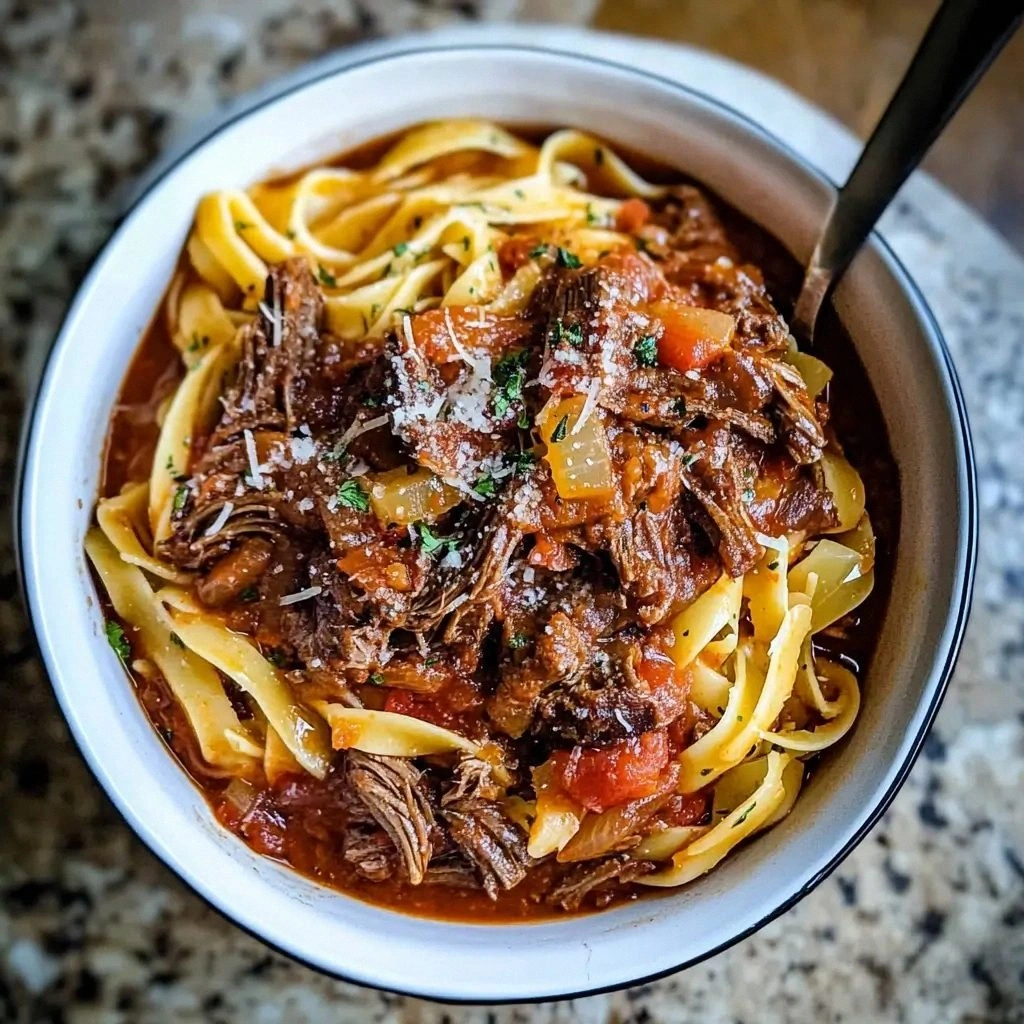
Picture the kitchen: a gentle hiss from the slow cooker, a swirl of tomato sauce, and the deep, earthy aroma of beef simmering with herbs. The sound of a spoon clinking against the pot is the soundtrack to a meal that’s both simple and sophisticated. The visual is a glossy, red sauce that clings to each grain of pasta like velvet. The first bite delivers a burst of umami, followed by a subtle sweetness from the tomatoes and a peppery kick from the garlic. The finish is a lingering warmth that makes you want to stay in the kitchen a little longer.
What sets this version apart is that it’s built around the slow cooker’s ability to tenderize meat without sacrificing flavor. By browning the beef first, you lock in juices and create a deeper, caramelized base that the slow cooker then amplifies. The use of a splash of red wine adds acidity and depth, cutting through the richness of the beef. A pinch of crushed red pepper introduces a gentle heat that dances on the tongue. The final flourish of fresh basil and grated Parmesan transforms the sauce into a luxurious, restaurant‑quality dish that feels both humble and indulgent.
You might think the secret lies in the ingredients, but the trick is in the timing. I’ll reveal a little hack that turns a standard ragu into a showstopper: finish the sauce with a splash of cream just before serving. This adds silky texture without making it heavy, and it brings the flavors together into a cohesive, mouth‑watering harmony. Trust me, you’ll be tempted to taste the sauce right away—dare you resist the temptation? Let me walk you through every single step—by the end, you’ll wonder how you ever made it any other way.
I’m not just talking about any ragu; this is the kind of sauce that turns a simple pasta night into a celebration. The beef is so tender it practically melts in your mouth, while the tomato base remains robust enough to stand up to hearty noodles. The combination of aromatics—onions, carrots, celery—creates a flavor foundation that’s both comforting and sophisticated. And the best part? It’s so easy you can make it on a Sunday afternoon, letting the slow cooker do the heavy lifting while you relax. The end result is a dish that’s perfect for family dinners, date nights, or a quiet night in.
I’ll also share a surprising ingredient that most people overlook: a tablespoon of tomato paste. This simple addition thickens the sauce, adds depth, and balances the acidity of the crushed tomatoes. It’s a small change that has a huge impact, turning a good sauce into an unforgettable one. And if you’re feeling adventurous, swap the red wine for a splash of balsamic vinegar for a tangy twist. The possibilities are endless, and the flavor payoff is always worth it.
Now that you’re hooked, let’s dive into what makes this recipe truly special. I’ll break down the key elements that elevate it from ordinary to extraordinary. This isn’t just a recipe; it’s a culinary experience that will become a staple in your kitchen. Ready? Let’s get cooking.
What Makes This Version Stand Out
- Flavor Depth: The initial searing of beef creates a caramelized crust that adds a rich, nutty flavor to the sauce, far beyond what simmering alone can achieve.
- Texture Perfection: Slow cooking at low heat allows connective tissue to break down into gelatin, giving the sauce a silky, almost velvety consistency that clings to pasta.
- Ingredient Quality: Using fresh, high‑quality tomatoes and real beef broth ensures the sauce has a natural brightness that canned substitutes can’t match.
- Simplicity: With just a handful of pantry staples and a slow cooker, you can create a restaurant‑style ragu in under an hour.
- Make‑Ahead Friendly: This ragu can be made a day in advance; the flavors deepen overnight, making it even more delicious.
- Versatility: Pair it with spaghetti, rigatoni, or even baked ziti—this sauce adapts to any pasta shape with ease.
- Crowd‑Pleaser: The hearty, comforting taste of this ragu makes it a guaranteed hit at family gatherings or dinner parties.
- Time‑Saving: While the beef cooks slowly, you can prep side dishes, set the table, or relax—no constant attention required.
Inside the Ingredient List
The Flavor Base
The foundation of any great sauce starts with a medley of aromatics. Diced onions, carrots, and celery, collectively known as the soffritto, create a sweet, savory base when sautéed. This trio not only adds depth but also balances the acidity of the tomatoes. If you’re short on time, a pre‑sliced mix from the grocery store works well, but fresh is always better. The key is to let them soften and develop a golden hue before moving on.
Onions are the star of this trio, releasing sugars that caramelize during browning. Carrots add natural sweetness and a hint of earthiness, while celery brings a subtle bitterness that cuts through richness. Together, they form a flavor foundation that is both comforting and sophisticated. Think of them as the base layer of a well‑crafted symphony—each ingredient contributes its own unique note.
When sautéing, keep the heat moderate to prevent burning. A quick sear on each side gives the vegetables a caramelized edge, which adds complexity to the sauce. Stir frequently to ensure even cooking, and let the mixture simmer for a few minutes after adding the garlic. The garlic’s aroma will mingle with the soffritto, creating a fragrant backdrop for the beef.
If you’re looking for a twist, try adding a pinch of smoked paprika to the soffritto. This subtle smoky flavor will give the sauce a deeper, more nuanced profile. Another option is to replace the carrots with a small amount of sweet potato for a different sweetness and texture. The possibilities are endless, and each variation will bring a new dimension to your ragu.
Remember, the quality of your aromatics sets the stage for the entire dish. Fresh, organic produce will give you a cleaner, brighter flavor that shines through the slow cooker’s gentle heat. If you can’t find fresh, use a good quality frozen mix; it’s a reliable backup that still delivers excellent results.
The Texture Crew
The beef is the star of the show, and how you treat it determines the sauce’s ultimate texture. I use 2 pounds of chuck steak cut into 1‑inch cubes. This cut has enough marbling to stay moist during the long cooking process. Before slow cooking, I brown the beef in batches, which adds a caramelized flavor and helps lock in juices.
Browning the meat is crucial; it creates a Maillard reaction that gives the sauce a richer taste. Don’t crowd the pan—cook in small batches to avoid steaming the meat. If you’re short on time, you can skip this step, but you’ll miss out on that depth of flavor that makes this ragu stand out.
Once the beef is browned, I add a splash of red wine to deglaze the pan. The wine lifts the browned bits, known as fond, and incorporates them into the sauce. This step adds acidity, balancing the richness of the beef and the tomato base. If you prefer a non‑alcoholic version, replace the wine with an equal amount of beef broth.
The beef, once browned, is transferred to the slow cooker along with the soffritto, tomatoes, broth, and herbs. The slow cooker’s gentle heat breaks down the connective tissue into gelatin, giving the sauce a silky, almost velvety texture. This is what makes the sauce cling to the pasta like a luxurious blanket.
If you’re experimenting with different meats, consider using a mix of beef and pork for added depth. Ground beef can also work, but the cubes give the dish a hearty, rustic feel that’s hard to replicate with minced meat.
The Unexpected Star
One ingredient that often gets overlooked is tomato paste. A tablespoon of this concentrated tomato goodness thickens the sauce, adds richness, and balances the acidity of the crushed tomatoes. It also gives the sauce a deeper color, making it visually appealing.
I add the tomato paste right after sautéing the aromatics, allowing it to caramelize slightly before adding the liquid. This step is simple but transformative, turning a good sauce into a great one. If you’re sensitive to acidity, you can add a pinch of sugar to counterbalance the tomatoes.
Another subtle but powerful addition is a bay leaf and a teaspoon each of dried oregano and basil. These herbs infuse the sauce with warmth and depth. They’re the silent heroes that bring cohesion to the dish, ensuring every bite is balanced.
You can also experiment with fresh herbs. Adding a handful of fresh basil at the end of cooking brightens the sauce and adds a fresh, herbal note that contrasts the slow‑cooked richness. Fresh parsley or thyme also work beautifully for a different flavor profile.
If you’re looking for a modern twist, try adding a splash of balsamic vinegar at the end. This adds a sweet, tangy finish that pairs wonderfully with the beef’s savory notes. The key is to add it sparingly; a little goes a long way.
The Final Flourish
The finishing touches elevate the sauce from good to unforgettable. A handful of fresh basil leaves, torn or chopped, add a burst of color and freshness. Grated Parmesan cheese, about half a cup, gives the sauce a creamy, nutty undertone that complements the beef.
A drizzle of good olive oil just before serving adds a silky sheen and a subtle fruity note that enhances the overall flavor. Salt and pepper are added to taste, but the key is to season gradually, tasting as you go to avoid over‑salting.
If you’re serving the ragu over pasta, cook the pasta al dente so it can absorb the sauce without becoming mushy. The pasta should be tossed in the sauce just before serving to allow it to soak up the flavors. A final sprinkle of fresh herbs and a grating of Parmesan will finish the dish with a touch of elegance.
The sauce can also be served over polenta, mashed potatoes, or even roasted vegetables for a hearty, comforting meal. Each alternative offers a different texture and flavor experience, showcasing the ragu’s versatility. Whether you’re a pasta lover or a creative cook, this sauce adapts to your preferences.
Everything’s prepped? Good. Let’s get into the real action—where the slow cooker does its magic and the flavors meld together into a symphony of taste.
The Method — Step by Step
- First, heat a large skillet over medium‑high heat and add one tablespoon of olive oil. Once the oil shimmers, add the diced onions, carrots, and celery. Sauté until the vegetables are translucent and just beginning to brown, about 5 minutes. This step builds the aromatic base that will carry the flavor of the beef through the slow cooker. Keep an eye on the vegetables to prevent them from burning; a quick stir keeps them from sticking.
- Add four cloves of minced garlic to the skillet and cook for an additional minute, letting the scent fill the kitchen. The garlic should be fragrant but not browned, as bitterness will overpower the sauce. If you’re a fan of a slightly smoky flavor, add a pinch of smoked paprika now. This subtle touch will give the ragu an extra layer of complexity.
- Stir in one tablespoon of tomato paste and let it caramelize for a minute or two. The paste should darken slightly, indicating it’s ready to deepen the sauce’s color and flavor. This is the moment where the sauce starts to thicken, and the aroma becomes richer. The caramelized paste also helps to bind the meat and vegetables together during the slow cooking process.
- Transfer the skillet contents to a slow cooker. Add two pounds of cubed chuck steak, ensuring the meat is evenly distributed. If you’re in a hurry, you can skip browning the beef, but the caramelized crust adds depth that’s worth the extra effort. The slow cooker’s low heat will gently break down the meat, creating a tender, melt‑in‑your‑mouth texture.
- Pour in one cup of red wine to deglaze the pan, scraping up any browned bits. The wine adds acidity and depth, balancing the richness of the beef. If you prefer a non‑alcoholic version, substitute with an equal amount of beef broth. The wine also helps to lift the fond from the skillet into the slow cooker, ensuring no flavor is lost.
- Add two cups of beef broth, one can of crushed tomatoes (28 oz), one bay leaf, and a teaspoon each of dried oregano and dried basil. Stir gently to combine all the flavors. The broth provides the liquid needed for the slow cooking process, while the tomatoes form the sauce’s base. The bay leaf and herbs infuse the mixture with aromatic warmth.
- Cover the slow cooker and set it to low for 6-7 hours or high for 3-4 hours. The goal is to let the beef become fall‑apart tender while the flavors meld together. Check the sauce after the first hour; it should be thickened and fragrant. If it looks too thick, add a splash of water or broth to reach your desired consistency.
- Just before serving, remove the bay leaf and stir in a half cup of grated Parmesan cheese. The cheese adds a creamy, nutty note that complements the beef’s savory profile. Taste the sauce and adjust salt and pepper as needed. If you’re feeling adventurous, finish the sauce with a splash of heavy cream to create a silky texture.
- Cook your pasta of choice until al dente, then reserve a cup of pasta water. Drain the pasta and toss it with the ragu, adding pasta water as needed to loosen the sauce. The pasta should be coated evenly, soaking up the rich flavors. Serve immediately, garnished with fresh basil and an extra sprinkle of Parmesan if desired.
- If you’re planning to serve leftovers, store the sauce in an airtight container in the refrigerator for up to 4 days. Reheat gently on the stove, adding a splash of water or broth to loosen the sauce. The flavor profile remains robust, and the beef stays tender. Serve over freshly cooked pasta for the best experience.
That's it— you did it. But hold on, I've got a few more tricks that'll take this to another level. These insider tips are what separate a good ragu from a legendary one. Let’s dive into the details.
Insider Tricks for Flawless Results
The Temperature Rule Nobody Follows
Many cooks assume that the longer the slow cooker runs, the better the outcome. In reality, maintaining a consistent low temperature of 200°F is key to breaking down the connective tissue without drying out the meat. If the temperature fluctuates too high, the beef can become tough. Use a thermometer to check the internal temperature; 190–200°F is ideal for a slow cooker. This small adjustment can mean the difference between a dry, rubbery dish and a tender, luscious ragu.
Why Your Nose Knows Best
Trust your nose when the sauce starts to thicken. A rich, tomato‑heavy aroma indicates that the flavors are concentrating. If you notice a faint, bland scent, it’s a sign that more time is needed. The smell is your best guide; it tells you when the sauce has reached its full potential. In the end, a well‑aromatic sauce will always taste better.
The 5‑Minute Rest That Changes Everything
Once the slow cooker finishes, let the sauce rest for five minutes before serving. This allows the flavors to settle and the sauce to thicken slightly. It also gives the beef a chance to reabsorb some of the juices, ensuring each bite is moist. Skipping this step might leave your sauce a bit watery and the beef slightly dry. The rest is a simple, free step that pays off big time.
Keep It Fresh With Fresh Herbs
Add fresh herbs at the very end of cooking to preserve their bright, vibrant flavors. Dried herbs lose their potency over time, while fresh basil, oregano, or thyme add a burst of color and freshness. If you’re using fresh basil, tear the leaves to release their essential oils. This technique ensures the sauce remains lively and aromatic.
Use a Splurge Ingredient for Extra Luxury
Consider adding a tablespoon of truffle oil or a handful of shaved Parmesan for an indulgent twist. These luxurious additions elevate the sauce from comforting to decadent. They’re perfect for special occasions or when you want to impress a guest. Just remember that a little goes a long way; you don’t need a lot to feel the difference.
Creative Twists and Variations
This recipe is a playground. Here are some of my favorite ways to switch things up:
Spicy Inferno Ragu
Add two crushed red pepper flakes during the sautéing step for a fiery kick. The heat pairs beautifully with the rich beef and tomato base, creating a dish that’s both comforting and exciting. This version is perfect for those who love a bit of heat in their meals. Serve it over a bed of creamy polenta for a balanced flavor profile.
Herb‑Infused Ragu
Swap dried oregano and basil for fresh rosemary and thyme. The fresh herbs lend a bright, earthy flavor that complements the beef’s depth. This variation is ideal for spring and summer when fresh herbs are at their peak. It also gives the sauce a more vibrant color.
Vegetarian Ragu
Replace the beef with hearty mushrooms, lentils, or a mix of diced root vegetables. Use vegetable broth instead of beef broth to keep it plant‑based. The result is a rich, umami‑laden sauce that satisfies both vegetarians and meat‑eaters alike. Pair it with your favorite pasta or a side of sautéed greens.
Cheesy Baked Ragu
Transfer the sauce to a baking dish, top with shredded mozzarella and grated Parmesan, and bake until bubbly. The melted cheese adds a gooey, comforting layer that turns the dish into a hearty casserole. This version is great for a cozy family dinner and can be made ahead for a quick week‑night meal.
Ragu with a Twist of Citrus
Add a splash of lemon juice or a few zest curls at the end of cooking. The citrus brightens the sauce, cutting through the richness and adding a fresh, zesty note. This variation is perfect for summer evenings or when you want to lighten the dish. It pairs wonderfully with grilled chicken or a simple green salad.
Storing and Bringing It Back to Life
Fridge Storage
Store leftovers in an airtight container in the refrigerator for up to 4 days. The sauce will keep its flavor and texture, and the beef will stay tender. When reheating, add a splash of water or broth to loosen the sauce slightly. This prevents it from drying out and keeps the sauce silky.
Freezer Friendly
The ragu freezes well—place it in a freezer‑safe container or a heavy‑duty freezer bag. It can stay in the freezer for up to 3 months. Thaw overnight in the refrigerator before reheating. The flavors remain robust, and the beef stays moist.
Best Reheating Method
Reheat the sauce gently on the stove over low heat, stirring occasionally. Add a tiny splash of water before reheating to steam the sauce back to perfection. This technique keeps the sauce from becoming too thick or drying out. Serve over freshly cooked pasta for the best experience.