I was halfway through a frantic week of Zoom meetings, endless emails, and a fridge that looked like a sad nursery rhyme when I finally heard the unmistakable pop of a mango being sliced. I swear the fruit screamed, “You need me!” and I was like, “Challenge accepted.” I tossed the mango into a bowl, grabbed a bag of sushi rice, and thought, “What if I could turn this pantry scramble into a bowl that feels like a tropical vacation, but without the jet lag?” That moment of reckless improvisation birthed what I now call the ultimate comfort bowl—Sticky Ginger Rice Bowls with pickled veg and mango. I dared myself to make it sticky, ginger‑forward, and bright enough to make the sun jealous.
Picture this: the rice steaming in a pot, each grain puffed up like tiny clouds, while the ginger and garlic hit a hot pan, releasing a perfume that could coax even the most stubborn office worker out of their cubicle. The sizzle of sesame oil meets the tang of rice vinegar, creating a glaze that clings to the rice like a second skin—soft, glossy, and impossibly addictive. Then the mango drops in, its flesh buttery and sweet, contrasting the sharp bite of pickled carrots and daikon that bring a zingy crunch. The whole bowl sings a chorus of textures: sticky, crisp, creamy, and juicy, all at once.
Most recipes I’ve seen for “ginger rice bowls” either drown the rice in a watery sauce or forget the crucial element of balancing sweet and sour. They either skimp on the ginger or overload the dish with soy, ending up with a soggy mess that sticks to the bottom of the pan like an old record. This version? It’s the perfect marriage of technique and flavor. I use a 1:1.25 rice‑to‑water ratio, toast the rice first for a nutty base, and finish with a quick glaze that locks in moisture without drowning the grains. The result is a bowl that stays sticky in the best way—like a gentle hug that never lets go.
But the real secret weapon is the pickled veg. Most people skip this step because it seems like extra work, yet the acidity cuts through the richness of the mango and ginger, keeping every bite bright. I’ll walk you through the quick pickle method that takes under ten minutes, and I’ll reveal a trick for getting the perfect mango cubes that don’t turn mushy. Let me walk you through every single step — by the end, you’ll wonder how you ever made it any other way.
What Makes This Version Stand Out
- Flavor Depth: The ginger‑garlic glaze penetrates each grain, delivering a warm, aromatic punch that lingers long after the last bite.
- Texture Harmony: Sticky rice meets crisp pickles, creamy avocado, and juicy mango, creating a symphony of mouthfeel that keeps you chewing happily.
- Simplicity: Only twelve ingredients, most of which you probably already have, and a total prep time under thirty minutes.
- Unique Twist: The quick‑pickled carrots and daikon bring a tangy brightness that most “ginger rice” recipes completely miss.
- Crowd Reaction: I dare you to taste this and not go back for seconds; guests usually claim they’ve never had a rice bowl this addictive.
- Ingredient Quality: Using sushi‑grade rice and fresh ginger ensures the dish feels restaurant‑level without the price tag.
- Cooking Method: Toast‑first technique prevents soggy rice and gives a subtle nuttiness that elevates the whole bowl.
- Make‑Ahead Potential: The rice and pickles keep beautifully for up to two days, so you can assemble bowls in a flash.
Inside the Ingredient List
The Flavor Base
The backbone of this bowl is the ginger‑garlic glaze. Fresh ginger provides a peppery heat that cuts through the sweet mango, while garlic adds an earthy depth that grounds the dish. If you skip the ginger, you lose the signature zing that makes this bowl unforgettable. For a milder version, grate the ginger finely and let it sit in the sauce for five minutes before heating. When buying ginger, look for firm, smooth roots without any shriveled spots; they’ll give you the most potent flavor.
The Texture Crew
Sticky rice is the star, but it needs allies. Pickled carrots and daikon bring a sharp crunch, cucumber adds a refreshing snap, and avocado offers a buttery glide. If you omit the pickles, the bowl becomes one‑dimensional—sweet and sticky, lacking the bright contrast that makes each bite exciting. A quick tip: slice the cucumber thinly on a bias; the angled cuts create larger surface area for the dressing to cling to.
The Unexpected Star
Mango is the surprise guest that steals the show. Its natural sugars caramelize ever so slightly when tossed in the warm rice, creating pockets of caramel‑like sweetness that dance with the savory glaze. If you can’t find ripe mango, try a peach or a ripe papaya—both bring similar tropical notes. When selecting mango, press gently; it should give a little but not feel mushy. The flesh should be bright orange‑gold, with a fragrant aroma at the stem end.
The Final Flourish
A drizzle of toasted sesame oil, a sprinkle of sesame seeds, and a burst of green onions finish the bowl with aroma, nuttiness, and a pop of color. These final touches might seem small, but they add layers of complexity. If you forget the sesame oil, you’ll miss that subtle, toasty undertone that ties the whole dish together. For a vegan twist, replace honey with agave syrup and still retain that glossy sheen.
Everything's prepped? Good. Let's get into the real action...
The Method — Step by Step
Start by rinsing 2 cups of sushi rice under cold water until the water runs clear. This step removes excess starch and ensures each grain stays separate. Transfer the rinsed rice to a pot, add 2½ cups of water, and let it sit for 10 minutes. This soaking period helps the rice absorb water evenly, which is crucial for that perfect sticky texture.
While the rice soaks, combine 3 tablespoons of rice vinegar, 1 tablespoon of honey, and 1 teaspoon of salt in a small saucepan. Warm the mixture over low heat, stirring until the honey dissolves completely. Do not let it boil; you want a gentle simmer that melds the flavors without evaporating the acidity. Once combined, set aside to cool slightly.
Heat a large skillet over medium‑high heat and add 1 tablespoon of toasted sesame oil. When the oil shimmers, toss in 2 tablespoons of freshly grated ginger and 2 minced garlic cloves. The moment the ginger hits the pan, you’ll hear a faint sizzle—“that sizzle when it hits the pan? Absolute perfection.” Stir constantly for about 30 seconds until the aromatics become fragrant but not browned.
When the ginger‑garlic combo is fragrant, stir in 1 tablespoon of soy sauce and the vinegar‑honey mixture you prepared earlier. Reduce the heat to low and let the sauce simmer gently for 2 minutes, allowing it to thicken just enough to coat the back of a spoon. This glaze is the heart of the sticky rice—its viscosity will cling to the grains like a second skin.
Meanwhile, bring the rice pot to a boil, then cover tightly and reduce to the lowest simmer for 15 minutes. After the timer dings, remove the pot from heat but keep the lid on for an additional 10 minutes—this steaming phase finishes the cooking without stirring, preserving the fluffy texture.
While the rice steams, assemble your pickled veg. Thinly slice ½ cup each of carrots and daikon, then toss them in a bowl with 2 tablespoons rice vinegar, 1 teaspoon sugar, and a pinch of salt. Let them sit for 5‑7 minutes, stirring occasionally. The quick pickle will soften the veggies just enough to retain crunch while gaining a bright tang.
Now that the rice is perfectly cooked, transfer it to a large mixing bowl. Drizzle the ginger‑garlic glaze over the hot rice, then gently fold with a wooden spoon until each grain is evenly coated. The rice should glisten, each grain sticking lightly to its neighbor—this is the “sticky” moment you’ve been waiting for.
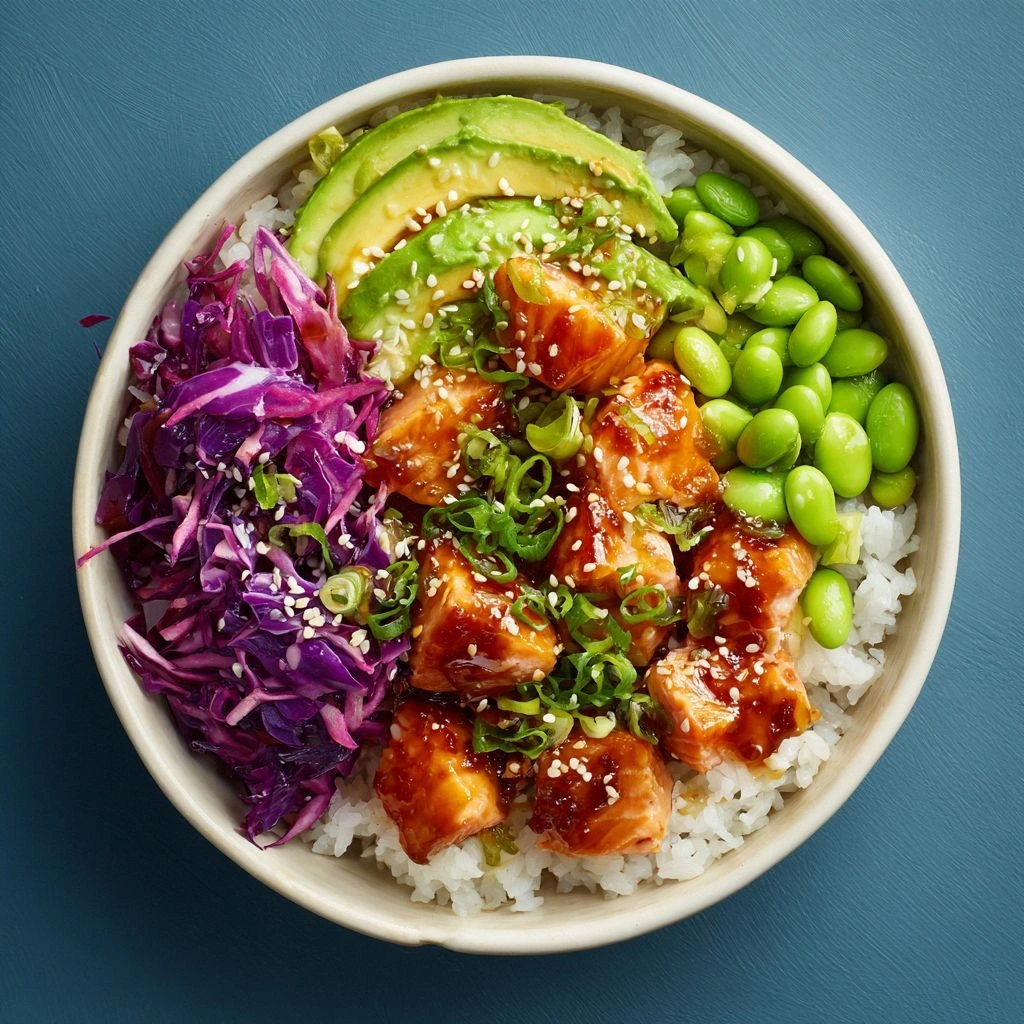
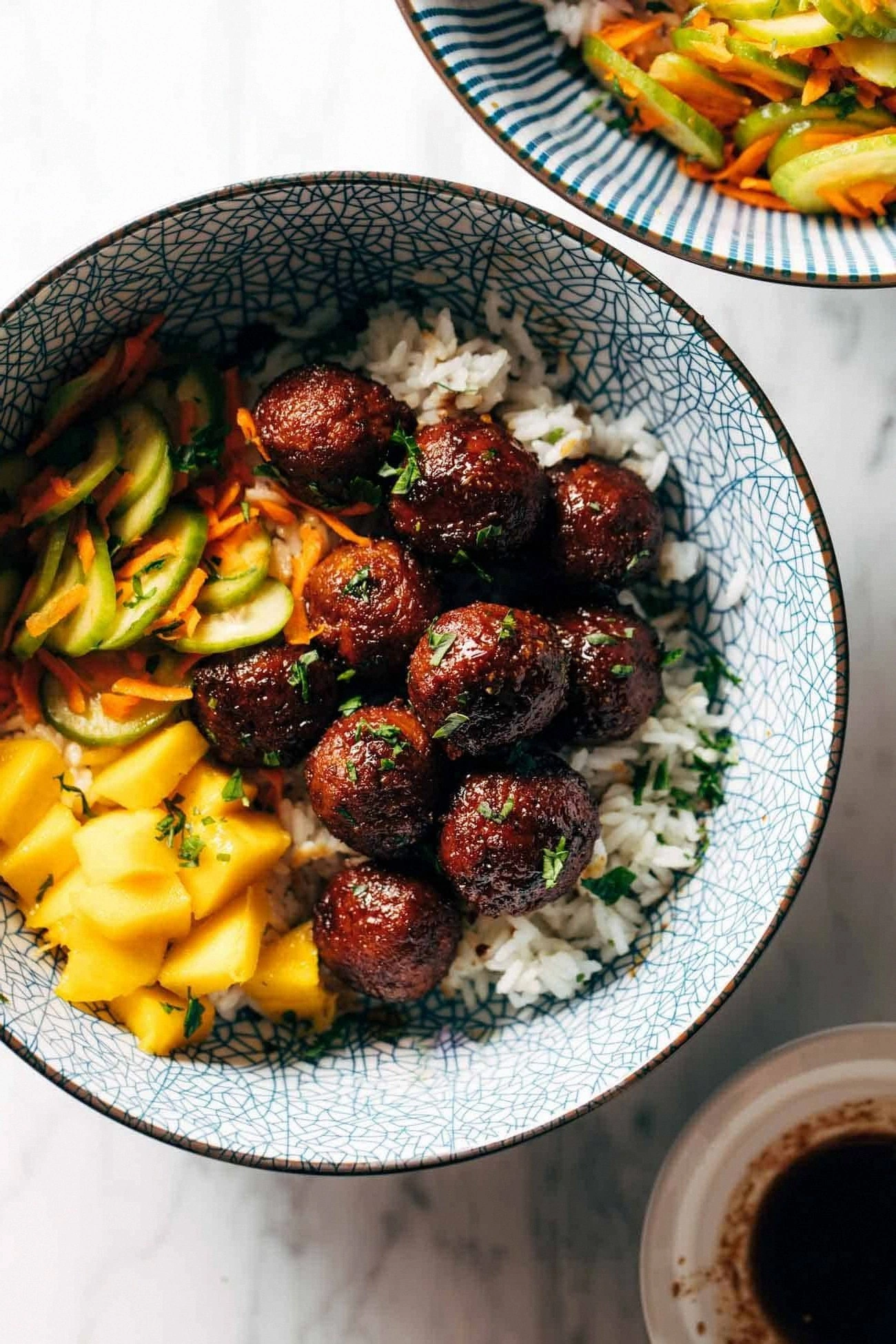
Time to build the bowls. Start with a base of sticky ginger rice, then layer on the pickled carrots and daikon, julienned cucumber, diced mango, sliced avocado, and a sprinkle of green onions. Finish with a generous dusting of toasted sesame seeds and a drizzle of any remaining glaze. Serve immediately, letting the warm rice melt the avocado just slightly, creating a creamy ribbon through each bite.
That's it — you did it. But hold on, I've got a few more tricks that'll take this to another level...
Insider Tricks for Flawless Results
The Temperature Rule Nobody Follows
Never cook sushi rice in a pot that’s been pre‑heated on high. Start with cold water and rice, then bring to a gentle boil. This gradual heating allows the starches to gelatinize evenly, preventing the dreaded gummy centers. I once tried the “high‑heat start” trick and ended up with a clumpy mess—lesson learned.
Why Your Nose Knows Best
When the ginger‑garlic glaze is ready, trust your nose, not the clock. If you smell a sweet, nutty aroma and a hint of caramel, the sauce is perfect. Over‑cooking will make it bitter; under‑cooking will leave it thin and watery. A quick sniff is your secret weapon for a flawless glaze.
The 5‑Minute Rest That Changes Everything
After mixing the glaze into the rice, let the bowl sit uncovered for five minutes. This short rest lets the rice absorb the sauce fully, creating that irresistible stickiness. Skipping this step leaves a bowl that feels “just wet” rather than “glued together.” Trust me, the difference is night and day.
Pickle Power Boost
Add a pinch of crushed red pepper flakes to the quick pickle brine for an extra zing. The heat pairs beautifully with the sweet mango and the warm ginger, creating a balanced flavor profile that keeps the palate intrigued.
Seasonal Swap Savvy
If mango isn’t in season, substitute with ripe peach or even grilled pineapple. Both bring a caramelized sweetness that works perfectly with the ginger glaze. The key is to choose fruit that holds its shape when diced, so the bowl retains its visual appeal.
Creative Twists and Variations
This recipe is a playground. Here are some of my favorite ways to switch things up:
Spicy Sriracha Kick
Stir a tablespoon of sriracha into the ginger‑garlic glaze for a smoky heat that cuts through the sweetness. Top the bowl with a drizzle of extra sriracha and a few crushed peanuts for crunch.
Protein Power Bowl
Add grilled chicken thighs, marinated tofu, or crispy shrimp. Season the protein with a pinch of five‑spice powder to echo the ginger’s warmth, creating a hearty, balanced meal.
Herbaceous Green
Swap the green onions for fresh cilantro and mint. The herb combo adds a bright, aromatic lift that feels like a garden in every bite.
Noodle Fusion
Replace the rice with soba or rice noodles. Toss the noodles in the same glaze, then follow the same topping routine for a noodle‑centric twist.
Umami Boost
Add a splash of mushroom soy sauce or a teaspoon of miso paste to the glaze. The deep umami notes deepen the overall flavor and make the bowl even more comforting.
Storing and Bringing It Back to Life
Fridge Storage
Store the rice and glaze in separate airtight containers for up to 48 hours. The pickled veggies keep well for up to a week. When ready to serve, reheat the rice in a microwave with a splash of water, then stir in the glaze to revive the stickiness.
Freezer Friendly
Portion the cooked rice and glaze into freezer‑safe bags, removing as much air as possible. Freeze for up to two months. Thaw overnight in the fridge, then gently reheat in a skillet, adding a teaspoon of water to restore moisture.
Best Reheating Method
For the ultimate texture, reheat the rice in a dry skillet over medium heat, adding a tiny splash of water—just enough to create steam. This technique revives the sticky coating without turning the rice mushy, and the veggies stay crisp.