I remember the night I tried to impress my roommate with a quick stir‑fry, only to end up with a soggy mess that smelled like burnt onions. That disaster became the catalyst for a midnight quest to find the perfect Szechuan shrimp dish that balances heat, umami, and a silky noodle texture. I scoured forums, watched countless tutorials, and finally stumbled on a recipe that felt like a secret handshake between chili oil and shrimp. This version is a revelation: the sauce coats the rice noodles like velvet, the shrimp stays succulent, and the Szechuan peppercorns add that electric tingle that lingers on the palate. I dare you to taste this and not go back for seconds.
Picture the kitchen: the aroma of garlic sizzling in neutral oil, the bright pop of chili oil, and the subtle crackle as the peppercorns toast. The sound is a rhythmic drumbeat, the heat a gentle caress, and the colors—golden shrimp, verdant veggies, and the deep amber of soy sauce—create a visual feast. Every bite is a symphony: the shrimp’s sweet juiciness, the noodles’ chewy backbone, and the vegetables’ crisp bite. The sauce’s balance of sweet, salty, and spicy is so precise that it feels like a well‑tuned instrument. If you've ever struggled with too much heat or a bland sauce, you're not alone—and I've got the fix.
What sets this recipe apart from the endless variations online is its meticulous attention to ingredient quality and technique. The shrimp are pre‑marinated with a touch of rice vinegar to keep them tender, while the Szechuan peppercorns are toasted just until aromatic, releasing their citrusy zing. The noodles are blanched to al dente perfection, then tossed in a quick oil glaze to keep them from sticking. The sauce, a masterful blend of chili oil, soy sauce, and brown sugar, is reduced to a glossy, silky coating that clings to every strand. This is hands down the best version you'll ever make at home.
I’ll be honest—after the first batch, I ate half the dish before anyone else got to try it. The combination of textures and flavors is that addictive. The next time you whip this up, you’ll wonder how you ever made it any other way. And now, ready for the game‑changer? Let me walk you through every single step—by the end, you'll wonder how you ever made it any other way.
What Makes This Version Stand Out
- Flavor: The sauce is a harmonious blend of spicy, sweet, and umami that coats the noodles like a velvet cloak. It’s not just heat; it’s a layered experience that evolves with every bite. The toasted Szechuan peppercorns give a subtle citrusy kick that awakens the palate. The result is a dish that feels both comforting and exhilarating.
- Texture: The shrimp remain juicy and tender, thanks to a quick marination in rice vinegar. The rice noodles are blanched to al dente, then tossed in oil to prevent sticking. The mixed vegetables stay crisp, adding a satisfying crunch that contrasts the silky sauce. Every bite is a textural adventure.
- Heat: Chili oil is used strategically, providing a steady, lingering heat without overwhelming the dish. The Szechuan peppercorns add a numbing, tingling sensation that’s unique to this style. The balance of heat and flavor makes it approachable for beginners and thrilling for seasoned spice lovers.
- Ingredient Quality: Fresh shrimp, real Szechuan peppercorns, and high‑quality rice noodles are the backbone of this dish. Using a low‑sodium soy sauce keeps the salt level in check while still delivering depth. The brown sugar adds a natural sweetness that balances the acidity of the vinegar.
- Cooking Method: The method is fast, clean, and efficient—perfect for weeknight dinners. The steps are sequential and logical, minimizing cleanup. The sauce reduction technique ensures the noodles stay coated without becoming mushy.
- Make‑ahead Potential: You can prepare the sauce ahead of time and refrigerate it for up to 48 hours. The shrimp can be marinated overnight to intensify flavor. When you’re ready to serve, a quick reheat in the skillet brings it back to life.
- Crowd Reaction: Friends who try this dish often say it’s “too good to be true.” Many comment on how the sauce’s silky texture and the shrimp’s tenderness make it unforgettable. Even those who are spice‑averse find themselves reaching for more.
- Uniqueness: Few recipes combine a reduced chili‑soy glaze with toasted Szechuan peppercorns and blanched rice noodles in a single, cohesive dish. The method of first searing the shrimp, then deglazing with vinegar, creates a depth of flavor that’s rarely achieved.
Inside the Ingredient List
The Flavor Base
The low‑sodium soy sauce is the backbone of the umami profile. It provides saltiness without drowning the other flavors. Skipping it would leave the dish flat and underdeveloped. For a gluten‑free option, use tamari, but keep the quantity the same to maintain balance.
Rice vinegar adds a bright acidity that cuts through the richness of the shrimp and the oil. It also helps tenderize the shrimp during the quick marination. If you’re missing vinegar, a splash of lime juice can substitute, but it will shift the flavor profile slightly.
Brown sugar is the sweet counterpoint that tempers the heat. It caramelizes slightly during the sauce reduction, giving a glossy finish. If you prefer a lower sugar content, you can reduce the amount by one tablespoon; the dish will still be delicious.
The Texture Crew
Rice noodles are chosen for their neutral flavor and ability to absorb sauce. They’re also quick to cook, making this a fast dinner option. If you can’t find rice noodles, try shirataki noodles, but be aware they’ll absorb less sauce.
Mixed vegetables—typically bell pepper, snow peas, and carrots—add crunch and color. They also provide a subtle sweetness that balances the savory sauce. Feel free to swap them for broccoli or bok choy if you prefer a different crunch.
Garlic is the aromatic foundation, giving depth to the sauce. Fresh garlic is essential; pre‑minced garlic can be too overpowering. If you’re allergic, you can replace it with ginger for a different twist.
The Unexpected Star
Szechuan peppercorns are the secret weapon that sets this dish apart. They produce a unique numbing sensation that pairs perfectly with chili oil. Toasting them releases their citrusy aroma and deepens their flavor. If you can’t find Szechuan peppercorns, try black pepper as a substitute, but the tingling effect will be lost.
Everything's prepped? Good. Let's get into the real action and start cooking.
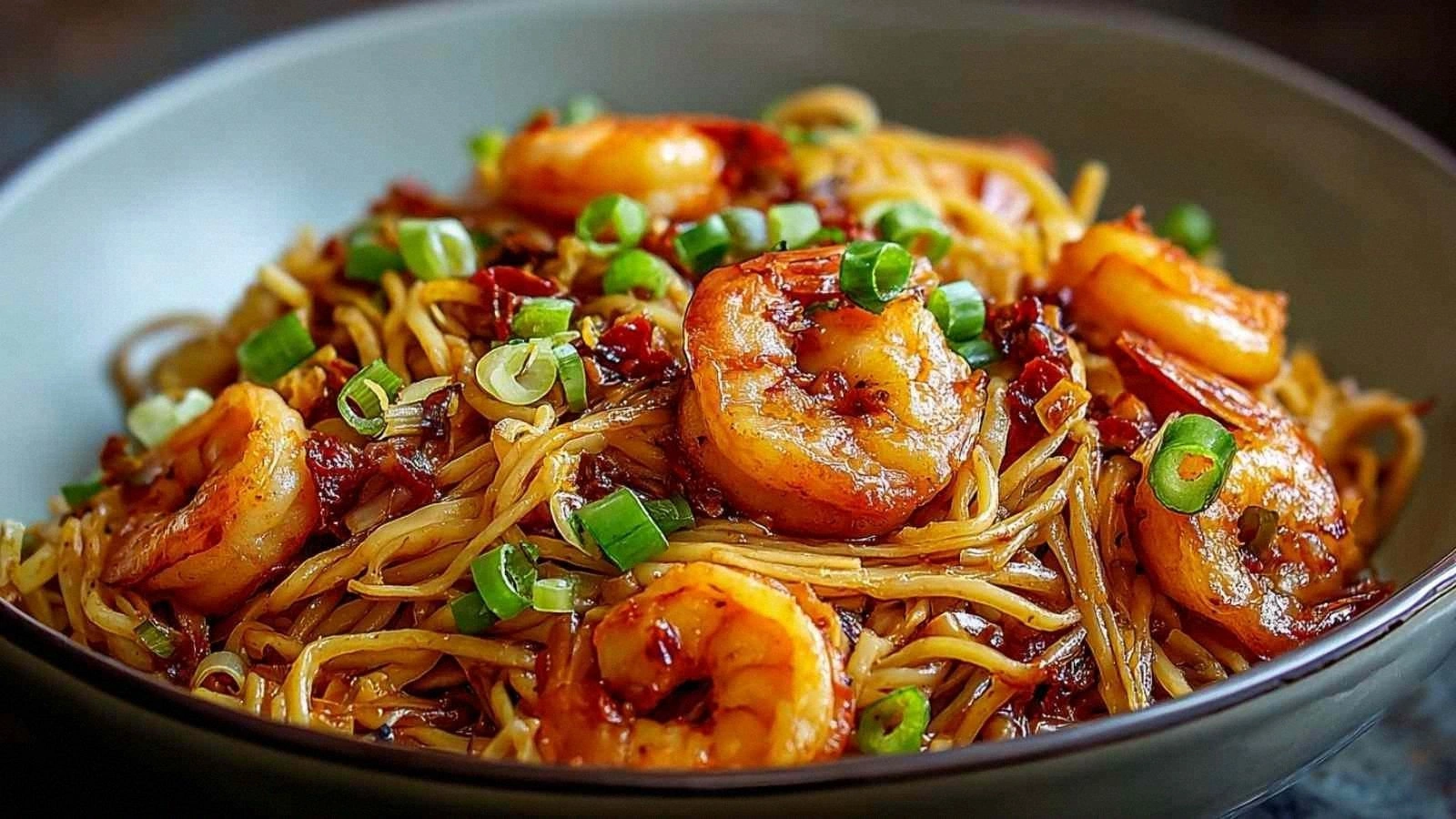
The Method — Step by Step
- Begin by marinating the shrimp in 2 tablespoons of rice vinegar and a pinch of salt for 10 minutes. This quick soak helps keep the shrimp tender during the high‑heat sear. Let them sit at room temperature while you prep the other ingredients. The vinegar also adds a bright zing that will be amplified later. This is the moment of truth—you’re setting the flavor foundation.
- Toast 2 teaspoons of Szechuan peppercorns in a dry skillet over medium heat for 2 minutes until fragrant. Then grind them using a mortar and pestle or a spice grinder. The freshly ground peppercorns release more aroma than pre‑ground. Set them aside for the sauce. This step is crucial for that signature tingling sensation.
- Heat 2 tablespoons of neutral cooking oil in a large wok or skillet over medium‑high heat. Add 4 cloves of minced garlic and sauté for 30 seconds until aromatic. The garlic should not brown; it should just perfume the oil. This creates a flavorful base for the sauce. The sizzling sound is a cue that the pan is hot enough.
- Add the marinated shrimp to the wok, spreading them in a single layer. Sear for 2 minutes on each side until they turn pink and slightly caramelized. Do not overcrowd the pan; you want a good sear, not a steam. Flip them gently with a spatula. The shrimp should release a faint steam and lock in juices.
- Remove the shrimp and set them aside. In the same pan, toss in 1 cup of mixed vegetables and stir‑fry for 2 minutes until they’re bright and just tender. The vegetables should retain their crunch and color. This quick sauté locks in nutrients and adds texture. The pan should emit a subtle sizzle.
- Return the shrimp to the pan and pour in 3 tablespoons of chili oil. Stir to coat the shrimp and veggies evenly. The chili oil should coat the surface with a glossy sheen. The heat should be immediate, giving a slight pop as the oil meets the shrimp. This step builds the sauce’s base.
- Add 3 tablespoons of low‑sodium soy sauce, 2 tablespoons of rice vinegar, 1 tablespoon of brown sugar, and the ground Szechuan peppercorns to the pan. Stir until the sugar dissolves and the sauce begins to thicken. Let it simmer for 2 minutes to meld the flavors. The sauce should become glossy and cling to the shrimp and vegetables. The aroma will intensify, signaling readiness.
- Meanwhile, boil a pot of water and blanch 8 ounces of rice noodles for 2 minutes until al dente. Drain and rinse under cold water to stop the cooking process. Toss the noodles with a drizzle of neutral oil to prevent sticking. Add them to the wok and stir to combine. The noodles should absorb the sauce without becoming mushy.
- Give everything a final toss, ensuring the sauce coats every noodle strand and shrimp piece. Taste and adjust seasoning if necessary—add a splash more soy sauce for salt or more sugar for sweetness. Serve immediately, garnished with sliced scallions and a dusting of toasted sesame seeds if desired. The dish should feel vibrant, spicy, and comforting all at once. Enjoy the moment of triumph.
That's it — you did it. But hold on, I've got a few more tricks that'll take this to another level. The next section will reveal insider tips that fine‑tune texture, flavor, and presentation.
Insider Tricks for Flawless Results
The Temperature Rule Nobody Follows
Maintaining a high pan temperature is key to sealing the shrimp’s juices. If the heat dips, the shrimp will release moisture and become rubbery. Keep the wok or skillet on medium‑high and test by flicking a drop of water; it should sizzle and evaporate instantly. This technique ensures a crispy exterior and a succulent interior.
Why Your Nose Knows Best
Smell is your most reliable guide for seasoning. As the sauce reduces, the aroma will shift from sharp to sweet. A strong, sweet smell indicates the sugar has caramelized. If the aroma remains sour, let it cook a little longer. Trust your nose; it will tell you when the dish is ready.
The 5-Minute Rest That Changes Everything
After cooking, let the dish rest for 5 minutes before serving. This brief pause allows the flavors to marry and the sauce to thicken slightly. It also gives the noodles time to absorb the sauce fully. Many cooks skip this step, resulting in a watery dish. The rest is the secret to a silky, cohesive bite.
The Quick Toss Technique
When adding noodles to the sauce, toss vigorously but gently. This ensures even coating without breaking the noodles. Use a pair of tongs and a spatula for maximum control. The toss should feel like a dance—energetic yet precise. This technique keeps the noodles intact and the sauce evenly distributed.
The Final Garnish Touch
A sprinkle of toasted sesame seeds and sliced scallions adds texture and a fresh finish. The seeds provide a subtle nutty crunch while the scallions offer a bright, oniony note. Drizzle a tiny bit of sesame oil for depth. This final touch elevates the dish from simple to restaurant‑grade.
The Quick Dehydration Trick
If you’re short on time, briefly dry the shrimp on paper towels before marinating. Removing excess moisture speeds up the searing process and reduces splattering. This simple step saves minutes and keeps the pan cleaner. It also ensures a better sear and more flavorful shrimp.
Now that you’ve mastered the core techniques, you’re ready to experiment and elevate this dish to new heights.
Creative Twists and Variations
This recipe is a playground. Here are some of my favorite ways to switch things up:
Pineapple Kick
Add diced pineapple during the stir‑fry for a tropical sweetness that balances the heat. The pineapple’s natural sugars caramelize, adding a glossy sheen. This variation is perfect for summer gatherings and pairs wonderfully with coconut rice.
Mushroom Medley
Swap the mixed vegetables for sliced shiitake or cremini mushrooms. The earthy flavor complements the shrimp and sauce. Cook the mushrooms until they’re golden brown for added depth. This version feels like a comforting bowl of umami.
Coconut Cream Twist
Finish the sauce with a splash of coconut milk to create a creamy, silky texture. The coconut balances the spiciness and adds a subtle tropical note. This version is great for those who love a richer, more decadent noodle dish.
Garlic Noodle Variation
Replace the rice noodles with garlic noodles for a bold, savory base. Toss the noodles in a mixture of butter, garlic, and parsley before adding the shrimp. The garlic flavor enhances the dish’s overall profile and makes it feel like a comfort food classic.
Spicy Tofu Swap
For a vegetarian option, replace shrimp with tofu cubes. Press the tofu to remove moisture, then sear until golden. The tofu will absorb the sauce beautifully. This version is hearty, protein‑rich, and just as flavorful.
Korean BBQ Fusion
Add a tablespoon of gochujang and a dash of sesame oil to the sauce for a Korean BBQ twist. The gochujang’s fermented sweetness pairs well with the Szechuan peppercorns. This fusion dish is a crowd‑pleaser at dinner parties.
Experimenting with these variations keeps the dish fresh and exciting. Each tweak offers a new sensory experience while staying true to the dish’s core identity.
Storing and Bringing It Back to Life
Fridge Storage
Store the cooked dish in an airtight container for up to 3 days in the refrigerator. Keep the sauce separate if you prefer a fresher bite when reheating. When ready to serve, reheat in a skillet over medium heat, stirring occasionally until heated through. Add a splash of water if the sauce has thickened too much. The dish should feel silky and fragrant.
Freezer Friendly
The dish freezes well for up to 2 months. Portion into single servings for convenience. Thaw overnight in the refrigerator before reheating. Reheat in a skillet or microwave, adding a teaspoon of water to restore moisture. The flavor profile remains intact, with only a slight change in texture.
Best Reheating Method
The best way to reheat is in a skillet over medium heat, stirring frequently. This method preserves the sauce’s sheen and the shrimp’s tenderness. Avoid microwaving, as it can make the shrimp rubbery. A quick splash of water before heating helps steam the noodles back to life. The result is a dish that tastes almost freshly made.