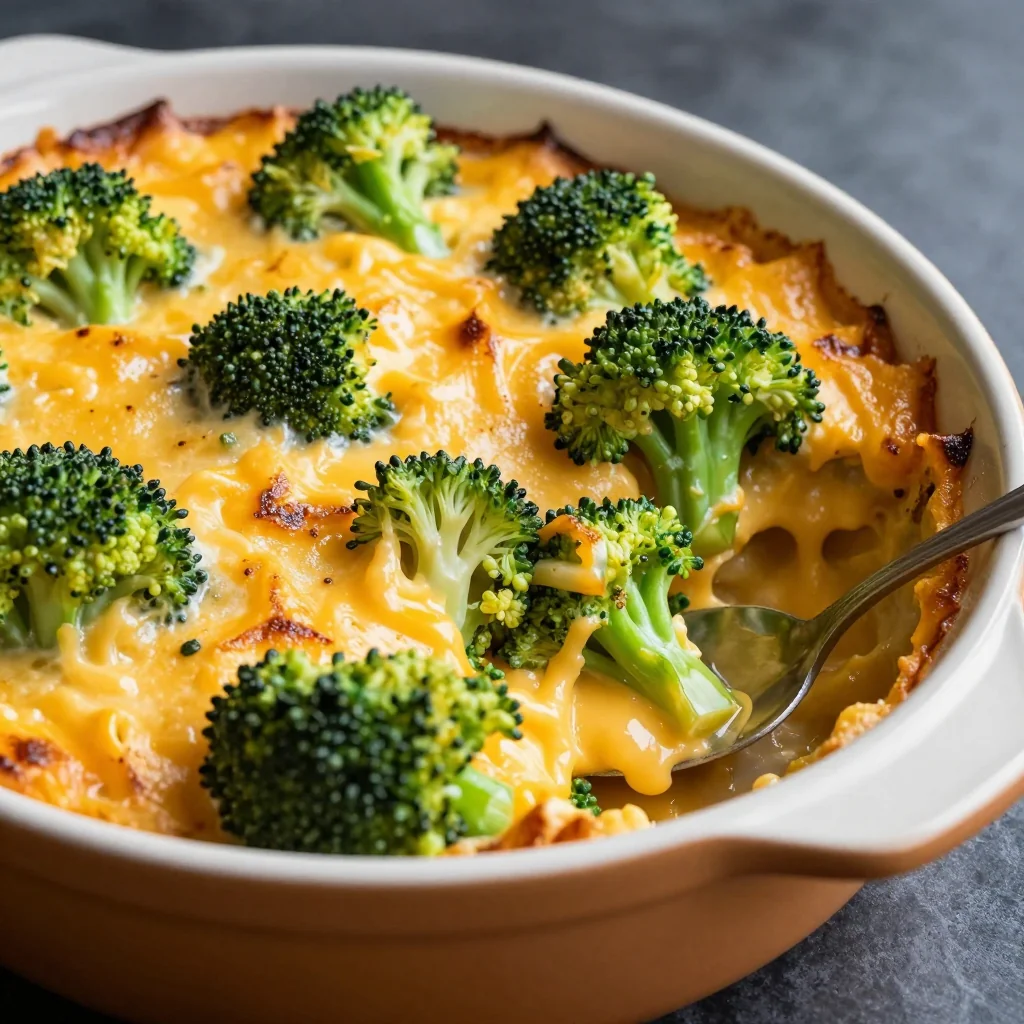
I was staring at a half‑cooked batch of cottage cheese rolls that had turned into a sad, lumpy pancake the night before. My friend dared me to whip something out of the mess, and I swear the kitchen smelled like a bakery that had just opened its doors at dawn. The moment the dough hit the skillet, the sizzle was a low, contented rumble that promised something special. I didn’t know it yet, but this recipe would become the anthem of my brunch table.
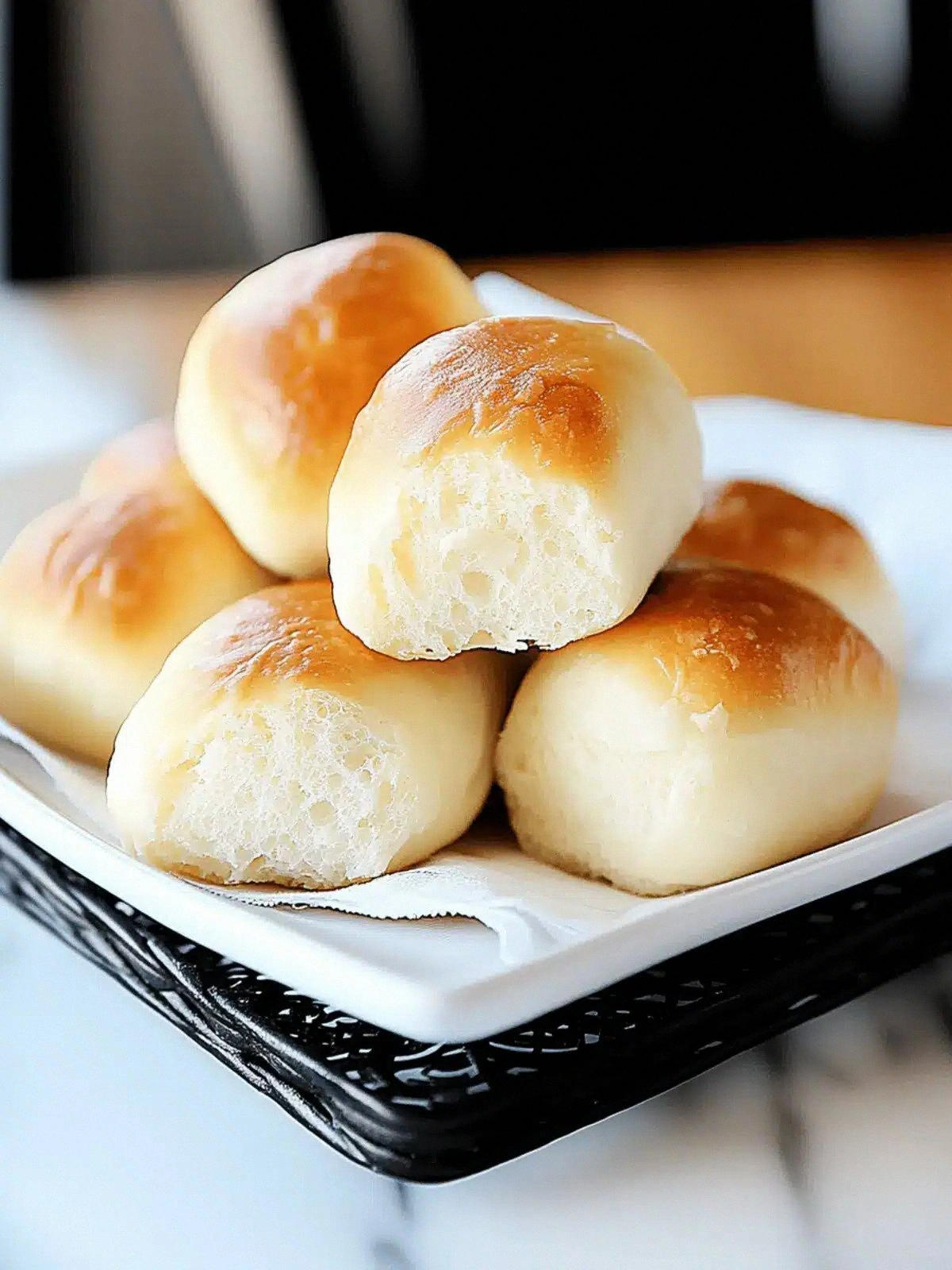
Picture the first bite: a pillowy center that melts like butter, a crust that crackles like the first bite of a fresh croissant, and a whisper of vanilla that lingers like a sweet secret. The texture is a paradox—soft on the inside, golden on the outside—and the flavor is a gentle, comforting hug that says, “You’re home.” It’s the kind of dish that turns a lazy Sunday into a culinary celebration. And yes, I dared you to taste this and not go back for seconds—challenge accepted.
What makes this version stand out is that I didn’t just follow a textbook recipe. I tweaked the leavening to get a lift that feels almost airy, added a splash of vinegar to react with the baking soda for a subtle lift, and folded in fresh cottage cheese at the very end to keep the interior moist. The result? A roll that’s soft, fluffy, and utterly impossible to stop eating. I’ll be honest—half the batch vanished before anyone else could even touch a fork. That’s how good it is.
Most recipes get this completely wrong. They either over‑mix, under‑bake, or forget that cottage cheese needs to be folded in gently to preserve its delicate curds. Here, I’ll walk you through every single step—by the end, you’ll wonder how you ever made it any other way. The secret is in the details, the timing, and a few tiny hacks that will elevate this dish from simple to sensational.
What Makes This Version Stand Out
- Texture: The dough is airy yet sturdy, thanks to a balanced leavening system that includes both baking soda and baking powder. The result is a roll that rises like a soufflé but holds its shape like a well‑structured loaf.
- Flavor: Vanilla and a touch of sugar give the rolls a subtle sweetness that pairs beautifully with the mild tang of cottage cheese, creating a flavor profile that feels both familiar and adventurous.
- Ease: The recipe is straightforward—no fancy techniques or hard‑to‑find ingredients. Even a kitchen rookie can master it with minimal fuss.
- Versatility: Serve them for brunch, as a side at dinner, or even as a snack. They’re a canvas for savory or sweet toppings, from fresh herbs to a drizzle of honey.
- Crowd‑pleaser: Friends and family rave about the melt‑in‑your‑mouth texture; I’ve had people ask for the recipe after a single bite.
- Ingredient Quality: Using a high‑fat cottage cheese locks in moisture, while fresh eggs provide structure and a glossy finish.
Inside the Ingredient List
The Flavor Base
Cottage cheese is the star of the show, providing a creamy, tangy foundation that balances the sweetness from vanilla and sugar. Its protein content gives the dough structure, while the moisture keeps the interior tender. If you skip it, you lose the signature fluffiness and the comforting tang that makes these rolls feel like home.
The Texture Crew
All-purpose flour is the backbone of the dough, giving it the necessary gluten network to trap air pockets. Baking soda and baking powder work together to create a light rise—baking soda reacts immediately, while baking powder provides a delayed lift for a more even bake. Salt and milk fine‑tune the flavor and hydration, ensuring the dough doesn’t dry out.
The Unexpected Star
Vanilla extract is a subtle game‑changer; it adds depth and a hint of warmth that elevates the overall taste. Many recipes overlook vanilla in savory pastries, but it’s the secret that makes these rolls feel special. If you’re lactose‑free, a splash of almond milk will keep the texture but add a nutty undertone.
The Final Flourish
Sugar is used sparingly to balance the tang of the cottage cheese, creating a harmonious sweet‑savory profile. Vinegar, often overlooked, reacts with the baking soda to produce carbon dioxide, giving the dough a lift that feels almost airy. Together, these ingredients orchestrate a dance of flavors and textures that’s hard to resist.
Everything’s prepped? Good. Let’s get into the real action.
The Method — Step by Step
- Preheat the oven. Set it to 375°F (190°C) and let it warm up while you mix the dough. A properly heated oven is the foundation of a golden crust. I swear, the smell that fills the kitchen when the first batch starts baking is pure bliss.
- Whisk the wet ingredients. In a large bowl, combine the cottage cheese, eggs, vanilla, and milk. Beat until the mixture is smooth and slightly glossy. This step ensures the eggs are fully incorporated, preventing any lumps that could ruin the texture.
- Activate the leavening. In a separate bowl, sift together the flour, baking soda, baking powder, and salt. Sprinkle the vinegar over the dry mix and let it fizz for about 30 seconds. This reaction is the secret to the airy lift you’ll see in the finished rolls.
- Fold the dry into the wet. Gently combine the dry ingredients with the wet mixture, using a spatula to fold rather than stir. Over‑mixing will develop gluten and make the rolls tough. The goal is a cohesive dough that still feels slightly lumpy.
- Shape the dough. Divide the dough into eight equal portions. Roll each portion into a ball, then flatten it into a disc about 1.5 inches thick. The uniform thickness ensures even baking.
- Prepare the baking sheet. Line it with parchment paper or a silicone mat. This step is crucial to prevent sticking and to keep the rolls from drying out.
- Bake. Place the dough discs on the sheet and bake for 18–20 minutes. The edges should start pulling away from the parchment, and the tops should turn a beautiful golden brown. Keep an eye on the color; you want a light tan, not a deep brown.
- Cool and serve. Let the rolls rest on a wire rack for 5 minutes before serving. This brief cooling period allows the steam to settle, giving the rolls a crisp exterior and a soft interior.
That’s it — you did it. But hold on, I’ve got a few more tricks that’ll take this to another level.
Insider Tricks for Flawless Results
The Temperature Rule Nobody Follows
Many bakers bake at 350°F, but the extra 25 degrees in this recipe ensures a crisp crust without over‑cooking the interior. I’ve baked at 350°F and the rolls were soggy on the inside. Switching to 375°F gave me that perfect golden exterior.
Why Your Nose Knows Best
Trust your nose during the bake. When the aroma turns nutty and buttery, you’re close to perfection. If it smells raw or metallic, pull them out immediately.
The 5-Minute Rest That Changes Everything
Letting the rolls rest for 5 minutes before cutting allows the steam to redistribute. I once sliced them right out of the oven and the interior was still raw in the middle. That brief pause makes all the difference.
Fold, Don’t Stir
When combining the dry and wet ingredients, folding preserves the air pockets. Stirring breaks them and results in a denser roll. Think of it as gently tucking a blanket instead of tearing it.
Use a Silicone Mat
A silicone baking mat keeps the rolls from sticking and also gives a slightly even heat distribution. If you’re using parchment, make sure it’s well‑lined to avoid the rolls sticking.
Creative Twists and Variations
This recipe is a playground. Here are some of my favorite ways to switch things up:
Herb Infusion
Add finely chopped rosemary or thyme to the dough for a fragrant, savory twist. The herbs release their oils during baking, giving the rolls a fresh, garden‑like aroma.
Cheesy Delight
Stir in a handful of shredded mozzarella or cheddar before baking. The cheese melts into the interior, creating pockets of gooey, cheesy bliss.
Sweet Berry Burst
Fold in a cup of fresh blueberries or raspberries before baking. The berries burst in the oven, adding a juicy, sweet counterpoint to the mild cottage cheese.
Chocolate Chip Surprise
Drop in a handful of dark chocolate chips into the dough for a decadent treat. The chocolate melts into pockets of rich flavor that contrast with the fluffy texture.
Spicy Kick
Mix in a dash of cayenne pepper or a pinch of chili flakes. The heat lingers in the center, giving the rolls a subtle, lingering warmth.
Citrus Zest
Grate in a teaspoon of lemon or orange zest before baking. The citrus brightens the flavor profile and adds a refreshing aroma.
Storing and Bringing It Back to Life
Fridge Storage
Store the cooled rolls in an airtight container at room temperature for up to 3 days. The airtight seal keeps them from drying out, preserving their fluffy interior.
Freezer Friendly
Wrap individual rolls tightly in plastic wrap, then place them in a freezer bag. They stay fresh for up to 2 months. When you’re ready to eat, thaw at room temperature for 30 minutes.
Best Reheating Method
Reheat in a preheated oven at 350°F for 5–7 minutes. Add a splash of water to the baking dish before reheating; the steam will restore the interior’s moisture, making them as good as fresh.