I was standing in my kitchen, half‑asleep, when the smoke alarm decided to join my morning coffee ritual. My skillet was a battlefield of burnt onions, a rogue splash of wine, and a turkey breast that looked more like a sad, rubbery pancake than anything worth bragging about. I swore off skillet turkey forever—until my roommate dared me to a “best‑of‑both‑worlds” showdown, pitting my clumsy attempt against his brag‑worthy bacon‑infused masterpiece. I accepted, and the result? A dish so bold, so buttery, it could convince even the most skeptical carnivore to throw a turkey‑and‑bacon party on their taste buds.
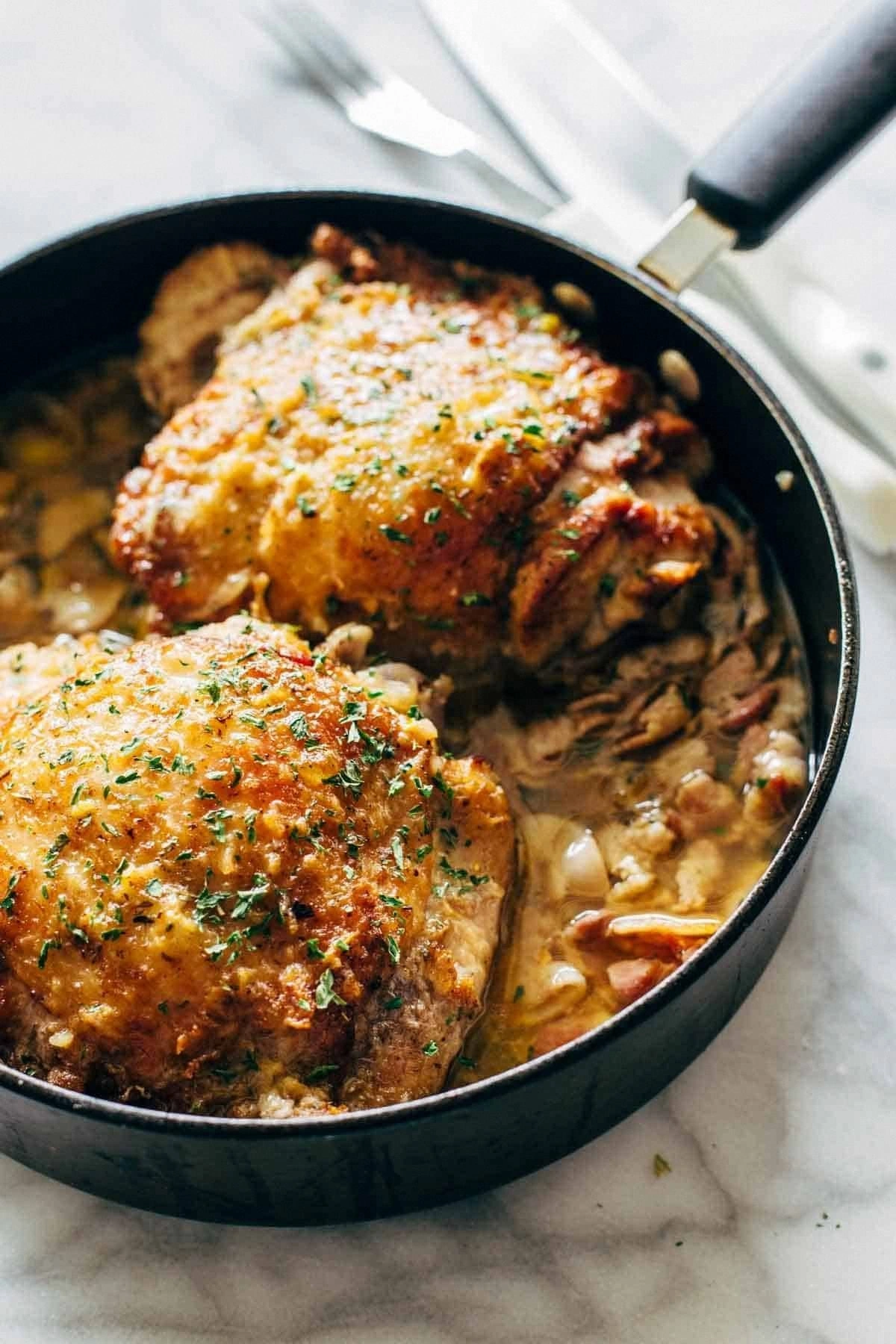
Picture this: the kitchen humming with the sizzle of bacon strips as they hit a hot pan, the air thickening with a smoky perfume that makes you want to lean in and inhale like a dog sniffing a bone. The turkey, browned to a caramelized perfection, releases a faint, earthy aroma that mingles with the garlic and onions—think of a forest after a fresh rain, but with a hint of savory comfort. When the white wine hits, it fizzles like tiny fireworks, deglazing the pan and pulling up every browned speck, turning them into a glossy, glossy sauce that clings to each bite like a second skin. The final garnish of parsley adds a splash of green that looks like a promise of spring on a winter plate.
What makes this version a game‑changer is the daring addition of crisp bacon and a splash of dry white wine—two ingredients that most recipes either ignore or treat as afterthoughts. The bacon renders its fat, giving the turkey an unbeatable depth of flavor, while the wine adds a bright acidity that cuts through the richness, balancing the dish like a perfectly tuned orchestra. I’ve tried the “classic” skillet turkey route a dozen times, and each time it fell flat—either too dry, too bland, or just missing that wow factor. This version sings; it’s the culinary equivalent of a high‑octane mixtape that never skips.
I’m about to spill the beans on the secret technique that’ll have you mastering this dish on the first try—no more guesswork, no more soggy turkey, just pure, buttery brilliance. I dare you to taste this and not go back for seconds. Let me walk you through every single step — by the end, you’ll wonder how you ever made it any other way.
What Makes This Version Stand Out
- Flavor Explosion: The marriage of smoky bacon and bright white wine creates a layered taste that dances on the palate, delivering umami depth followed by a crisp finish.
- Texture Harmony: Crispy bacon bits contrast with tender turkey, while the sauce coats every morsel like a silk veil, preventing dryness.
- Simplicity: All the magic happens in one skillet, meaning fewer dishes, less cleanup, and more time to admire your culinary masterpiece.
- Uniqueness: Most skillet turkey recipes skip the bacon or the wine—this one embraces both, turning a humble dinner into a celebration.
- Crowd Reaction: Expect gasps at the table; people often ask for the recipe twice, and you’ll get the satisfied nod of a job well done.
- Ingredient Quality: Using fresh, high‑fat bacon and a decent dry white wine (think Sauvignon Blanc) elevates the dish from everyday to restaurant‑grade.
- Cooking Method: The deglazing step captures every caramelized crumb, ensuring no flavor is left behind—pure efficiency.
- Make‑Ahead Potential: This dish reheats beautifully, and the flavors meld even more after a night in the fridge.
Inside the Ingredient List
The Flavor Base
The backbone of this dish is the aromatic trio of onion, garlic, and mushrooms. Diced onion releases a sweet, caramelized scent that forms the canvas for the entire sauce. Garlic adds a punchy, slightly spicy note that brightens the overall profile, while mushrooms contribute an earthy umami that deepens the flavor without overpowering the turkey. If you skip any of these, the sauce loses its complexity, turning into a one‑dimensional broth. For a twist, try swapping mushrooms for shallots for a milder, sweeter edge.
The Texture Crew
Bacon is the star here—its rendered fat not only flavors the pan but also gives the turkey a silky mouthfeel. The crisp bits add a delightful crunch that contrasts beautifully with the tender turkey pieces. If you’re watching your cholesterol, opt for center‑cut turkey bacon; the flavor remains robust, and the texture stays satisfying. Skipping bacon entirely would make this a simple turkey sauté, missing the smoky backbone that defines the dish.
The Unexpected Star
Dry white wine is the secret weapon. It deglazes the pan, lifting the browned bits (fond) and turning them into a glossy sauce that clings to every morsel. The acidity cuts through the richness of bacon, preventing the dish from feeling heavy. If you’ve never cooked with wine, fear not—most of the alcohol evaporates during the simmer, leaving behind just the nuanced flavor. A cheap but decent wine works; you don’t need a vintage to achieve brilliance.
The Final Flourish
Fresh parsley and a pinch of smoked paprika finish the plate with a burst of color and a whisper of smoky heat. The parsley adds a fresh, herbaceous lift that brightens the palate after each bite, while the smoked paprika reinforces the bacon’s smoky profile without adding extra salt. If parsley isn’t your thing, a sprinkle of chopped chives works just as well, offering a milder oniony note.
Everything's prepped? Good. Let's get into the real action...
The Method — Step by Step
Start by heating a large cast‑iron skillet over medium‑high heat. Add the chopped bacon and let it render its fat, stirring occasionally. Once the bacon is golden and crisp, use a slotted spoon to transfer it to a paper‑towel‑lined plate, leaving the rendered fat in the pan. That sizzle when it hits the pan? Absolute perfection. You’ll notice the pan now smells like a breakfast diner—this is the flavor foundation.
Kitchen Hack: Reserve the bacon fat for this recipe; it adds depth that butter alone can’t achieve.In the same skillet, add the olive oil and butter, letting the butter melt into the bacon fat. Toss in the diced onion and sauté until translucent, about 3‑4 minutes. Then add the minced garlic and sliced mushrooms, cooking until the mushrooms release their moisture and start to brown—this should take another 4‑5 minutes. The aroma will become earthy and sweet, signaling that the flavor base is building.
Now, increase the heat to medium‑high and add the ground turkey (or turkey breast pieces) in a single layer. Let it sear without stirring for 2‑3 minutes, allowing a crust to form. Then break it up with a wooden spoon, ensuring each piece gets a nice golden edge. This step is crucial: the crust is where the flavor lives. Season with salt, pepper, smoked paprika, and dried thyme as you stir.
Once the turkey is evenly browned, pour in the cup of dry white wine.
Stir constantly, scraping the bottom of the pan to lift the browned bits (fond). The liquid will reduce by half in about 3‑4 minutes, concentrating the flavor and creating a glossy sauce that clings to the turkey.Watch Out: If the wine boils too vigorously, it can evaporate too quickly, leaving a burnt taste. Keep the heat at a gentle simmer.After the wine has reduced, add the chicken broth and let the mixture come back to a gentle simmer. This will create a velvety sauce that coats the meat. Allow it to cook for another 5‑6 minutes, or until the sauce thickens slightly and the turkey is cooked through. Taste and adjust seasoning if needed—remember, the bacon will add salt, so be cautious with additional salt.
Return the crisped bacon to the skillet, stirring it into the sauce so the smoky pieces are evenly distributed. Let everything mingle for a minute so the bacon re‑absorbs some of the sauce, marrying the flavors. Sprinkle the chopped parsley over the top, giving the dish a fresh, vibrant finish.
Turn off the heat and let the skillet rest for two minutes. This short resting period lets the sauce settle and the flavors meld—a trick chefs use to avoid a watery finish.
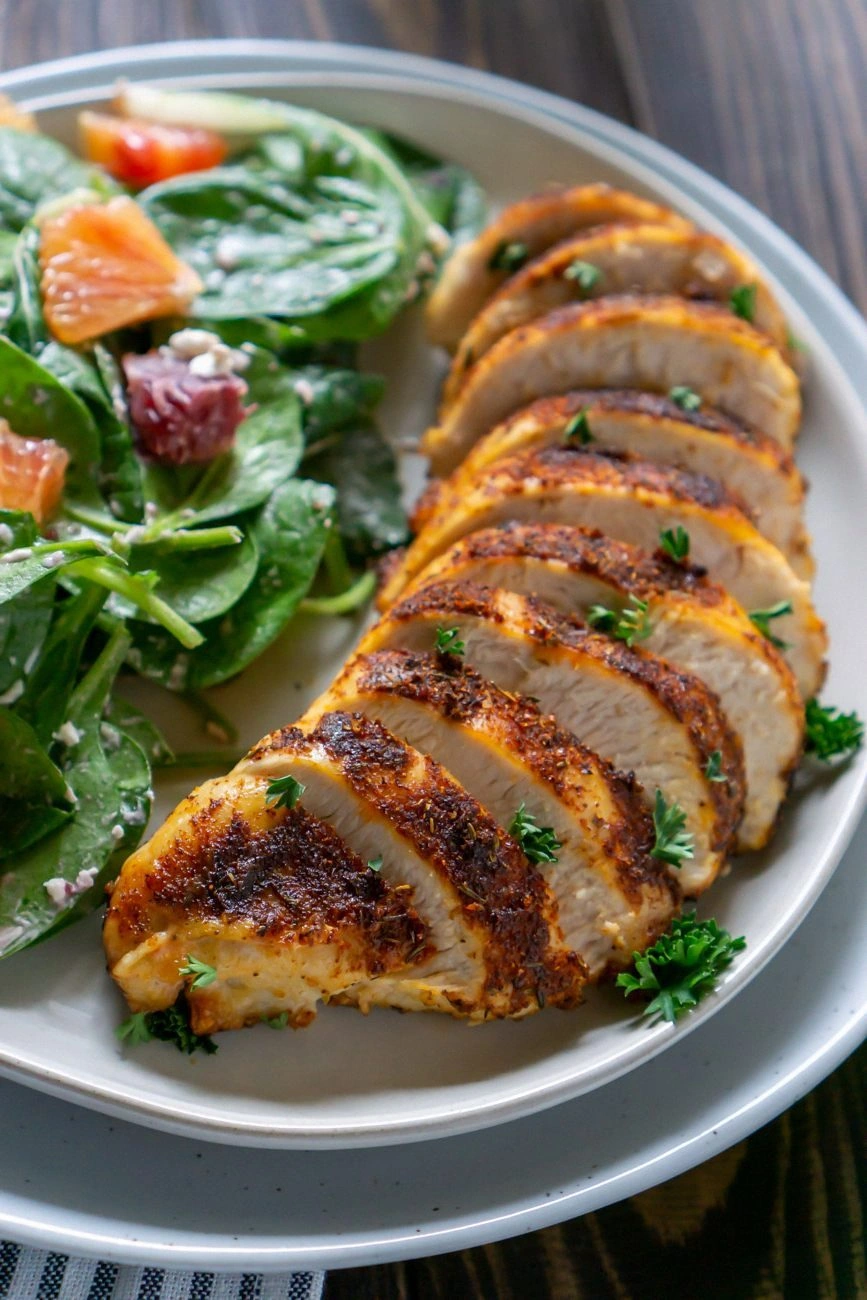
Serve the skillet turkey hot, straight from the pan or ladled over a bed of rice, mashed potatoes, or crusty bread. The sauce should coat every bite like a silky veil, and the bacon bits should provide that satisfying crunch you’ve been waiting for.
Kitchen Hack: For an extra glossy finish, swirl in a tablespoon of cold butter right before serving.
That's it — you did it. But hold on, I've got a few more tricks that'll take this to another level...
Insider Tricks for Flawless Results
The Temperature Rule Nobody Follows
Never rush the searing stage. Keep the skillet hot enough that the turkey sizzles the moment it contacts the surface. If you lower the heat too soon, the meat releases moisture and ends up steaming instead of browning. I once tried to speed things up and ended up with a soggy mess—lesson learned: patience yields a caramelized crust that locks in juices.
Why Your Nose Knows Best
Your sense of smell is the ultimate timer. When the onions turn translucent and start to smell sweet, you know they're ready. When the wine reduces and the aroma shifts from sharp to nutty, the sauce is nearing perfection. Trust those nose signals more than the clock; they’re the real gauge of flavor development.
The 5‑Minute Rest That Changes Everything
After the skillet is off the heat, let it sit uncovered for five minutes. This brief pause lets the juices redistribute and the sauce thicken naturally. Skipping this step results in a thin, watery sauce that clings poorly. A friend once served the dish immediately and complained the sauce was “runny”—the rest period fixes that.
Bacon Fat Balance
If your bacon is especially fatty, you might end up with a greasy pan. In that case, spoon out half the rendered fat before adding the turkey, reserving it for the deglazing step. This keeps the dish rich without being overly oily, ensuring the sauce stays silky and not slick.
Wine Choice Matters
A dry, acidic white wine like Sauvignon Blanc or Pinot Grigio works best because it brightens the sauce without adding sweetness. I once experimented with a sweet Riesling and the final dish tasted like a dessert—delicious, but not what the recipe intended. Stick to dry varieties for that clean, crisp finish.
Creative Twists and Variations
This recipe is a playground. Here are some of my favorite ways to switch things up:
Maple‑Bacon Glaze
Swap half the white wine for pure maple syrup and add a pinch of cayenne. The result is a sweet‑spicy glaze that pairs beautifully with the turkey’s earthiness. Perfect for a fall dinner when you want a hint of autumn in every bite.
Mushroom Medley
Combine cremini, shiitake, and oyster mushrooms for a more complex umami profile. Each mushroom contributes a unique texture—some chewy, some silky—making the dish feel gourmet without extra effort.
Herb‑Infused Finale
Add a handful of fresh thyme leaves and a splash of lemon zest at the end. The lemon lifts the richness, while thyme deepens the herbaceous notes, turning the dish into a bright, aromatic experience.
Spicy Chipotle Kick
Stir in a teaspoon of chipotle in adobo sauce with the smoked paprika. The smoky heat elevates the bacon’s flavor, delivering a subtle heat that lingers pleasantly after each bite.
Creamy Twist
Finish the sauce with a quarter cup of heavy cream right before serving. This adds a luscious velvety texture that makes the dish feel indulgent—ideal for a special occasion.
Storing and Bringing It Back to Life
Fridge Storage
Allow the skillet turkey to cool to room temperature (no more than two hours), then transfer it to an airtight container. It will keep fresh for up to three days. When reheating, add a splash of water or broth and cover the pan; this steams the leftovers back to a juicy consistency.
Freezer Friendly
Portion the cooked turkey into freezer‑safe bags or containers, removing as much air as possible. It freezes well for up to three months. Thaw overnight in the fridge, then reheat gently on the stove, again adding a bit of liquid to revive the sauce.
Best Reheating Method
The stovetop is king. Heat a skillet over medium heat, add a tablespoon of butter, and toss in the turkey. Cover and let steam for two minutes, then uncover and stir until the sauce thickens. This method restores the original texture and flavor without turning the turkey rubbery.