Introduction
Picture this: I was in a frantic rush to host a last‑minute dinner, the fridge was a sad assortment of wilted greens and a half‑shelled shrimp packet, and my kitchen clock was ticking like a metronome. I pulled a bag of pre‑sliced zucchini from the freezer, tossed it into a skillet, and let the aroma of garlic and butter rise like a promise. That moment, a kitchen disaster in the making, sparked a craving for something bright, buttery, and unapologetically seafood. I dared myself to turn a pantry of odds and ends into a dish that would make even the most skeptical food critic swoon.
When the first sizzle hit the pan, the air thickened with the scent of caramelized garlic and a hint of citrus. The sound of shrimp popping into the hot oil was a metronome of anticipation. I could almost taste the sea, the peppery bite of paprika, and the subtle tang of lemon zest mingling with the buttery base. The texture was a playful contrast: tender shrimp, crisp‑to‑the‑bite zucchini strands, and a sauce that clung to every noodle like a velvet blanket.
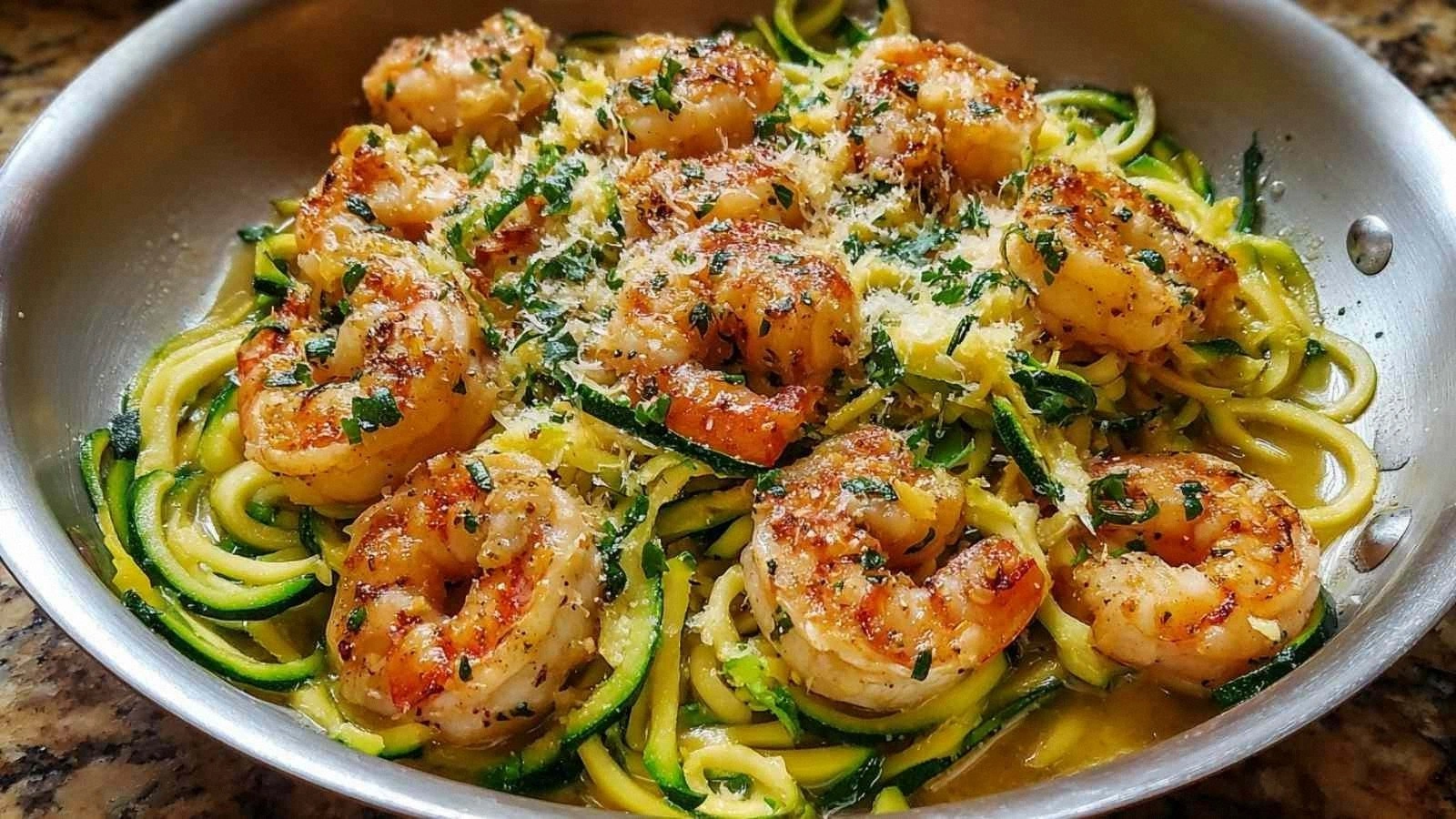
This isn’t just another shrimp scampi. It’s a reimagining that replaces heavy pasta with zoodles, keeping the dish low‑carb yet full of flavor. The secret sauce—an explosion of garlic, crushed red pepper, lemon, and a splash of red wine vinegar—creates a bright, zesty coating that sings with every bite. I’ve spent hours tweaking the balance of heat, acidity, and richness, and the result is a dish that feels like a summer breeze in a bowl, no matter the season.
There’s a bold claim here: this is hands down the best version of shrimp scampi you’ll ever make at home. I dare you to taste this and not go back for seconds. If you’ve ever struggled with the classic scampi’s tendency to be either too greasy or too dry, you’re not alone—and I’ve got the fix. Let me walk you through every single step—by the end, you’ll wonder how you ever made it any other way.
What Makes This Version Stand Out
- Flavor: The sauce is a bright, citrus‑laden masterpiece that cuts through the richness of butter and shrimp, creating a harmonious balance that feels both indulgent and refreshing.
- Texture: The zoodles provide a satisfying, noodle‑like chew without the heaviness of pasta, while the shrimp stay plump and succulent thanks to a quick sear.
- Simplicity: With only a handful of pantry staples and fresh ingredients, you can whip up this dish in under 45 minutes—perfect for busy weeknights.
- Uniqueness: The combination of paprika, crushed red pepper flakes, and a splash of red wine vinegar gives this scampi a depth of flavor that most recipes miss.
- Crowd Reaction: Friends and family rave about the vibrant color and the way the sauce clings to every strand, turning a simple dinner into a showstopper.
- Ingredient Quality: Fresh, high‑quality shrimp and organic zucchini elevate the dish, making each bite a testament to the power of good ingredients.
- Cooking Method: A quick sear followed by a simmer in the sauce locks in flavor and keeps the shrimp from overcooking.
- Make‑Ahead Potential: The sauce can be made ahead and reheated with a splash of broth, making it a convenient option for meal prep.
Alright, let’s break down exactly what goes into this masterpiece…
Inside the Ingredient List
The Flavor Base
At the heart of any great sauce is a flavor base that sings. In this recipe, unsalted butter and garlic form the golden foundation that melts into a fragrant, buttery pool. The butter’s richness coats the shrimp, while the garlic infuses every bite with depth. If you skip the butter, you’ll end up with a dry, unremarkable sauce; if you skip the garlic, the dish loses its signature aroma.
Crushed red pepper flakes add a subtle heat that wakes up the palate. They’re not overpowering but give the sauce a gentle kick that pairs beautifully with the lemon’s acidity. A pinch more or less can tailor the dish to your heat tolerance, but don’t skimp on the flakes—they’re the secret to that lingering warmth.
The Texture Crew
Large shrimp are the star of this dish. Their size ensures a juicy, meaty bite that holds up against the sauce. When you see them turning pink and opaque, that’s the signal that they’re perfectly cooked. If you use smaller shrimp, you’ll need to monitor them more closely to avoid overcooking.
Zucchini, sliced into thin spirals, replaces traditional pasta. The spirals hold the sauce like a noodle, delivering a satisfying bite without the carb load. If you’re a fan of a crunchier texture, give the zoodles a quick blanch before sautéing to firm them up slightly.
The Unexpected Star
Low‑sodium vegetable broth is the unexpected hero that keeps the sauce from drying out. It adds a subtle vegetal note that balances the acidity of lemon and vinegar. If you’re craving a deeper umami flavor, a splash of fish sauce or anchovy paste can be added—just be careful with the salt.
The Final Flourish
Red wine vinegar and lemon provide the bright, acidic punch that cuts through the butter’s richness. The vinegar’s sharpness pairs with the lemon’s citrusy brightness, creating a sauce that’s both lively and complex. Grated Parmesan cheese, added at the end, offers a salty, nutty finish that ties everything together. If you’re dairy‑free, a sprinkle of nutritional yeast can mimic the cheese’s umami.
Everything’s prepped? Good. Let’s get into the real action…
The Method — Step by Step
- Begin by heating a large skillet over medium‑high heat. Once the pan is shimmering, add the unsalted butter, letting it melt into a glossy, fragrant base. As the butter foams, stir in the minced garlic, allowing it to sizzle for about 30 seconds until it’s aromatic but not browned. This is the moment of truth; if the garlic starts turning brown, it will taste bitter. Watch the aroma—there’s a subtle, nutty scent that signals the butter is ready for the next step.
- Add the crushed red pepper flakes to the skillet, stirring to distribute the heat evenly. The flakes should pop lightly, releasing their heat into the butter‑garlic mixture. This step is crucial for building layers of flavor that will carry through the sauce. If you prefer a milder dish, reduce the flakes to a quarter of the suggested amount.
- Introduce the shrimp to the pan in a single layer, ensuring they’re not overcrowded. Sear them for 2 minutes on each side until they’re just turning pink—this quick sear locks in juices and gives the shrimp a silky texture. Don’t let them cook for too long or they’ll become rubbery. Once seared, set the shrimp aside on a plate and keep them warm.
- In the same pan, pour in the low‑sodium vegetable broth, scraping up any browned bits from the bottom. This deglazing step adds depth to the sauce. Let the broth reduce for about 2 minutes, allowing the flavors to concentrate. The pan should emit a warm, savory scent that’s almost intoxicating.
- Squeeze the juice of the whole lemon into the skillet, then zest it over the mixture. The citrus brightens the sauce and balances the butter’s richness. If you like a more pronounced lemon flavor, add an extra tablespoon of juice. Stir to combine, letting the lemon infuse the broth.
- Add the red wine vinegar, paprika, and freshly cracked black pepper to the pan. Stir vigorously to blend the spices into the liquid. This combination creates a sauce that’s both spicy and tangy, with a hint of smoky paprika that deepens the overall flavor profile. Keep the heat on medium to avoid scorching the vinegar.
- Now it’s time for the zoodles. Toss the spiralized zucchini into the skillet, stirring to coat each strand with the sauce. Cook for 3–4 minutes, just until the zoodles are tender but still retain a slight bite. Overcooking will turn them mushy, so keep a close eye on the texture. The sauce should cling to each noodle, creating a glossy, flavorful coating.
- Return the shrimp to the skillet, letting them mingle with the zoodles for an additional minute. This allows the shrimp to reheat without overcooking and to absorb the sauce’s final flavors. The shrimp should be plump, pink, and fragrant.
- Finish the dish by sprinkling grated Parmesan cheese over the top, letting it melt into the sauce. The cheese adds a salty, nutty finish that elevates the dish from good to unforgettable. If you’re dairy‑free, a sprinkle of nutritional yeast or a drizzle of olive oil can replace the Parmesan.
- Plate the zoodles and shrimp in shallow bowls, ensuring each serving gets a generous amount of sauce. Garnish with a few extra lemon zest curls and a pinch of fresh parsley if desired. The dish should look vibrant, with bright green zoodles, pink shrimp, and a glossy, golden sauce.
That’s it — you did it. But hold on, I’ve got a few more tricks that will take this to another level…
Insider Tricks for Flawless Results
The Temperature Rule Nobody Follows
Maintaining the right heat is essential. A medium‑high temperature sears the shrimp quickly, sealing in juices, while a lower heat during the sauce reduction preserves the delicate citrus notes. If the pan gets too hot, the garlic will burn and the lemon will taste bitter. Keep an eye on the oil’s shimmer; it should be just below a gentle boil.
Why Your Nose Knows Best
Use your nose to gauge doneness. When the shrimp are cooked, they’ll emit a sweet, briny scent. The sauce should smell bright and citrusy, not sour or metallic. If the aroma feels off, it’s a cue to adjust the heat or add a splash of broth.
The 5‑Minute Rest That Changes Everything
Let the dish rest for five minutes after cooking. This brief pause allows the flavors to meld and the sauce to thicken slightly. During this time, the shrimp will finish cooking in residual heat, ensuring they’re tender without overcooking.
Keep the Zoodles Fresh
To avoid soggy zoodles, add them to the pan just before the shrimp return. This short cooking time preserves their bright color and firm bite. If you prefer softer noodles, blanch them for a minute before sautéing.
Balancing Acidity
Adjust the lemon and vinegar to taste. If the sauce feels too sharp, add a teaspoon of honey or a splash of olive oil to mellow the acidity. Conversely, if it’s too mild, a squeeze of extra lemon juice will brighten it up.
Creative Twists and Variations
This recipe is a playground. Here are some of my favorite ways to switch things up:
Spicy Cajun Edition
Swap paprika for Cajun seasoning and increase the crushed red pepper flakes. Add a splash of hot sauce after the shrimp return. This version delivers a smoky, fiery kick that pairs wonderfully with a cold drink.
Herb‑Infused Delight
Stir in a handful of chopped fresh basil or oregano with the zoodles. Finish with a drizzle of extra‑virgin olive oil and a sprinkle of toasted pine nuts for crunch.
Vegan Version
Replace shrimp with marinated tofu cubes and use coconut milk instead of butter. Keep the same sauce base but add a teaspoon of tamari for depth of flavor. The result is a plant‑based dish that still feels indulgent.
Low‑Carb Power Bowl
Serve the zoodles and shrimp over a bed of cauliflower rice instead of zucchini. Top with a dollop of Greek yogurt and a sprinkle of chopped scallions for a creamy, protein‑rich meal.
Asian Fusion Twist
Swap the red wine vinegar for rice vinegar and add a tablespoon of soy sauce. Garnish with sliced green onions and sesame seeds for an Asian‑inspired flavor profile.
Breakfast‑Style Kick
Serve the shrimp and zoodles over a sunny‑side‑up egg. The runny yolk adds richness and turns the dish into a hearty breakfast or brunch option.
Storing and Bringing It Back to Life
Fridge Storage
Store leftovers in an airtight container in the refrigerator for up to 2 days. The sauce may thicken, so add a splash of vegetable broth or water when reheating to restore its silky texture.
Freezer Friendly
Freeze in a freezer‑safe container for up to 3 months. Thaw overnight in the refrigerator, then reheat gently on the stove, adding a bit of broth to loosen the sauce.
Best Reheating Method
Reheat over low heat, stirring frequently. Add a small splash of water or broth to keep the sauce from drying out. Once heated through, give it a quick whisk to redistribute the butter and spices.