I still remember the night I almost ruined dinner. My friend had challenged me to create a salmon dish that would make everyone say, “I never thought this could be so easy.” I opened the fridge, stared at the fish, and thought, “If I can pull this off, I’ll have a new signature dish.” The result? A sheet pan honey mustard salmon that melts in your mouth, with a glaze that sticks like a second skin and a buttery crust that crackles like a toasted marshmallow. This isn’t just a recipe; it’s a culinary dare, a statement that the simplest ingredients can produce a dish that feels like a gourmet experience.
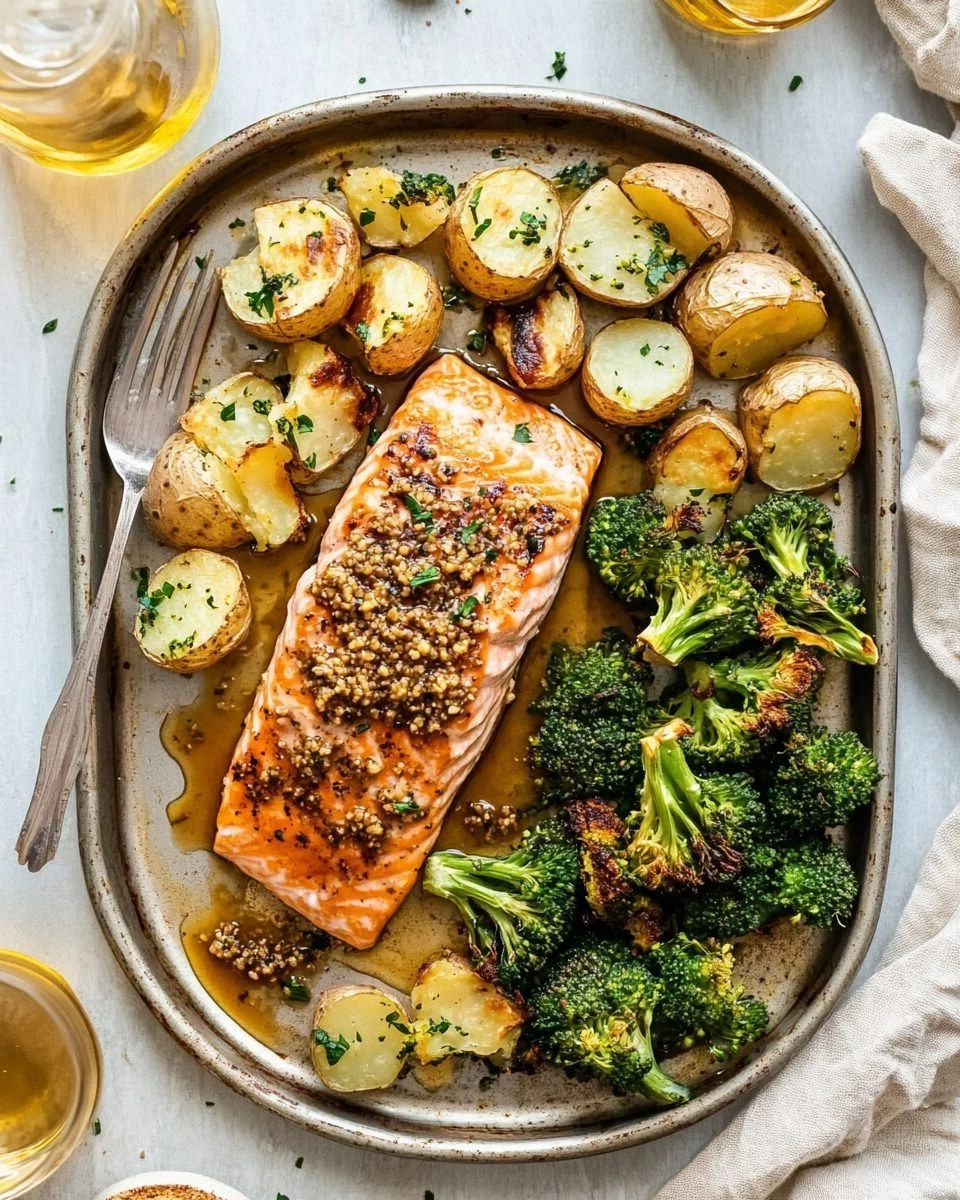
Picture this: the oven hums, the sheet pan glows, and the scent of caramelized honey and sharp mustard rises to mingle with the fresh citrus. The salmon fillets sit like polished gems, their flesh glistening under a glossy glaze. The air tastes slightly sweet, with a hint of garlic and lemon, and when you lift a piece, the juices run like liquid gold. The texture? A crispy exterior that gives way to a tender, flaky interior that practically dissolves. It’s a symphony of flavors, a dance of aromas, and the kind of meal that turns a simple evening into a celebration.
What sets this version apart from every other sheet pan salmon you’ve tried? I’ve tweaked the balance of sweet and savory until it feels like a perfectly tuned instrument. The honey isn’t just a sweetener; it’s a binder that locks in moisture. The Dijon mustard adds depth, a subtle bite that cuts through the richness. A splash of lemon juice brightens everything, and a dash of smoked paprika brings a whisper of earthiness. Even the choice of olive oil matters—medium‑grade gives that silky finish without overpowering. And let’s not forget the garnish: a sprinkle of fresh dill that adds a green pop and a fresh finish. The result is a dish that is both approachable and unforgettable.
But the real twist? I discovered that brushing the salmon with a thin layer of beaten egg before adding the glaze creates an extra‑crisp edge that feels like a secret weapon. That simple step transforms the texture and ensures the glaze adheres perfectly. I dare you to taste this and not go back for seconds. Let me walk you through every single step—by the end, you’ll wonder how you ever made it any other way.
What Makes This Version Stand Out
- Flavor Fusion: The marriage of honey, mustard, and lemon creates a glaze that is sweet, tangy, and savory all at once, a flavor profile that turns ordinary salmon into a headline act.
- Texture Triumph: The combination of a thin egg wash and high‑heat baking produces a crust that snaps like a crisp wafer while keeping the interior moist and flaky.
- Time Efficiency: All the work is done in under 45 minutes, making this a go‑to weeknight dinner that still feels special.
- Ingredient Simplicity: With only a handful of pantry staples and a few fresh items, you can pull this together without a trip to the grocery store.
- Visual Appeal: The golden glaze and the bright green dill garnish make the dish Instagram‑ready, turning a simple plate into a picture‑perfect meal.
- Make‑ahead Friendly: The glaze can be prepared a day ahead, and the salmon can be baked fresh or reheated without losing its charm.
- Health‑Conscious: Packed with omega‑3s, protein, and a balanced amount of carbs, it satisfies both taste buds and nutritional goals.
- Family‑Friendly: The mild, balanced flavors appeal to kids and adults alike, making it a crowd‑pleaser for any gathering.
Alright, let's break down exactly what goes into this masterpiece...
Inside the Ingredient List
The Flavor Base
Honey is the star of the show, providing a natural sweetness that caramelizes beautifully under heat. It’s also a great binder, helping the glaze adhere to the fish and preventing it from drying out. When you add honey, you’re not just sweetening; you’re creating a glossy, almost glass‑like coating that catches the light and makes the dish look as good as it tastes.
Dijon mustard adds a sharp, slightly spicy kick that cuts through the richness of the salmon. Its bright acidity balances the honey’s sweetness and introduces a depth that would be missing if you used a milder mustard. Think of mustard as the secret sauce that elevates the dish from “good” to “unforgettable.”
Lemon zest and juice are essential for brightening the entire flavor profile. The zest brings a citrusy aroma that lingers on the palate, while the juice adds a touch of acidity that keeps the glaze from becoming too heavy. Together, they create a lively contrast that makes each bite feel fresh.
The Texture Crew
Egg whites act as a binder and a crisping agent. When brushed lightly over the salmon before glazing, the egg creates a barrier that traps moisture inside while allowing the glaze to caramelize on the outside. The result is a golden crust that crackles delightfully when you break through it with a fork.
Olive oil is the silent hero that prevents sticking and adds a silky richness. A medium‑grade oil is ideal because it has a mild flavor that won’t overpower the honey and mustard but still contributes to a glossy finish. The oil also helps the glaze spread evenly across the fillets.
The Unexpected Star
Smoked paprika may seem optional, but it adds a subtle, earthy warmth that deepens the overall flavor. If you’re a fan of smoky undertones, sprinkle a light dusting of paprika over the fillets before glazing. It’s an easy way to elevate the dish without adding extra steps.
The Final Flourish
Fresh dill is more than a garnish; it introduces a herbal note that cuts through the sweetness and balances the dish. The green color also provides a vibrant contrast that makes the plate visually striking. If dill isn’t on hand, parsley works as a suitable substitute, though the flavor profile will shift slightly.
Everything's prepped? Good. Let's get into the real action...
The Method — Step by Step
- Preheat the Oven: Set your oven to 425°F (220°C). The high heat is crucial for achieving that caramelized glaze without overcooking the salmon. While the oven warms, line a baking sheet with parchment paper or a silicone mat to keep the fish from sticking.
- Prepare the Salmon: Pat the fillets dry with paper towels. This step is often overlooked but essential; a dry surface ensures the glaze adheres properly. Season each fillet lightly with salt and pepper on both sides to enhance the natural flavors.
- Create the Glaze: In a small bowl, whisk together 2 tablespoons of honey, 2 tablespoons of Dijon mustard, the zest of one lemon, 1 tablespoon of olive oil, 2 minced garlic cloves, and the juice of half a lemon. The mixture should be smooth and slightly runny, ready to coat the fish.
- Egg Wash Trick: Beat one large egg white until frothy. Lightly brush the egg over each fillet, focusing on the edges. This thin layer will act as a sealant, preventing the glaze from slipping off and creating a crisp exterior.
- Apply the Glaze: Spoon the glaze over the fillets, ensuring each piece is fully coated. If you’re using smoked paprika, sprinkle a light dusting over the glazed fillets now. The glaze should cling to the fish, forming a glossy sheen.
- Bake: Place the fillets on the prepared baking sheet, skin side down if applicable. Bake for 12–15 minutes, or until the salmon flakes easily with a fork and the glaze has caramelized into a slightly thickened, glossy coating. Keep a close eye; the glaze can go from perfect to burnt in a matter of minutes.
- Finish with Fresh Herbs: Once out of the oven, immediately sprinkle fresh dill over the hot fillets. The heat will release the dill’s aroma, creating an inviting fragrance that enhances the dish’s overall appeal.
- Serve: Plate the salmon on warmed bowls or plates, allowing the glaze to drizzle over the sides. Pair with a light side like quinoa, roasted asparagus, or a crisp green salad to balance the richness.
- Optional Touch: For an extra burst of flavor, squeeze a bit of fresh lemon juice over the finished dish. This brightens the glaze and adds a final zing.
That's it — you did it. But hold on, I've got a few more tricks that'll take this to another level. Keep reading for insider tips, variations, and storage hacks that will keep this dish fresh and exciting.
Insider Tricks for Flawless Results
The Temperature Rule Nobody Follows
Many cooks bake salmon at a lower temperature, thinking it will keep the fish moist. However, 425°F is the sweet spot that caramelizes the glaze while sealing in juices. If your oven runs hot, use a lower rack to prevent the glaze from burning.
Why Your Nose Knows Best
The aroma of honey and mustard is a powerful cue that the glaze is ready. When you smell the caramelization, you can trust that the fish is perfectly cooked. Trust your nose, not just the timer.
The 5-Minute Rest That Changes Everything
Letting the salmon rest for five minutes after baking allows the juices to redistribute, keeping the flesh moist and tender. Don’t rush to plate; a brief pause makes a noticeable difference.
The Egg Wash Secret
If you’re nervous about the glaze slipping off, try whisking a tablespoon of water into the beaten egg. This creates a lighter coating that adheres better and still provides that crisp finish.
The Garnish Game
A sprinkle of toasted pine nuts or a drizzle of olive oil can add texture and depth. Experiment with different herbs to find your personal favorite.
The Quick Cooling Trick
If you’re prepping for a party, bake the salmon, let it cool, then refrigerate. When you’re ready to serve, reheat in a low oven at 350°F for 5 minutes. The glaze will soften just enough to be irresistible.
Creative Twists and Variations
This recipe is a playground. Here are some of my favorite ways to switch things up:
Citrus Burst Variation
Swap the lemon for a mix of orange zest and lime juice. The bright, zesty notes give the dish a tropical vibe, perfect for summer gatherings.
Asian Fusion Twist
Replace the Dijon mustard with a splash of soy sauce and a teaspoon of sesame oil. Add a drizzle of sriracha for heat. This version feels like a sushi roll in a pan.
Herb Garden Edition
Incorporate fresh basil, thyme, and oregano into the glaze. The aromatic herbs create a Mediterranean feel, and the salmon pairs beautifully with a tomato‑based side.
Smoky BBQ Spin
Add a tablespoon of your favorite BBQ sauce to the glaze and sprinkle smoked paprika generously. The result is a smoky, sweet, and savory salmon that feels like a backyard grill.
Mediterranean Delight
Use a blend of olive oil, capers, and sun‑dried tomatoes in the glaze. The briny capers and sweet tomatoes bring a burst of Mediterranean flavor that’s both unexpected and delightful.
Pesto Perfection
Replace the honey with a spoonful of basil pesto. The green, garlicky pesto adds a fresh, herbaceous layer that contrasts nicely with the salmon’s natural richness.
Storing and Bringing It Back to Life
Fridge Storage
Cool the cooked salmon to room temperature, then place it in an airtight container. Store in the refrigerator for up to 2 days. The glaze will stay glossy, and the fish will remain moist.
Freezer Friendly
Wrap each fillet individually in parchment paper, then place them in a freezer bag. Freeze for up to 3 months. When ready to use, thaw overnight in the refrigerator.
Best Reheating Method
Reheat in a 350°F oven for 5–7 minutes, or until warmed through. Before reheating, splash a teaspoon of water over the salmon to create steam, which prevents the fish from drying out and restores the glaze’s sheen.
Add a tiny splash of water before reheating — it steams back to perfection, keeping the texture buttery and the glaze glossy. This trick is a lifesaver for busy weeknights.