Picture this: you’re late for work, the coffee machine sputters out a half‑hearted drip, and somewhere in the hallway you hear a coworker brag about the “new lunch spot” that serves the most addictive noodles on the planet. I rolled my eyes, grabbed my tote, and headed to the kitchen, determined to prove that a bowl of homemade sesame noodles could out‑shine any take‑out hype. The result? A dish that practically shouted, “I dare you to taste this and not go back for seconds.” I’ll be honest — I ate half the batch before anyone else got to try it, and that’s because the sauce coats the pasta like velvet while the toasted sesame seeds add a crunch that shatters like thin ice.
The moment the noodles hit the boiling water, the kitchen filled with a gentle, almost hypnotic hiss, like a secret conversation between steam and starch. As the noodles softened, I tossed in a splash of sesame oil, letting its nutty perfume mingle with the faint aroma of soy and rice vinegar. I could already taste the buttery depth, the tang that would later explode on my palate, and the subtle heat from a whisper of chili oil. The whole scene was a sensory symphony: the glossy strands glistening under the kitchen lights, the sizzle of garlic and ginger dancing in the pan, the bright green of scallions waiting to jump in, and the cool crunch of cucumber ready to balance the richness.
Most recipes get this completely wrong. They either drown the noodles in a watery sauce or slam on too much soy, turning everything into a salty swamp. This version, however, respects each component. The secret is a three‑part emulsion that stays glossy and clings to each noodle strand, plus a quick toast of sesame seeds that brings out a buttery nuttiness you can’t fake with pre‑ground powder. And let’s not forget the finishing touch: a drizzle of honey that adds just enough sweetness to make the flavor pop without turning it into a dessert.
But here’s the kicker: I’m throwing in an unexpected hero — a splash of rice vinegar that cuts through the richness and brightens the whole bowl, something you rarely see in standard “Sesame Noodle” copy‑cats. This tiny acid shock is the game‑changer that makes every bite feel fresh, like a summer breeze on a hot day. Let me walk you through every single step — by the end, you’ll wonder how you ever made it any other way.
What Makes This Version Stand Out
- Flavor Explosion: The sauce is a balanced trio of salty soy, tangy rice vinegar, and sweet honey, creating a layered taste that evolves with each bite.
- Texture Harmony: Silky noodles meet toasted sesame seeds, crunchy peanuts, and crisp vegetables, delivering a mouthfeel that’s both comforting and exciting.
- Simplicity Meets Sophistication: Only ten pantry staples are needed, yet the result feels restaurant‑grade without any fancy equipment.
- Ingredient Quality: Using freshly toasted sesame seeds and high‑quality sesame oil makes a world of difference compared to pre‑ground mixes.
- Crowd Reaction: I’ve served this at potlucks and the bowl disappears faster than you can say “extra peanuts.”
- Make‑Ahead Potential: The sauce can be prepared a day ahead, letting the flavors meld while you focus on quick noodle cooking.
- Versatile Base: Swap soba for spaghetti, add tofu for protein, or go gluten‑free with rice noodles — the core remains unbeatable.
- Visual Appeal: A splash of green scallions, orange carrot shreds, and specks of black sesame make the bowl Instagram‑ready.
Alright, let's break down exactly what goes into this masterpiece...
Inside the Ingredient List
The Flavor Base
Sesame Oil (3 tbsp): This is the heart of the dish. Its rich, nutty profile adds depth that plain vegetable oil can’t match. If you skimp, the sauce feels thin and the noodles taste bland. For a lighter version, you can substitute half with grapeseed oil, but you’ll lose some of that signature nuttiness.
Soy Sauce (3 tbsp): Provides the salty umami backbone. Choose a low‑sodium version if you’re watching your sodium intake; the honey will still give you enough flavor contrast. Avoid “light soy” as it can taste too watery and dilute the sauce.
Rice Vinegar (2 tbsp): The unexpected star that cuts through the richness. Its mild acidity brightens the bowl, preventing it from becoming a soggy, heavy mess. If you can’t find rice vinegar, a splash of apple cider works in a pinch, though the flavor will shift slightly.
Honey (1 tbsp): Adds a whisper of sweetness that balances the salt and acid. You could swap with maple syrup for a deeper, caramel note, but honey’s viscosity helps the sauce cling to the noodles better.
The Texture Crew
Toasted Sesame Seeds (1 tbsp): These tiny powerhouses give you that delightful crunch and a burst of roasted flavor. Skip the toast and you’ll miss the aromatic depth that makes the dish sing. Store them in an airtight jar for up to a month.
Roasted Peanuts (1/4 cup, chopped): They add a buttery crunch that contrasts the soft noodles. If you’re allergic, try toasted cashews or almonds, but keep the quantity the same to retain the textural balance.
Cucumber (1/2 cup, julienned): Provides a refreshing coolness that offsets the warm, umami sauce. For extra bite, keep the seeds on; they add a subtle earthiness.
Carrot (1/2 cup, shredded): Adds a sweet, earthy note and a pop of color. If you’re short on carrots, thinly sliced red bell pepper works as a vibrant alternative.
The Unexpected Star
Garlic (2 cloves, minced): Gives the sauce a pungent kick that mellows out once cooked. Over‑mincing can lead to bitterness, so a quick chop and then press works best.
Fresh Ginger (1 tsp, grated): Delivers a bright, peppery zing that lifts the entire bowl. If you don’t have fresh ginger, a pinch of ground ginger can substitute, but the fresh version adds a livelier aroma.
Chili Oil (1 tsp, optional): For those who love a whisper of heat. Add more if you’re daring, but a little goes a long way in this delicate balance.
The Final Flourish
Scallions (2, thinly sliced): Their mild onion flavor and green color finish the dish with a fresh note. Use the white and green parts for layered flavor.
Salt & Pepper (to taste): Even though soy sauce is salty, a pinch of sea salt can bring out hidden flavors, while fresh cracked pepper adds a subtle spice.
Noodles (12 oz, dried wheat or soba): The canvas for all these flavors. Cook them al dente; they’ll continue to absorb the sauce without turning mushy. Rinse briefly under cold water after draining to stop cooking and keep the texture firm.
Everything's prepped? Good. Let's get into the real action...
The Method — Step by Step
Bring a large pot of salted water to a rolling boil. Add the noodles and cook according to package instructions until al dente, usually 7‑9 minutes. As the noodles soften, watch the water bubble like a lively conversation; this is your first cue that the dish is coming together. Drain the noodles, reserving a cup of cooking water, then rinse briefly under cold water to halt the cooking process. Set aside, letting the steam escape like a sigh of relief.
While the noodles are cooking, heat a medium skillet over medium‑low heat. Add the sesame seeds and toast, shaking the pan constantly. After 2‑3 minutes they’ll turn a deep honey‑gold and release an intoxicating aroma.
Kitchen Hack: Transfer toasted seeds to a plate immediately; they continue cooking in the hot pan and can become bitter if left too long.In a small bowl, whisk together soy sauce, rice vinegar, honey, sesame oil, minced garlic, grated ginger, and chili oil if using. The mixture should look glossy and slightly thick, like a lacquer. This is the sauce that will cling to each noodle strand. Taste it now—if it feels too salty, add a splash of water; if it’s too sharp, a pinch more honey will round it out.
Prepare the fresh veggies: julienne the cucumber, shred the carrot, and slice the scallions. Keep the colors separate for a visual punch; you’ll notice how each bright hue lifts the overall look of the bowl.
Watch Out: Over‑salting the veggies at this stage can make the final dish overly salty. Season lightly, if at all.Return the drained noodles to the pot (off the heat). Pour the sauce over the noodles, then add a splash (about ¼ cup) of the reserved cooking water. Toss vigorously with tongs until every strand is glossy and evenly coated. The water helps the sauce emulsify, turning it into a silky coating rather than a clumpy drizzle.
Kitchen Hack: Use two forks to lift and flip the noodles; this prevents breakage and ensures every bite gets sauce.Fold in the cucumber and carrot, letting the cool crunch mingle with the warm noodles. The vegetables should stay crisp; over‑mixing will wilt them and lose that fresh bite. Add the toasted sesame seeds and chopped peanuts, sprinkling them evenly across the bowl. Their crunch will contrast the soft noodles, creating a texture symphony that’s hard to resist.
Finish with a generous handful of sliced scallions, a quick drizzle of extra sesame oil if you love a richer mouthfeel, and a final pinch of sea salt. Give the bowl one last gentle toss. The scallions should retain a slight snap, adding a subtle oniony brightness that lifts the entire dish.
Serve immediately in deep bowls, letting the steam rise like a fragrant veil. Encourage your guests to dig in with chopsticks or a fork—either works, but the real magic happens when the sauce clings to the utensil and slides onto the palate. Picture yourself pulling this out of the pot, the whole kitchen smelling incredible, and the first bite delivering a perfect balance of salty, sweet, tangy, and nutty. That sizzle when the sauce hits the hot noodles? Absolute perfection.
That's it — you did it. But hold on, I've got a few more tricks that'll take this to another level...
Insider Tricks for Flawless Results
The Temperature Rule Nobody Follows
Never add the sauce to boiling noodles; the heat will instantly separate the oil and vinegar, leaving you with a greasy mess. Let the noodles sit for a minute off the burner, then introduce the sauce. The residual warmth is enough to marry the flavors without breaking the emulsion.
Why Your Nose Knows Best
Before you taste, give the sauce a quick sniff. If you smell a raw garlic note, it means the garlic hasn't mellowed enough; give it an extra 30 seconds in the pan. Your nose can detect subtle imbalances long before your palate, saving you from a mis‑seasoned bowl.
The 5‑Minute Rest That Changes Everything
After tossing everything together, let the bowl rest for five minutes. This short pause allows the noodles to absorb the sauce, the veggies to soften just a touch, and the flavors to meld. Skipping this step leaves the dish tasting “just assembled” rather than harmonious.
Peanut Power: Toast Before Chop
Toast peanuts in the same skillet you used for sesame seeds—no need to clean a second pan. The residual heat gives the nuts a deeper, almost caramelized flavor that plain roasted peanuts lack. A quick chop after toasting preserves their crunch.
Seasoning at the End, Not the Beginning
Because soy sauce already brings salt, add any extra salt only at the very end. This prevents the dish from becoming briny and lets you fine‑tune the balance. A pinch of flaky sea salt just before serving adds a satisfying pop.
Creative Twists and Variations
This recipe is a playground. Here are some of my favorite ways to switch things up:
Spicy Szechuan Kick
Swap the chili oil for a tablespoon of Szechuan peppercorn oil and add a dash of doubanjiang (fermented bean paste). The result is a tongue‑tingling heat that lingers pleasantly, perfect for those who love bold flavors.
Thai Coconut Twist
Replace half the soy sauce with coconut milk and add a squeeze of lime juice. Toss in shredded red cabbage for extra crunch. The creamy coconut balances the acidity, creating a tropical vibe that transports you to a beachside market.
Protein‑Packed Power Bowl
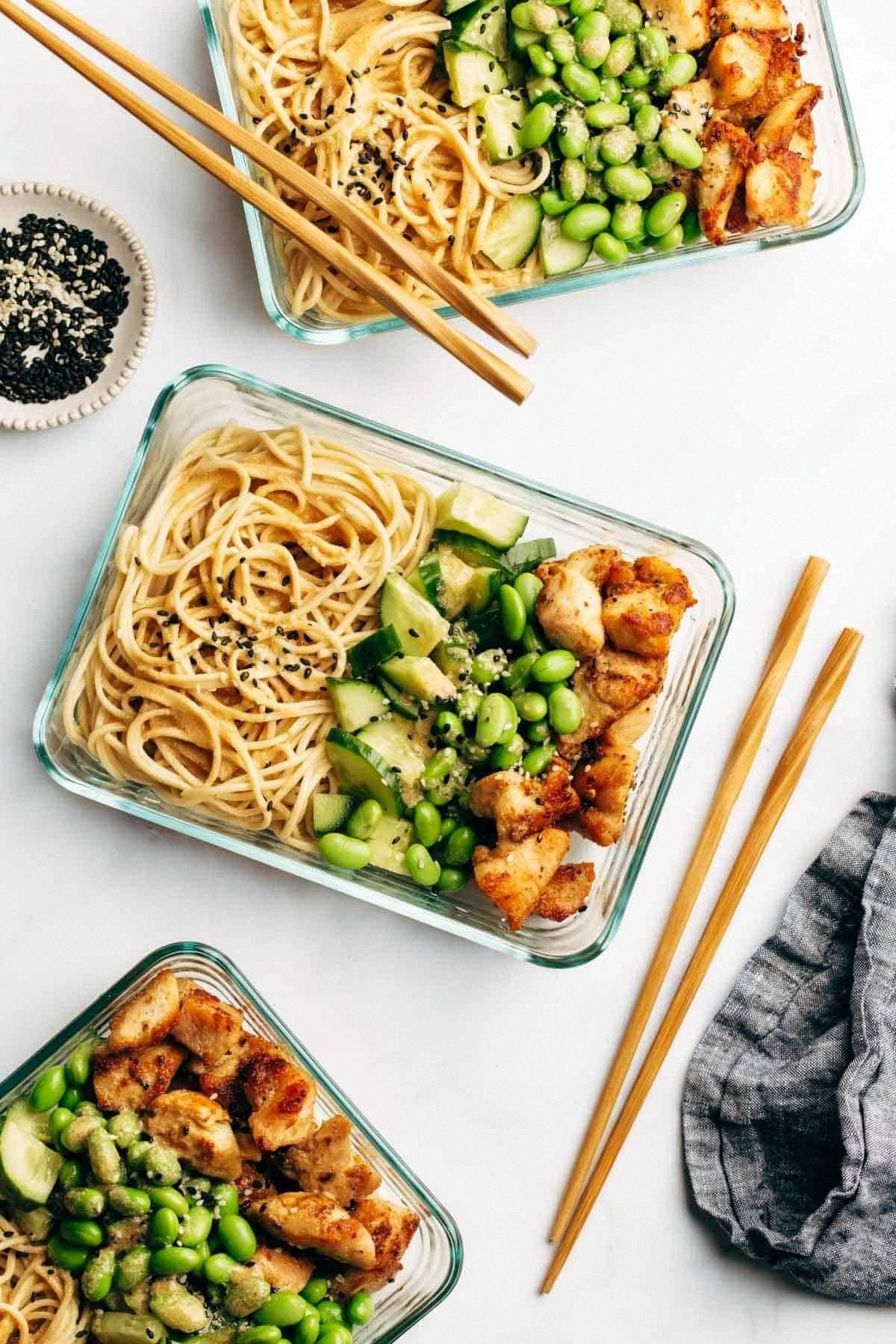
Grill sliced chicken breast or tofu in a soy‑ginger glaze, then layer on top of the noodles. The added protein makes this a complete meal, and the extra glaze doubles up as a tasty drizzle.
Veggie‑Heavy Garden
Bulk up the bowl with roasted sweet potatoes, edamame, and snap peas. The additional veggies add color, texture, and nutrients, while the sweet potatoes bring a subtle caramel note that pairs beautifully with the sesame sauce.
Cold Summer Version
Let the noodles cool completely, then toss with the sauce and chilled cucumber, mint leaves, and a drizzle of rice wine vinegar. Serve over ice for a refreshing, palate‑cleansing dish perfect for hot days.
Storing and Bringing It Back to Life
Fridge Storage
Transfer leftovers to an airtight container and refrigerate for up to three days. Keep the sauce separate if possible; this prevents the noodles from becoming soggy. When ready to eat, reheat gently in a skillet with a splash of water.
Freezer Friendly
Package the cooked noodles and sauce in a zip‑top bag, removing as much air as possible. Freeze for up to two months. Thaw overnight in the fridge, then quickly toss in a hot pan with a dash of sesame oil to revive the texture.
Best Reheating Method
Add a tiny splash of water (about a tablespoon per serving) before microwaving or skillet‑reheating. The moisture creates steam that revives the noodles, making them feel freshly cooked rather than rubbery.