I was standing in my kitchen, arms flailing over a pan that had just exploded with salmon, and I realized I was about to lose my mind. The fish had turned from a silky, buttery delight into a blackened mess, and the only thing left was a ruined dinner and a lingering disappointment. That moment of culinary chaos sparked a fire in me: I needed a recipe that would rescue the salmon, elevate the whole dish, and make me feel like a culinary wizard instead of a kitchen disaster.
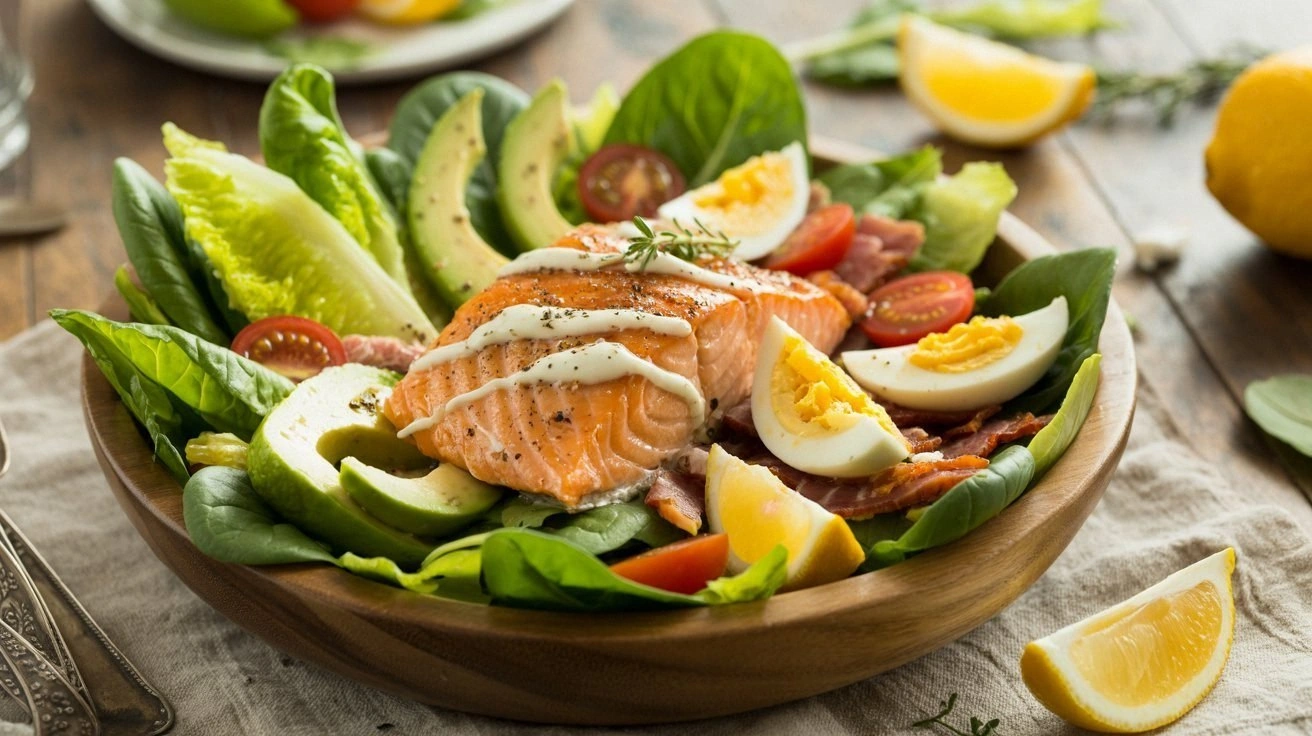
Picture this: the sizzling sound of salmon hitting hot oil, the aroma of fresh spinach sautéed to a faint green glow, the bright pop of cherry tomatoes, and the creamy whisper of feta melting into a velvety dressing. You can almost taste the citrus tang of lemon, feel the crunch of bacon, and hear the gentle crackle of the pan as the edges crisp to a golden perfection. Every element is a symphony of textures and flavors that dance together, creating a dish that feels both comforting and adventurous.
What sets this Salmon Cobb Salad with Spinach apart is that it takes the classic Cobb to a new level of decadence while keeping the preparation straightforward. The key is a perfectly seared salmon that retains its moisture, a dressing that coats every bite like velvet, and a carefully arranged plate that turns every forkful into a visual and gustatory masterpiece. I dare you to taste this and not go back for seconds—once you try it, you’ll wonder how you ever made it any other way.
And there’s a twist you won’t expect: a subtle infusion of citrus zest in the dressing that brightens the whole salad and a secret technique for crisping the bacon just right. This isn’t just a salad; it’s an experience that turns an ordinary dinner into a memorable occasion. Let me walk you through every single step—by the end, you’ll wonder how you ever made it any other way.
What Makes This Version Stand Out
- Flavor: The combination of seared salmon, creamy feta, and zesty lemon dressing creates a layered taste profile that feels both fresh and indulgent.
- Texture: Each bite delivers a contrast—from the tender salmon and silky spinach to the crunchy bacon and crisp cucumber.
- Visual Appeal: The vibrant colors of the tomatoes, olives, and avocado make this dish a feast for the eyes before you even taste it.
- Health‑Friendly: Packed with omega‑3 fatty acids, protein, and leafy greens, it’s a balanced meal that satisfies without compromising nutrition.
- Ease of Prep: While the final plating looks sophisticated, the steps are simple and can be completed in under an hour.
- Make‑Ahead Friendly: The salad can be assembled a day ahead—just keep the dressing separate to preserve crispness.
- Versatility: Swap feta for blue cheese, or add a splash of balsamic glaze for a sweeter note.
- Crowd Reaction: Friends and family will rave about the “wow” factor, making it a perfect choice for dinner parties.
Inside the Ingredient List
The Flavor Base
The salmon is the star of this dish, and its quality directly influences the final flavor. Fresh, wild‑caught salmon offers a richer taste and a firmer texture compared to farmed varieties. If you can’t find wild salmon, opt for the highest quality farmed fish and look for “no added salt” labels to keep the seasoning balanced. Skipping the salmon would turn this into a plain salad; the protein and umami it delivers are essential.
The Texture Crew
Spinach, avocado, and cucumber provide a mix of tender, creamy, and crisp textures that keep each bite interesting. Spinach adds a subtle earthiness, avocado brings buttery smoothness, and cucumber offers a refreshing snap. If you’re short on time, baby spinach is a great shortcut, but regular spinach gives a more substantial bite. Using fresh ingredients is key; wilted greens will lose their crunch and vibrancy.
The Unexpected Star
Feta cheese may seem ordinary, but its briny tang cuts through the richness of the salmon and balances the citrusy dressing. The key to a perfect feta is to crumble it lightly—too much moisture will make the salad soggy. If you prefer a sharper flavor, substitute blue cheese, but keep the salt levels in check. Remember, feta’s saltiness is a powerful flavor enhancer; too little and the dish feels flat.
The Final Flourish
Bacon bits, olives, and a homemade vinaigrette bring the final layers of flavor and texture. Bacon adds smoky depth and a satisfying crunch, while olives contribute a briny punch that complements the feta. The dressing, a mix of olive oil, lemon juice, and a touch of mustard, coats each component, tying everything together. If you’re craving a sweeter profile, a drizzle of honey can replace a bit of the mustard.
Everything’s prepped? Good. Let’s get into the real action.
The Method — Step by Step
- Begin by patting the salmon fillets dry with paper towels. This step is crucial for a crispy sear. Heat a non‑stick skillet over medium‑high heat, add 1 tablespoon of olive oil, and wait until the oil shimmers. Place the salmon skin‑side down and let it cook for 4–5 minutes until the skin turns golden and crisp. Flip carefully and cook for another 3–4 minutes, or until the internal temperature reaches 145°F. The salmon should feel firm to the touch but still yield slightly when pressed. Let it rest on a plate covered with foil for a couple of minutes before slicing.
- While the salmon rests, sauté the spinach. Toss the fresh leaves in the same skillet with a pinch of salt. The residual heat from the salmon will wilt the spinach in about 2 minutes, leaving it bright green and tender. This quick sauté locks in nutrients and prevents the spinach from becoming soggy. Drain excess liquid, then set aside to cool.
- Prepare the dressing. In a small bowl, whisk together 1/2 cup of ranch dressing (or your homemade vinaigrette), 1 tablespoon of olive oil, 1 tablespoon of lemon juice, and a pinch of salt and pepper. The dressing should be smooth and slightly thick—this helps it cling to the salad components. Taste and adjust seasoning if needed. Set aside; the dressing will be added at the end to preserve crunch.
- Now for the bacon. Place the bacon strips in a cold skillet and turn the heat to medium. This method ensures even cooking and reduces grease buildup. Cook until the bacon is crisp, about 8–10 minutes, flipping occasionally. Drain on paper towels and crumble into bite‑sized pieces. Be careful not to overcook—over‑crisp bacon can become brittle and lose flavor.
- Dice the avocado, halve the cherry tomatoes, and chop the cucumber. These ingredients should be fresh and crisp to maintain their distinct flavors. Place them in a large salad bowl and toss gently with a little olive oil and lemon juice to keep them from browning.
- Add the quartered hard‑boiled eggs and sliced red onion to the bowl. The eggs provide protein and a silky texture, while the red onion adds a sharp bite. Toss everything lightly so the flavors mingle without overmixing.
- Layer the salad on plates: start with a bed of spinach, then arrange the salmon slices artfully on top. Sprinkle the crumbled feta, bacon bits, and olives over the salmon. Finally, drizzle the dressing evenly across the entire plate. The visual arrangement should look like a mosaic—each element distinct yet harmonious.
- Serve immediately, or if you’re prepping ahead, keep the dressing separate and add just before serving to preserve the crispness of the greens and bacon. This salad is best enjoyed fresh, but it holds up well for a short time in the fridge.
That's it—you did it. But hold on, I've got a few more tricks that'll take this to another level.
Insider Tricks for Flawless Results
The Temperature Rule Nobody Follows
Cooking salmon at the right temperature is essential for a juicy interior and a crisp exterior. The rule of thumb is to cook it at 400°F for 10–12 minutes, but using a skillet allows you to control heat more precisely. If you notice the salmon sticking, reduce the heat slightly and let the pan heat up again before adding the fish. A quick test is to press the fillet with a finger—if it springs back, it’s ready.
Why Your Nose Knows Best
The aroma of fresh lemon and garlic can signal when the dressing is perfectly balanced. A sharp citrus scent means the lemon juice is fresh, while a mild garlic note indicates the mustard has been properly incorporated. Trust your nose; if the dressing smells off, it’s likely over‑seasoned or too acidic.
The 5‑Minute Rest That Changes Everything
Letting the salmon rest for 5 minutes after cooking allows the juices to redistribute. This simple pause ensures the fillets stay moist and tender, preventing them from drying out when sliced. A friend once skipped this step and ended up with a dry, rubbery fish—don’t make the same mistake.
Layering for Impact
When assembling the salad, start with the greens as the base, then add protein, cheese, and finally the dressing. This order prevents the greens from becoming soggy and keeps each component distinct. Think of it as building a layered cake—each layer must support the next.
Storing the Dressing Separately
If you’re prepping the salad ahead of time, keep the dressing in a small jar or container separate from the rest of the ingredients. Add the dressing right before serving to maintain the crispness of the spinach and bacon. A quick drizzle of olive oil can also help keep the greens from wilting.
Creative Twists and Variations
This recipe is a playground. Here are some of my favorite ways to switch things up:
Mediterranean Spinach Bowl
Swap feta for crumbled goat cheese and add a handful of roasted red peppers. Replace the bacon with grilled halloumi cubes for a vegetarian version that still offers that satisfying chew.
Asian Fusion Salad
Use a sesame ginger dressing instead of ranch, and top the salad with toasted sesame seeds and sliced scallions. Add a dash of soy sauce for umami and replace the olives with pickled cucumber for a tangy crunch.
Summer BBQ Twist
Marinate the salmon in a smoky chipotle sauce before searing. Toss in corn kernels and replace the dressing with a smoky BBQ vinaigrette for a bold, summer‑ready flavor.
Protein‑Packed Power Salad
Add a scoop of quinoa or farro to the bowl for extra fiber and protein. Replace the bacon with grilled shrimp for a lighter, shellfish‑infused version.
Low‑Carb Delight
Omit the cherry tomatoes and cucumber, and instead add a handful of sliced radishes for crunch. Keep the dressing simple with just olive oil and lemon to maintain a low‑carb profile.
Storing and Bringing It Back to Life
Fridge Storage
Store the assembled salad (without dressing) in an airtight container for up to 2 days. Keep the dressing in a separate small jar or bottle. When ready to serve, drizzle the dressing and toss lightly. This method preserves the crispness of the greens and the crunch of the bacon.
Freezer Friendly
Freezing the salad is not recommended due to the delicate greens. However, you can freeze the cooked salmon separately. Reheat in a skillet or microwave, then assemble the salad fresh. This keeps the salmon moist while the rest of the ingredients stay crisp.
Best Reheating Method
If you must reheat the salad, use a quick sauté in a pan with a splash of olive oil to warm the salmon and vegetables without drying them out. Add a tiny splash of water before reheating—this steams the ingredients back to perfection, keeping the spinach tender and the dressing glossy.