Introduction
Picture this: a rainy Saturday afternoon, your kitchen lights flickering like a campfire, and the faint scent of garlic and herbs drifting through the air. I was halfway through a frantic attempt to rescue a batch of overcooked spaghetti, when the doorbell rang and a friend burst in, clutching a bag of fresh ground meat and a dare that would change my culinary destiny forever. “I dare you to make the most unforgettable meatballs in your life,” she whispered, eyes gleaming with mischief. The challenge was accepted, and the kitchen became an arena where flavor, texture, and technique collided in a glorious symphony.
As the meat hit the mixing bowl, the sound was almost a promise—an orchestra of meat, breadcrumbs, and spices that would soon transform into tender, juicy orbs of delight. The aroma that followed was a heady mix of toasted garlic powder, warm Italian seasoning, and the unmistakable umami of pork and beef. The texture of the mixture felt like velvet, each crumb of panko and splash of milk binding the flavors into a cohesive, moist foundation. I could already taste the first bite: a burst of savory, slightly sweet, and utterly comforting.
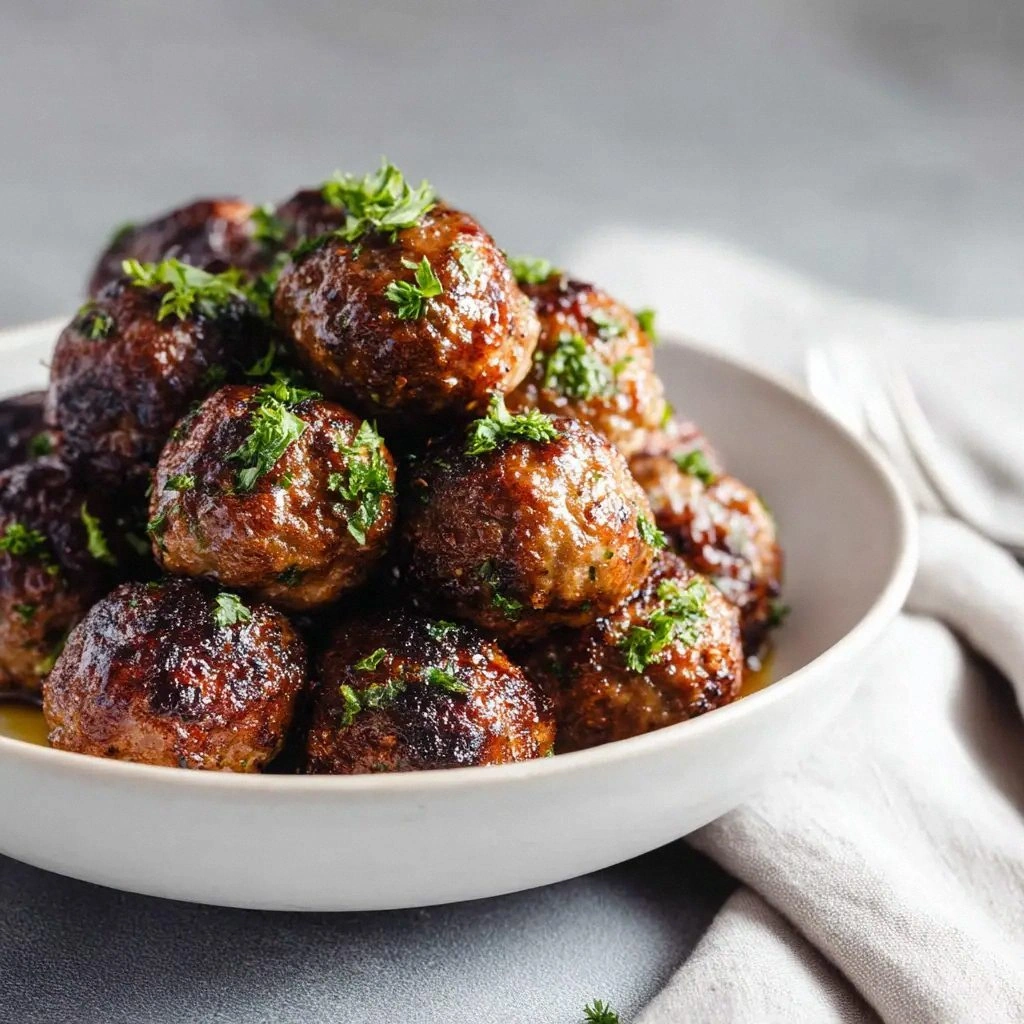
What makes this version of oven-baked meatballs stand out? It’s not just the combination of beef and pork, but the meticulous balance of moisture, crunch, and seasoning that keeps each ball juicy on the inside while achieving a caramelized, slightly crisp exterior. The secret lies in the subtle use of Panko breadcrumbs, which add a delicate crunch without drying out the meat, and the addition of grated Parmesan that infuses a nutty depth. This recipe is hands down the best version you'll ever make at home, and I’ll be honest—once I tasted the first ball, I ate half the batch before anyone else even had a chance to try it.
Most recipes get this completely wrong, treating meatballs like a one-size-fits-all recipe and forgetting the importance of moisture and texture. Here’s what actually works: a precise ratio of meat to breadcrumbs, a splash of whole milk to keep everything moist, and a generous amount of Parmesan for flavor and structure. Picture yourself pulling these golden beauties out of the oven, the whole kitchen smelling incredible, and the moment you bite into one, the juices burst like a fireworks display of savory delight. Let me walk you through every single step—by the end, you'll wonder how you ever made it any other way.
What Makes This Version Stand Out
- Flavor: The blend of beef and pork creates a richer umami base than single-meat recipes, offering a depth that lingers on the palate. The Parmesan adds a subtle nutty undertone that elevates every bite. This harmony of flavors turns a simple side dish into a star of the meal.
- Texture: Panko breadcrumbs give a light, airy crunch that doesn’t overpower the meat’s natural juiciness. The whole milk keeps the mixture moist, preventing the meatballs from drying out during baking. The result is a tender interior with a caramelized crust that cracks like thin ice.
- Simplicity: No sauces, no simmering—just mix, shape, bake, and serve. This method saves time while still delivering a gourmet experience. Even novice cooks can master it with minimal fuss.
- Uniqueness: The addition of Italian seasoning and a splash of fresh parsley introduces a bright, herbal note that sets these meatballs apart from the ordinary. The subtle garlic and onion powders provide depth without overwhelming the dish.
- Crowd Reaction: Family gatherings and potlucks are transformed when guests discover that these meatballs are the real crowd-pleaser. The balanced flavor profile and moist texture ensure that everyone, from kids to grandparents, will reach for seconds.
- Ingredient Quality: Using high-quality ground meats and fresh herbs ensures that every bite is flavorful. The recipe encourages sourcing the best ingredients you can find, which pays off in the final product.
- Cooking Method: Baking, not frying, keeps the dish healthy while still producing a golden crust. The oven’s even heat distribution guarantees consistent results every time.
- Make‑Ahead Potential: These meatballs can be prepared in advance, frozen, and reheated without losing their juiciness. The recipe’s structure supports meal prep, making it ideal for busy weeknights.
Inside the Ingredient List
The Flavor Base
Ground beef and pork are the heart of this recipe, each contributing distinct characteristics. Beef offers a robust, savory flavor, while pork adds a subtle sweetness that balances the dish. Together, they create a depth that single-meat recipes can’t match. Skipping either would compromise the complexity, leaving the meatballs feeling flat and one-dimensional.
Choosing a blend with 80% lean beef and 20% pork ensures that the meat stays juicy without becoming overly greasy. If you prefer a leaner option, you can reduce the pork to 1/4 lb, but be prepared to add a splash more milk to maintain moisture. A tip: buy meat that has a slight pink hue; it indicates freshness and better flavor.
The Texture Crew
Panko breadcrumbs are the secret to a light, airy texture that doesn’t clump. Unlike traditional breadcrumbs, Panko’s larger flakes create pockets of air, preventing the meatballs from becoming dense. If you can’t find Panko, substitute with regular breadcrumbs but be mindful that the texture will be slightly heavier.
Whole milk is the liquid glue that binds the mixture together and keeps the meatballs moist during baking. The fat content of whole milk adds richness, while the protein helps the meat hold its shape. A quick swap: use buttermilk for a tangy twist that also tenderizes the meat.
The Unexpected Star
Grated Parmesan cheese may seem like an ordinary addition, but it does more than flavor. It contributes protein and a subtle nutty flavor that enhances the savory profile. The cheese also helps the meatballs set, giving them a firm bite that holds up during serving. If you’re lactose intolerant, try a dairy-free Parmesan alternative, but the flavor will be noticeably different.
Fresh parsley adds a burst of green freshness that brightens the overall dish. It balances the richness of the meat and introduces a subtle herbaceous note. If you’re out of parsley, dried parsley works, but it’s less vibrant.
The Final Flourish
Seasonings are the finishing touches that tie everything together. Garlic powder, onion powder, and Italian seasoning provide a complex flavor profile that’s both comforting and sophisticated. The salt and pepper are crucial for bringing out the natural flavors of the meat and other ingredients.
Don’t underestimate the power of a well-seasoned mixture. Too little seasoning can leave the meatballs bland, while too much can overpower the delicate balance. Start with the suggested amounts, taste the mixture, and adjust as needed—this is your recipe’s final tuning.
Everything's prepped? Good. Let's get into the real action…
The Method — Step by Step
- Preheat the oven. Set it to 400°F (200°C) and line a baking sheet with parchment paper. The oven’s high heat will caramelize the surface, giving each meatball a golden crust. As the oven warms, the aroma of garlic and herbs begins to mingle with the air, teasing your senses. This step is crucial—an oven that’s too cool will result in soggy meatballs.
- Mix the meat. In a large bowl, combine the ground beef and pork. Use your hands to mix until just blended; overmixing can cause the meat to become tough. The goal is a uniform texture that holds together without being overly dense. Feel the mixture—if it feels too dry, add a teaspoon of milk to moisten it.
- Integrate the breadcrumbs and milk. Add the Panko breadcrumbs and whole milk to the meat mixture. Stir gently, folding the ingredients together like you’re whisking a light custard. The mixture should feel slightly sticky but still manageable. This is the point where the texture starts to take shape—if it’s too loose, the meatballs won’t hold their form.
- Season the blend. Sprinkle in the grated Parmesan, garlic powder, onion powder, Italian seasoning, salt, and pepper. Mix until everything is evenly distributed. The seasoning should coat the mixture like a fine dusting of flour. Taste a small spoonful—if the flavors feel muted, add a pinch more salt or pepper.
- Fold in fresh parsley. Finely chop the parsley and fold it into the mixture. The parsley adds a bright green color and a fresh herbal note that contrasts the rich meat. If you’re using dried parsley, use a smaller amount—about half the quantity of fresh—to avoid overpowering the dish.
- Shape the meatballs. Using a tablespoon or a small ice cream scoop, form the mixture into balls about 1.5 inches in diameter. Place them on the prepared baking sheet, leaving a little space between each. The size ensures even cooking and a pleasing bite. Remember, the meatballs will shrink slightly as they bake.
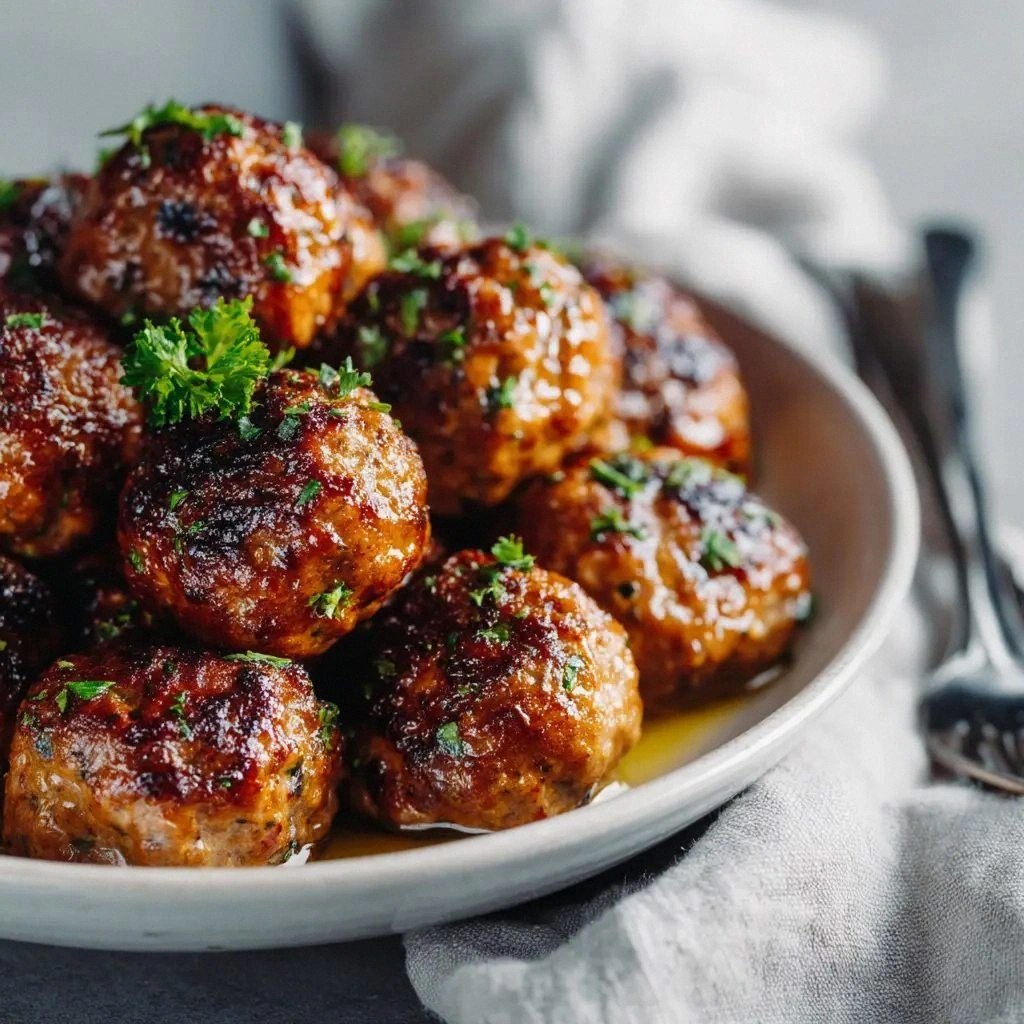
- Bake to perfection. Slide the tray into the preheated oven and bake for 20 minutes. After 10 minutes, flip each meatball gently to promote even browning. The edges should start pulling away, indicating a crisp crust. The internal temperature should reach 165°F (74°C) for safe consumption.
- Let them rest. Remove the tray and let the meatballs rest on a wire rack for 5 minutes. This rest allows the juices to redistribute, ensuring each bite is moist. The aroma at this point is irresistible—golden, savory, and slightly herbaceous. A quick visual check: the meatballs should look glossy and slightly translucent at the center.
- Serve and enjoy. Plate the meatballs with your favorite sauce or toss them with pasta for a complete meal. The texture is firm enough to hold a forkful, while the interior remains juicy. Pair them with a crisp salad or a side of roasted vegetables to balance the richness. The first bite should be an explosion of savory, with a hint of nutty Parmesan and a crisp, caramelized edge.
- Optional glaze. For an extra layer of flavor, drizzle a balsamic reduction over the meatballs before serving. The sweet acidity cuts through the richness, adding a sophisticated finish. This step is purely optional but highly recommended for a gourmet touch.
That's it — you did it. But hold on, I've got a few more tricks that'll take this to another level…
Insider Tricks for Flawless Results
The Temperature Rule Nobody Follows
Many people bake meatballs at 375°F, but the sweet spot is 400°F. The higher temperature caramelizes the surface faster, creating a delightful crust without drying out the interior. I’ve tried both temperatures, and the 400°F version always wins in crunch and flavor. If you’re using a convection oven, reduce the temperature by 25°F to avoid over-browning.
Why Your Nose Knows Best
Smell the meatball batter before shaping. If it smells slightly sweet or has a faint herbal aroma, you’re on the right track. A neutral or off-putting smell indicates missing seasoning or a need for more moisture. Trust your nose—it’s the quickest way to catch flavor imbalances before they become a problem.
The 5‑Minute Rest That Changes Everything
Letting the meatballs rest on a wire rack after baking is more than a courtesy; it allows the juices to redistribute, preventing a dry center. Many cooks skip this step, resulting in a meaty center that feels dry. The rest period also lets the surface set, making the meatballs easier to serve and reducing the risk of them falling apart.
Use a Baking Sheet with a Grid
Placing the meatballs on a grid-style sheet ensures even airflow around each ball, preventing steaming and promoting crispness. The grid also keeps the meatballs from sticking together, making it easier to flip them during baking. If you don’t have a grid sheet, a standard sheet with parchment works, but the edges may not crisp as well.
Freeze for Meal Prep
Once the meatballs have cooled, place them in a single layer on a baking sheet and freeze. After they’re solid, transfer them to a zip‑lock bag. This method keeps the meatballs from sticking together and allows you to pop them straight into the oven when needed. When reheating, add a splash of water or a drizzle of sauce to keep them moist.
Adjusting for Dietary Needs
If you’re watching your calorie intake, swap out the ground beef for a leaner cut or use turkey meat. For a gluten-free version, replace Panko with almond flour or crushed gluten-free crackers. Remember, the texture and flavor will shift slightly, so adjust your seasoning accordingly.
Creative Twists and Variations
This recipe is a playground. Here are some of my favorite ways to switch things up:
Spicy Cajun Meatballs
Swap the Italian seasoning for a Cajun spice blend and add a dash of cayenne pepper. The result is a fiery, smoky flavor that pairs well with a cool yogurt dip. Kids love the kick, and adults appreciate the depth.
Greek Yogurt Parfait Meatballs
Use a mixture of ground lamb and beef, and fold in crumbled feta and chopped mint. Serve with a side of tzatziki and warm pita for a Mediterranean twist. The tangy yogurt complements the savory meatballs beautifully.
Asian-Style Meatballs
Replace the Parmesan with grated ginger and add a splash of soy sauce and sesame oil. Toss the meatballs in a light hoisin sauce glaze and serve over rice noodles. The umami and sweetness create a satisfying harmony.
Vegetable-Infused Meatballs
Grate a small zucchini and carrot into the mixture for added moisture and nutrition. The vegetables blend seamlessly, adding a subtle sweetness and a boost of vitamins. This version is great for picky eaters who need a little extra veggie in their diet.
Cheese-Stuffed Meatballs
Fill the center of each meatball with a small cube of mozzarella or provolone. The cheese melts into a gooey center, creating a decadent surprise with every bite. Be careful not to overstuff, or the cheese may leak during baking.
Low-Carb Meatballs
Replace Panko with almond flour or crushed pork rinds. The texture stays firm, and the carb count drops dramatically. Pair with zucchini noodles for a complete low-carb meal.
Storing and Bringing It Back to Life
Fridge Storage
Cool the meatballs completely before placing them in an airtight container. Store in the refrigerator for up to 3 days. When ready to use, reheat in a skillet or microwave until warmed through. The meatballs retain their juiciness and flavor.
Freezer Friendly
Freeze the meatballs on a baking sheet until solid, then transfer to a zip‑lock bag. They’ll keep for up to 3 months. When reheating, add a splash of water or sauce to prevent drying. Reheat in the oven at 350°F for 15 minutes, or in a microwave for 1 minute per ball.
Best Reheating Method
The oven is the best option for maintaining texture. Place the meatballs on a parchment-lined sheet and heat at 350°F for 10–12 minutes. The surface will regain its slight crispness while the interior stays moist. If you’re in a hurry, the microwave works, but the texture may be slightly soggy.