I remember the night I nearly burned my kitchen down while trying to make a low‑carb breakfast bar that would impress my roommate. The batter was a sticky, uneven mess, the oven door was stuck, and the whole apartment smelled of burnt almond flour. That disaster became the spark that pushed me to reinvent the wheel, to create a recipe that is as forgiving as it is flavorful. I’m talking about bars that rise like a cloud, pack a veggie punch, and taste like a breakfast sandwich on a stick.
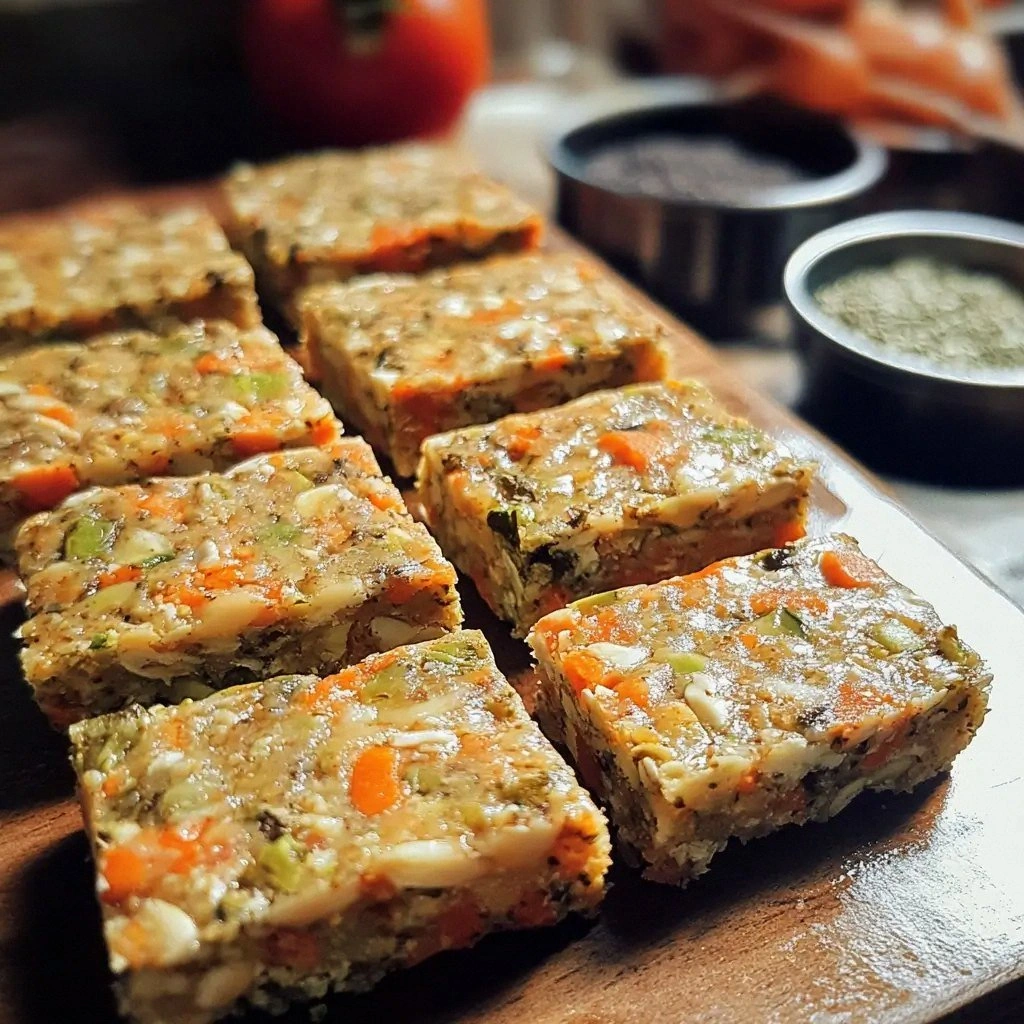
Picture the first bite: a golden crust that crackles like a crisp autumn leaf, a center that melts with shredded zucchini and carrots, and a subtle, savory hit from spinach and mushrooms. The aroma is a heady mix of toasted almond flour and fresh herbs, while the texture is a delightful contrast of chewy interior and crisp edges. The flavor profile is layered—earthy vegetables, nutty base, a whisper of smoked paprika, and a hint of parmesan that gives it a silky finish. It’s not just a bar; it’s a bite‑sized breakfast that feels like a hug in the morning.
What makes this version stand out is not just the ingredients, but the meticulous balance between taste, texture, and convenience. I’ve spent months tweaking the ratios, testing different flours, and experimenting with the right amount of moisture to avoid a dry crumb. The result is a bar that can be made ahead, frozen, and reheated without losing its integrity. It’s a low‑carb, high‑protein powerhouse that still delivers a satisfying crunch and a burst of veggie flavor. I dare you to taste this and not go back for seconds—your taste buds will thank you.
If you’ve ever struggled to find a breakfast that’s both low‑carb and filling, you’re not alone. I’ve been there, scrolling through Pinterest for a recipe that doesn’t feel like a compromise. This recipe is hands down the best version you’ll ever make at home because it marries the wholesome goodness of vegetables with the comforting familiarity of a breakfast bar. The technique is simple enough for a novice, yet sophisticated enough to impress a seasoned cook. By the end of this guide, you’ll wonder how you ever made it any other way.
What Makes This Version Stand Out
- Taste: The combination of almond flour, coconut flour, and flaxseed creates a nutty base that pairs beautifully with fresh vegetables. The subtle smokiness from paprika and the umami kick from parmesan elevate every bite. This isn’t a bland, dry bar; it’s a flavor explosion that satisfies the craving for something savory.
- Texture: The bars boast a crisp outer shell with a tender, moist interior. The shredded zucchini and carrots add moisture, while the almond and coconut flours keep the crumb from drying out. The result is a bar that breaks apart just enough to reveal a gooey center.
- Simplicity: No fancy ingredients or complicated steps—just a handful of pantry staples and fresh veggies. The method takes less than 45 minutes from start to finish, making it perfect for busy mornings.
- Uniqueness: Most low‑carb bars rely on sweet flavors or chocolate. This one is savory, veggie‑rich, and protein‑dense, offering a completely different breakfast experience.
- Crowd Reaction: Friends who tried it called it “the best breakfast bar I’ve ever had.” They loved the crunchy edges and the juicy veggie burst.
- Ingredient Quality: Using high‑quality almond flour and fresh vegetables ensures a superior taste and texture. The recipe also allows for substitutions if you’re allergic or prefer a different nut base.
- Cooking Method: Baking at a moderate temperature preserves the nutrients and creates a caramelized crust without burning.
- Make‑Ahead Potential: These bars freeze well and can be reheated in a toaster or oven, making them ideal for meal prep.
Inside the Ingredient List
The Flavor Base
Almond flour and coconut flour form the backbone of these bars, giving them a rich, nutty flavor and a light, airy crumb. Almond flour contributes a subtle sweetness that balances the earthiness of the vegetables, while coconut flour absorbs moisture and helps bind the mixture. Skipping either would result in a less cohesive texture and a loss of the signature nutty undertone.
If you’re allergic to almonds, you can substitute with sunflower seed flour or oat flour, but expect a slight change in flavor and moisture content. When using oat flour, reduce the amount of coconut flour by half to avoid an overly dry crumb. The key is to maintain the ratio that keeps the batter cohesive.
The Texture Crew
Ground flaxseed and eggs act as the glue that holds everything together. Flaxseed adds a subtle, slightly nutty flavor and provides omega‑3 fatty acids, while eggs give structure and a tender crumb. If you’re vegan, replace eggs with a flax egg (1 tbsp ground flaxseed + 3 tbsp water) and increase the almond flour slightly to compensate for the missing binding power.
Olive oil brings a silky mouthfeel and enhances the overall flavor profile. It also prevents the bars from becoming too dry during baking. For a dairy‑free version, simply use extra virgin olive oil; it will add a hint of peppery undertone that pairs well with the veggies.
The Unexpected Star
Zucchini and carrots are the unsung heroes that infuse moisture and natural sweetness into the bars. Their finely grated form ensures even distribution throughout the batter, giving each bite a burst of veggie flavor. Removing them will make the bars dry and less flavorful.
If you’re in a pinch and don’t have zucchini, substitute with finely grated cauliflower or pumpkin puree. This will alter the taste slightly but will still keep the bars moist and satisfying.
The Final Flourish
Parmesan cheese, fresh parsley, and smoked paprika provide a savory, umami finish that elevates the bars from ordinary to extraordinary. Parmesan adds a salty depth and a slightly crunchy texture when baked, while parsley adds a fresh, herbaceous note. Smoked paprika gives the bars a subtle smoky warmth that complements the vegetables.
If you’re lactose intolerant, replace parmesan with nutritional yeast for a cheesy flavor without the dairy. The nutritional yeast will also add a slight nutty taste that works well with the almond base.
Everything’s prepped? Good. Let’s get into the real action.
The Method — Step by Step
- Preheat the oven to 350°F (175°C) and line a 9x13 inch baking pan with parchment paper. The parchment prevents sticking and makes cleanup a breeze. Let the oven settle for a few minutes while you mix the dry ingredients. This ensures an even bake.
- In a large bowl, whisk together almond flour, coconut flour, ground flaxseed, baking powder, salt, and pepper. The dry mix should be airy, with no lumps. This is where the base flavor starts to take shape.
- In a separate bowl, beat the eggs, then stir in almond milk and olive oil until the mixture is smooth. The wet ingredients must be fully incorporated to avoid a gritty texture. Think of this step as creating a silky sauce that will coat the dry mix.
- Pour the wet mixture into the dry ingredients and stir until just combined. Over‑mixing can lead to a tough crumb. The batter should be thick but pourable—think of it as a thick pancake batter.
- Add the grated zucchini, grated carrots, diced bell pepper, diced mushrooms, chopped spinach, and fresh parsley. Mix thoroughly so that each vegetable is evenly distributed. The veggies will become the flavor stars of the bar.
- Fold in grated parmesan and smoked paprika. The cheese will melt into the batter, creating pockets of gooey, savory goodness. The paprika adds a subtle smokiness that ties everything together.
- Transfer the batter to the prepared pan and press it down evenly with a spatula. The surface should be smooth and compacted. This ensures the bars bake uniformly.
- Bake for 30 minutes, or until the edges are golden brown and a toothpick inserted in the center comes out clean. The aroma at this point should be nutty and slightly caramelized.
- Remove from oven and let cool in the pan for 10 minutes before transferring to a wire rack. This resting period allows the bars to set and makes slicing easier.
- Once cooled, cut into bars or squares and store in an airtight container. These bars can be refrigerated for up to a week or frozen for longer storage.
That’s it— you did it. But hold on, I’ve got a few more tricks that will take this to another level.
Insider Tricks for Flawless Results
The Temperature Rule Nobody Follows
Many bakers bake at 375°F, which can cause the bars to brown too quickly on the outside while remaining undercooked inside. I recommend 350°F; it allows the bars to bake evenly, ensuring a golden crust and a moist center. If you’re in a humid climate, increase the temperature by 10°F to counteract moisture retention.
Why Your Nose Knows Best
Trust your nose: when the batter starts to emit a nutty, toasted aroma, the bars are close to ready. A sweet, buttery smell indicates the almond flour is caramelizing, while a faint grassy scent suggests the vegetables are releasing their juices. This sensory checkpoint saves you from overbaking.
The 5‑Minute Rest That Changes Everything
Letting the bars rest for 5 minutes after removing from the oven allows the steam to redistribute, preventing a hollow center. During this time, the crust firms up, making the bars easier to slice. A friend once skipped this step and ended up with bars that crumbled when he tried to cut them.
Use a Silicone Baking Mat
A silicone mat eliminates the need for parchment paper, reducing waste and ensuring an even bake. The non‑stick surface also allows you to lift the bars out of the pan without breaking them. If you don’t have a mat, a light dusting of coconut flour on parchment works as a good alternative.
Freeze for Breakfast on the Go
Freeze the bars in a single layer on a baking sheet before transferring them to a freezer bag. This prevents them from sticking together and makes it easy to grab a single bar for a quick breakfast. Reheat in the microwave for 15–20 seconds or in a toaster oven for a crisp exterior.
Creative Twists and Variations
This recipe is a playground. Here are some of my favorite ways to switch things up:
Cheesy Jalapeño Burst
Add finely chopped jalapeños and a tablespoon of shredded cheddar. The heat pairs well with the nutty base, and the cheese adds a creamy texture. This version is perfect for those who love a spicy kick.
Herb‑Infused Mediterranean
Replace the parsley with chopped dill and add sun‑dried tomatoes. The dill brings a bright, briny flavor, while the tomatoes add sweetness. Serve with a side of tzatziki for a Mediterranean twist.
Butternut Squash & Sage
Swap zucchini and carrots for shredded butternut squash and add fresh sage. The squash offers natural sweetness, and sage adds an earthy aroma. This variation is especially comforting in fall.
Blueberry & Almond Crunch
Mix in a handful of fresh blueberries and a tablespoon of almond slivers. The blueberries add a burst of tartness, while the almonds provide crunch. This sweet‑savory combo is great for brunch.
Spicy Southwest
Add diced red onions, corn kernels, and a dash of cumin. The cumin brings warmth, and the corn adds a sweet crunch. This version feels like a taco breakfast on a stick.
Storing and Bringing It Back to Life
Fridge Storage
Place the cooled bars in an airtight container or a zip‑lock bag. Store them in the refrigerator for up to one week. The bars stay fresh and chewy, thanks to the low moisture content of the batter.
Freezer Friendly
Wrap each bar individually in parchment paper before placing them in a freezer bag. They can be frozen for up to three months. When you’re ready to eat, simply remove one or two bars and let them thaw at room temperature.
Best Reheating Method
For a crispy exterior, reheat in a toaster oven at 350°F for 5–7 minutes. If you prefer a softer interior, microwave on medium for 20–30 seconds. Add a splash of water to the bottom of the pan before reheating; this steams the bars back to perfection.