I remember the night it all began. My kitchen was a battlefield: a pot of noodles, a stray slice of beef, and a bottle of soy sauce that had been left open too long. The noodles were overcooked, the beef was underseasoned, and the entire dish felt like a culinary shrug. I stared at the mess and thought, “I can do better.” That moment of culinary frustration became the spark that lit my obsession with Korean beef noodles.
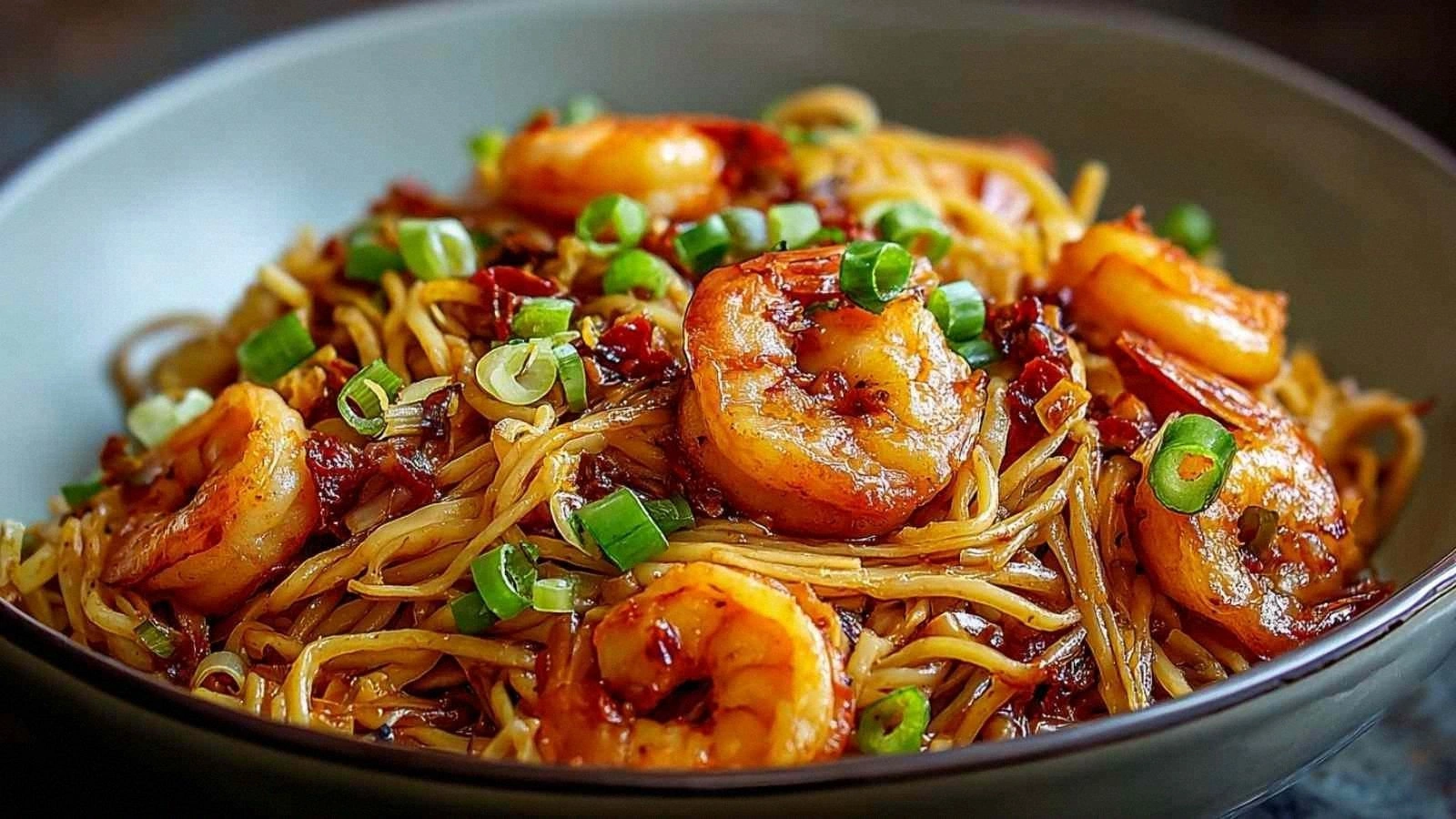
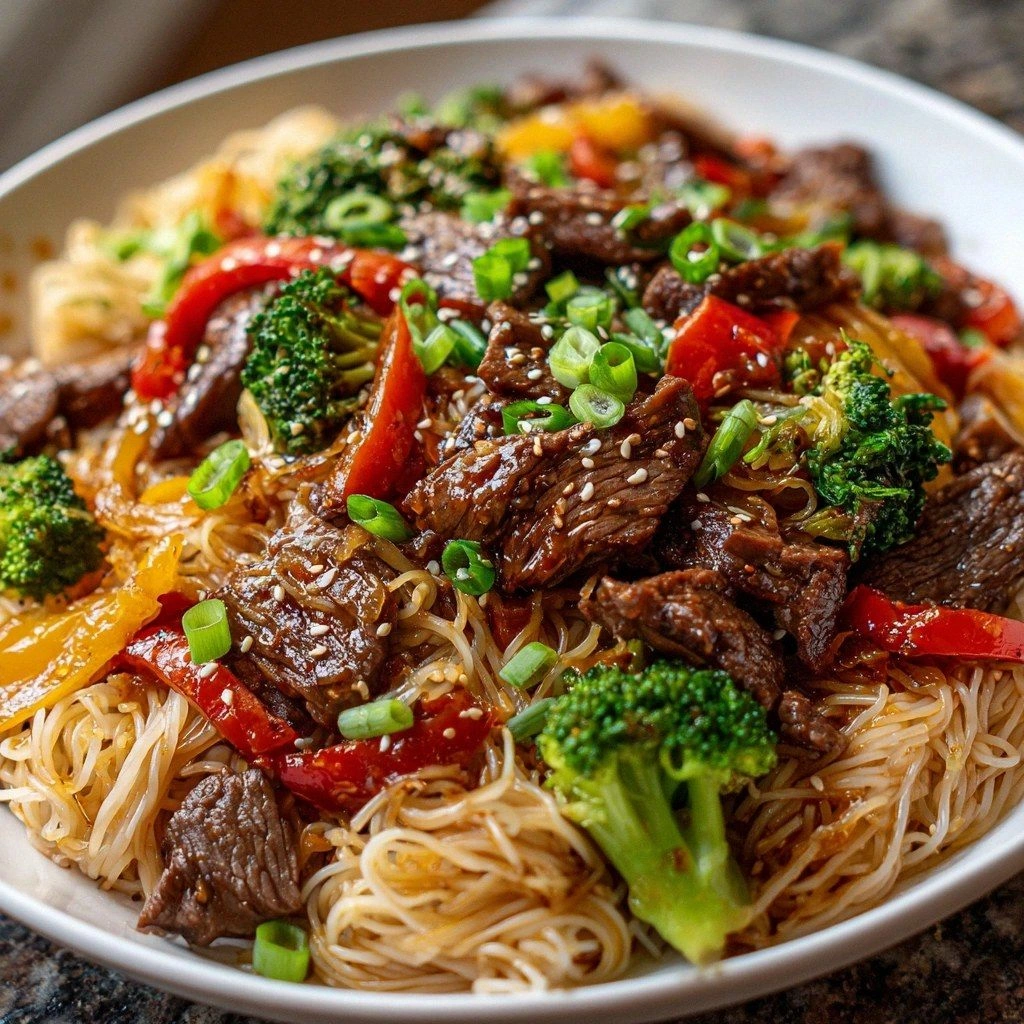
Picture this: a pan sizzling with a thin film of sesame oil, garlic and ginger dancing in the heat, and a splash of gochujang that turns the air itself into a spicy perfume. The beef sizzles with a satisfying crackle, releasing a deep, savory aroma that makes you forget the overcooked noodles of last night. As the sauce thickens, it coats every strand of noodle, turning them into silky ribbons that cling to the tangy, umami-packed glaze. The vegetables—crisp broccoli, sweet bell pepper, and bright green onions—add pops of color and texture that make each bite a sensory adventure.
What makes this version of Korean beef noodles stand out is the balance of bold flavors and meticulous technique. I’ve spent hours tweaking the ratio of soy sauce to gochujang, mastering the art of searing the beef just right, and ensuring the noodles absorb the sauce without becoming mushy. Every element is calibrated: the beef is thinly sliced for quick cooking, the noodles are pre-soaked to prevent sticking, and the sauce is reduced to a glossy finish that lingers on your tongue. I dare you to taste this and not go back for seconds. It’s not just a dish; it’s a revelation.
If you’ve ever tried a generic “Korean beef noodle” recipe that ends up bland or soggy, this is hands down the best version you’ll ever make at home. The secret? A simple yet powerful technique of searing the beef in a hot pan, then deglazing with a splash of soy sauce and gochujang, and finishing with a splash of sesame oil that brings a nutty finish. I’ll be honest—once I had a batch that looked like a noodle soup, I ate half before anyone else could get a bite. That’s the proof that when the flavors hit, you can’t resist.
Picture yourself pulling this out of the pan, the whole kitchen smelling incredible, and the steam curling like a cloud of savory clouds. The noodles shine with a glossy sheen, the vegetables pop with crunch, and the beef glistens with a caramelized crust. That sizzle when it hits the pan? Absolute perfection. Stay with me here—this is worth it. Let me walk you through every single step — by the end, you'll wonder how you ever made it any other way.
What Makes This Version Stand Out
- Flavor: The sauce is a harmonious blend of umami, heat, and sweetness, coating the noodles like velvet.
- Texture: The beef is seared to a caramelized crust while the noodles remain al dente, creating a delightful contrast.
- Speed: Every step can be done in under 45 minutes, making it a perfect weeknight dinner.
- Ingredient Quality: Fresh, high-quality beef and fresh ginger give the dish depth that pre-made sauces can't match.
- Make‑ahead: The sauce can be prepared a day ahead and reheated with a splash of water, preserving flavor.
- Versatility: Swap out the protein or veggies for whatever you have on hand without compromising taste.
- Crowd‑Pleaser: The dish is spicy enough for heat lovers yet balanced with savory notes, so it satisfies all palates.
- Visual Appeal: The vibrant colors of bell pepper, broccoli, and green onions make it Instagram‑ready.
Alright, let's break down exactly what goes into this masterpiece...
Inside the Ingredient List
The Flavor Base
Soy sauce, the cornerstone of Korean cuisine, provides a salty, umami backbone that deepens every bite. It’s the unsung hero that brings depth to the sauce, creating a savory canvas for the heat of gochujang. If you’re using low‑sodium soy sauce, add a pinch of sugar or honey to balance the saltiness. Skipping soy sauce turns the dish into a flat, uninspired noodle bowl.
Gochujang, the Korean chili paste, is the secret sauce that gives this dish its signature kick. It’s not just hot; it’s sweet, fermented, and slightly smoky, adding layers of complexity. If you can’t find gochujang, a mix of Sriracha and a touch of honey can mimic its flavor profile, though it won’t be as authentic.
Sesame oil, a small drizzle of this nutty oil, elevates the dish with a toasty aroma that lingers on the palate. It’s the final flourish that ties all components together. Too much, however, can overpower the delicate balance, so use it sparingly.
The Texture Crew
Rice noodles are the star of the show, soaking up the sauce while maintaining a firm bite. They’re gluten‑free, making this dish accessible to a wider audience. If you prefer a chewier texture, try using thicker wheat noodles or ramen strands.
Broccoli florets and bell pepper add a satisfying crunch that contrasts the silky noodles. They also contribute a burst of color, making the dish visually enticing. If you’re out of broccoli, snap peas or green beans can be great substitutes.
Green onions provide a fresh, crisp finish that cuts through the richness of the beef and sauce. They’re also a great source of vitamins and add a subtle oniony zing. A pinch of toasted sesame seeds can replace or complement them for an extra crunch.
The Unexpected Star
Garlic and ginger are more than flavor boosters; they’re aromatics that awaken the senses. The garlic’s sharpness balances the sweetness of gochujang, while the ginger’s warmth adds a gentle heat that lingers. If you’re not a fan of raw ginger, you can lightly sauté it to mellow its bite.
The Final Flourish
Salt and pepper are essential for seasoning, but they’re the subtle touches that bring everything together. A pinch of salt at the end of cooking can brighten flavors, while freshly ground pepper adds a finishing heat. Remember, the seasoning should be balanced—too much salt can drown the delicate flavors of the sauce.
Everything's prepped? Good. Let's get into the real action...
The Method — Step by Step
- Step 1: Prep the Beef. Slice 1.5 lbs of beef sirloin into thin strips against the grain. This ensures tenderness and quick cooking. Season the beef lightly with salt and pepper, then set aside. The key is to keep the slices thin—think the thickness of a credit card—so they sear fast and stay juicy. I’ve found that marinating for 10 minutes in a splash of soy sauce can add extra depth, but it’s optional.
- Step 2: Cook the Noodles. Bring a large pot of salted water to a rolling boil. Add 12 oz of rice noodles and cook for 3–4 minutes until they’re just al dente. Drain and rinse under cold water to stop the cooking process. Toss the noodles with a tablespoon of sesame oil to prevent sticking; this also gives them a subtle nutty aroma. Set aside and keep warm.
-
Step 3: Sauté Aromatics. Heat 2 tablespoons of sesame oil in a large skillet over high heat. Add 3 minced garlic cloves and 1 tablespoon grated ginger, sautéing for 30 seconds until fragrant. The aroma should be sharp and inviting. Keep the heat high so the aromatics don’t brown too quickly, which would create bitterness. Kitchen Hack: If you’re short on time, use pre-minced garlic and pre-grated ginger from the grocery store; it saves minutes without sacrificing flavor.
- Step 4: Brown the Beef. Increase the heat to medium‑high and add the seasoned beef strips to the skillet. Sear the beef in batches to avoid crowding, ensuring each piece gets a caramelized crust. Cook for 2–3 minutes per batch until browned. The beef should release a rich brown color and a savory aroma. Be careful not to overcook; we want it tender, not dry.
-
Step 5: Build the Sauce. Reduce the heat to medium, then pour in 1/4 cup soy sauce, 2 tablespoons gochujang, and a splash of water to thin the mixture slightly. Stir until the gochujang fully dissolves, creating a glossy, thick sauce. Let it simmer for 2–3 minutes until the sauce reduces and intensifies. The sauce should coat the back of a spoon. Watch Out: If you add too much water, the sauce will become thin and lose its richness. Keep the reduction to a minimum.
-
Step 6: Toss the Noodles. Add the drained noodles to the skillet, tossing them in the sauce until each strand is coated. The noodles should look glossy and slightly translucent. If the mixture seems dry, add a tablespoon of water or broth to rehydrate. Kitchen Hack: For an extra umami boost, sprinkle a teaspoon of toasted sesame seeds over the noodles before serving.
- Step 7: Add Vegetables. Stir in 1 cup broccoli florets and 1 cup sliced bell pepper, cooking for 2–3 minutes until the veggies are tender yet crisp. The broccoli should retain a vibrant green hue, and the pepper should stay slightly firm. The vegetables add crunch and a pop of color that makes the dish visually stunning. If you prefer softer veggies, add them earlier in the process.
- Step 8: Finish with Green Onions. Remove the skillet from heat and sprinkle 3 chopped green onions over the dish. Toss gently to distribute the onion flavor evenly. The green onions provide a fresh, crisp finish that cuts through the richness of the sauce. The final dish should look like a vibrant, glossy bowl ready to be devoured.
- Step 9: Serve. Plate the noodles in shallow bowls or a large serving platter. Drizzle a few drops of sesame oil on top for that final nutty aroma. Serve immediately while the noodles are warm and the sauce is still glossy. If you’re a fan of extra heat, add a sprinkle of crushed red pepper flakes or a drizzle of extra gochujang.
That's it — you did it. But hold on, I've got a few more tricks that'll take this to another level...
Insider Tricks for Flawless Results
The Temperature Rule Nobody Follows
Many cooks keep the pan at a steady medium heat, but the secret to a perfect sear is starting at high heat and then lowering it. Start with a very hot skillet to get a good crust on the beef, then reduce to medium to finish cooking without drying out. I once tried cooking everything at medium and ended up with a soggy dish. The temperature shift is the difference between a good bowl and a great bowl.
Why Your Nose Knows Best
Before you taste, check the aroma. A well‑balanced sauce should smell sweet, savory, and slightly spicy. If it smells overly fishy or metallic, the soy sauce is probably too salty. Trust your nose; it’s a better judge of seasoning than a taste test alone.
The 5‑Minute Rest That Changes Everything
After cooking, let the noodles sit in the skillet for 5 minutes. This resting period allows the sauce to redistribute evenly and the flavors to meld. It also prevents the noodles from sticking together when plated. I’ve found this trick turns a decent dish into a memorable one.
Keep the Sauce Thick, Not Thin
If you notice the sauce thinning as you add the noodles, add a teaspoon of cornstarch slurry (cornstarch mixed with a little cold water). Stir quickly to avoid clumps. The result is a glossy, clingy sauce that clings to every noodle strand.
Use Fresh Ingredients for the Best Flavor
Fresh garlic, ginger, and green onions make a noticeable difference. If you’re using frozen broccoli, thaw it first and squeeze out excess moisture. A dry surface ensures the broccoli crispens slightly when sautéed, adding that satisfying crunch.
Stir Constantly While Adding Noodles
Stirring keeps the noodles from sticking together and ensures even coating. It also helps the sauce cling to each strand. I’ve learned that a quick, continuous stir is a simple habit that pays off big time.
Creative Twists and Variations
This recipe is a playground. Here are some of my favorite ways to switch things up:
Spicy Kimchi Twist
Add a cup of chopped kimchi during the vegetable step for an extra kick and probiotic boost. The kimchi’s tangy flavor complements the gochujang, making the dish even more authentic.
Protein Swap: Shrimp Edition
Replace beef with peeled shrimp for a lighter, seafood version. Shrimp cooks in just 2 minutes and pairs wonderfully with the spicy sauce.
Vegan Version
Use tofu or tempeh instead of beef and skip the sesame oil for a plant‑based twist. Add a splash of vegetable broth to keep the noodles moist.
Sweet & Smoky
Add a tablespoon of smoked paprika and a drizzle of maple syrup for a sweet, smoky flavor profile that’s surprisingly balanced with the gochujang heat.
Low‑Carb Variation
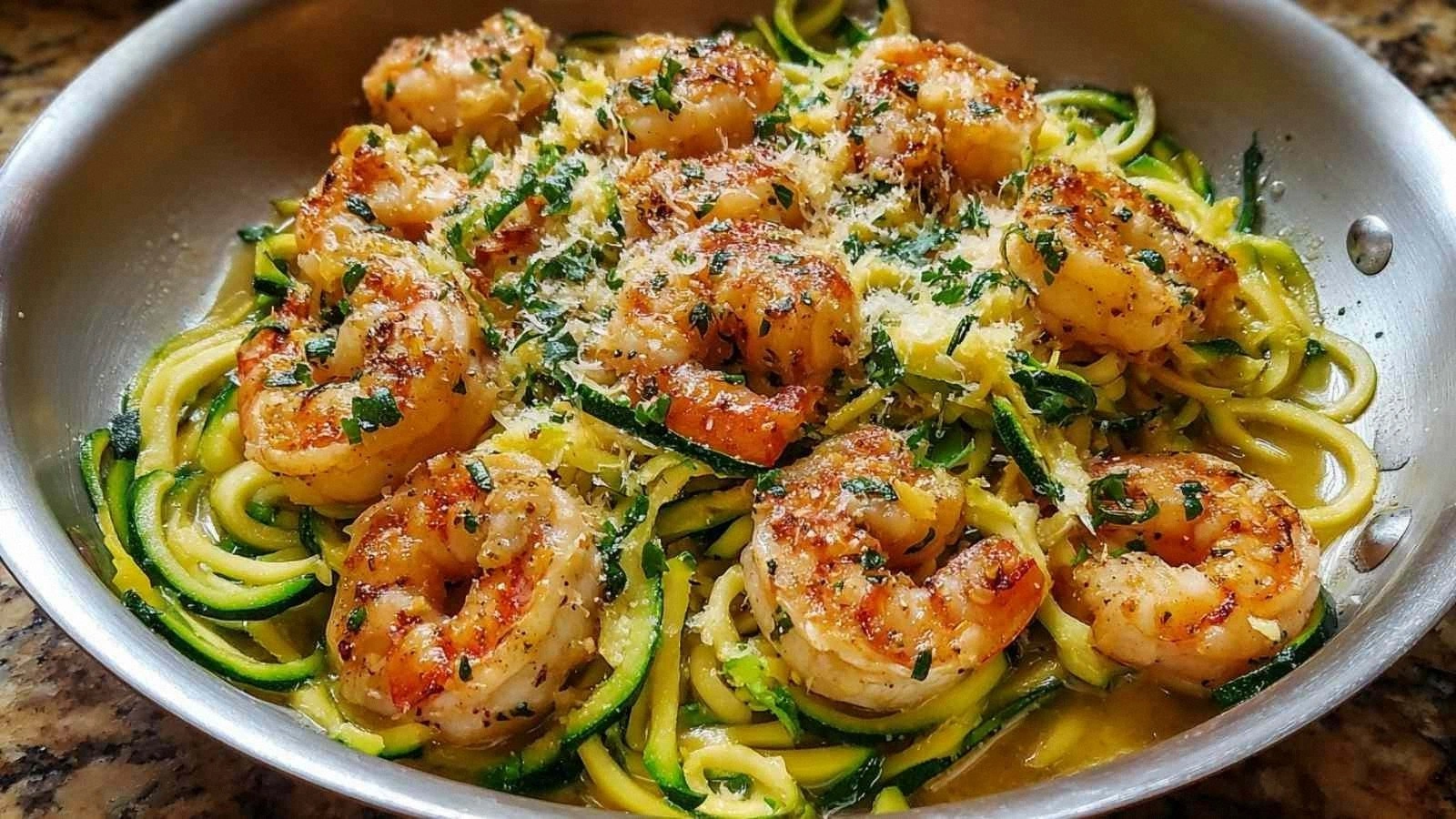
Swap rice noodles for spiralized zucchini or shirataki noodles. The dish remains flavorful, and the carb count drops significantly.
Breakfast Bowl
Serve the noodles over a bed of scrambled eggs and top with a fried egg. The yolk adds richness and makes the dish a hearty breakfast.
Storing and Bringing It Back to Life
Fridge Storage
Store the cooked noodles in an airtight container in the refrigerator for up to 3 days. The sauce may thicken, so add a splash of water or broth when reheating to restore the original consistency. Keep the beef and vegetables separate until reheating to maintain texture.
Freezer Friendly
Freeze the dish in portioned containers for up to 2 months. Thaw overnight in the refrigerator before reheating. Reheat in a skillet over medium heat, adding a splash of water, until hot throughout.
Best Reheating Method
The skillet method preserves texture best. Warm a non‑stick pan over medium heat, add the dish, and stir until heated through. The residual heat keeps the noodles from becoming mushy. A quick splash of water or broth will keep the sauce from drying out.