Picture this: you’re standing in a cramped kitchen, a frantic friend has dared you to cook a dish that will impress a crowd, and the clock is ticking. You open the fridge, pull out a bag of fresh squid, and your stomach growls louder than the sizzling pan you’re about to heat. The moment the olive oil hits the heat, a faint, almost metallic scent wafts through the air—this is the scent of ambition, the scent of a recipe that’s about to rewrite your culinary expectations. I’ve spent countless evenings fumbling with seafood, and I can’t keep this secret to myself any longer.
This Keto Garlic Squid isn’t just another seafood dish; it’s a symphony of flavors that hits every note from the first bite to the last. The garlic isn’t just an ingredient; it’s the backbone that gives the squid a smoky, almost charred depth that’s impossible to ignore. The butter adds a velvety richness that melts into the tender meat, while the lemon juice injects a bright, citrusy punch that cuts through the buttery sweetness. And let’s not forget the parsley—fresh, green, and utterly essential for that final burst of herbaceous freshness.
What makes this version stand out is that it’s engineered to be both low-carb and incredibly forgiving. I’ve trimmed the recipe down to the essentials, eliminating unnecessary steps that usually derail even the most seasoned cooks. The result? A dish that’s quick, simple, and, most importantly, flavor-packed. I dare you to taste this and not go back for seconds. Trust me, your taste buds will be begging for more.
By the time you finish reading this post, you’ll have a complete, step-by-step roadmap to creating a dish that will have your friends raving and your stomach humming. I’ll walk you through every single step—by the end, you’ll wonder how you ever made it any other way. Let’s dive in.
What Makes This Version Stand Out
- Flavor: The combination of garlic, butter, and lemon creates a taste profile that is both bold and balanced. The garlic’s pungency is tempered by the citrus, while the butter provides a silky finish.
- Texture: The squid is cooked to a perfect al dente consistency—tender yet slightly firm, with a subtle chew that keeps each bite interesting.
- Simplicity: Fewer ingredients mean fewer steps and less chance for error. This recipe requires only a handful of tools and a single skillet.
- Uniqueness: The smoky paprika and red pepper flakes add a subtle heat that sets this dish apart from standard garlic shrimp or plain sautéed squid.
- Crowd Reaction: This dish is a guaranteed conversation starter at dinner parties. The aroma alone will have people gathering around the kitchen.
- Ingredient Quality: Fresh, high-quality squid is the cornerstone; the better the squid, the better the final taste.
- Cooking Method: A single-pan sauté keeps the process efficient and the cleanup minimal.
- Make‑Ahead Potential: While it’s best served fresh, you can prepare the sauce ahead of time and reheat it gently with the squid to preserve flavor.
Alright, let’s break down exactly what goes into this masterpiece…
Inside the Ingredient List
The Flavor Base
The foundation of this dish is built around a simple yet powerful combination of olive oil, garlic, and butter. Olive oil provides a high-heat cooking medium that keeps the squid from sticking, while the garlic infuses the oil with a deep, aromatic sweetness. Butter, added later, enriches the sauce and gives the squid a glossy finish. If you skip the butter, the dish will still be tasty but will lack that silky mouthfeel. For a subtle twist, try using coconut oil instead of olive oil; it adds a hint of tropical flavor that pairs wonderfully with the lemon.
The Texture Crew
Fresh squid is the star, but its texture is equally important. Choose squid that feels firm to the touch and has a bright, slightly translucent appearance. If the squid is slimy or has a strong “fishy” odor, it’s past its prime. Rinsing it under cold water and patting it dry will help it sear nicely. A pinch of salt and a dash of pepper before cooking helps the squid develop a caramelized crust that’s both flavorful and visually appealing.
The Unexpected Star
Smoked paprika is the secret ingredient that elevates this dish from ordinary to extraordinary. It adds a subtle smokiness that complements the natural sweetness of the squid and balances the sharpness of the garlic. If you’re not a fan of paprika, you can substitute it with a pinch of cayenne pepper for heat, or omit it entirely for a milder version. The key is to use a high-quality paprika to avoid any bitter undertones.
The Final Flourish
Lemon juice and zest bring brightness and acidity that cut through the richness of the butter and the natural sweetness of the squid. Fresh parsley adds a burst of color and a herbaceous finish that ties all the flavors together. A splash of water or a few drops of fish sauce can be added if you want to deepen the umami profile. If you’re looking for a vegan version, replace the butter with a plant-based alternative and use a non-dairy lemon butter sauce.
Everything's prepped? Good. Let's get into the real action…
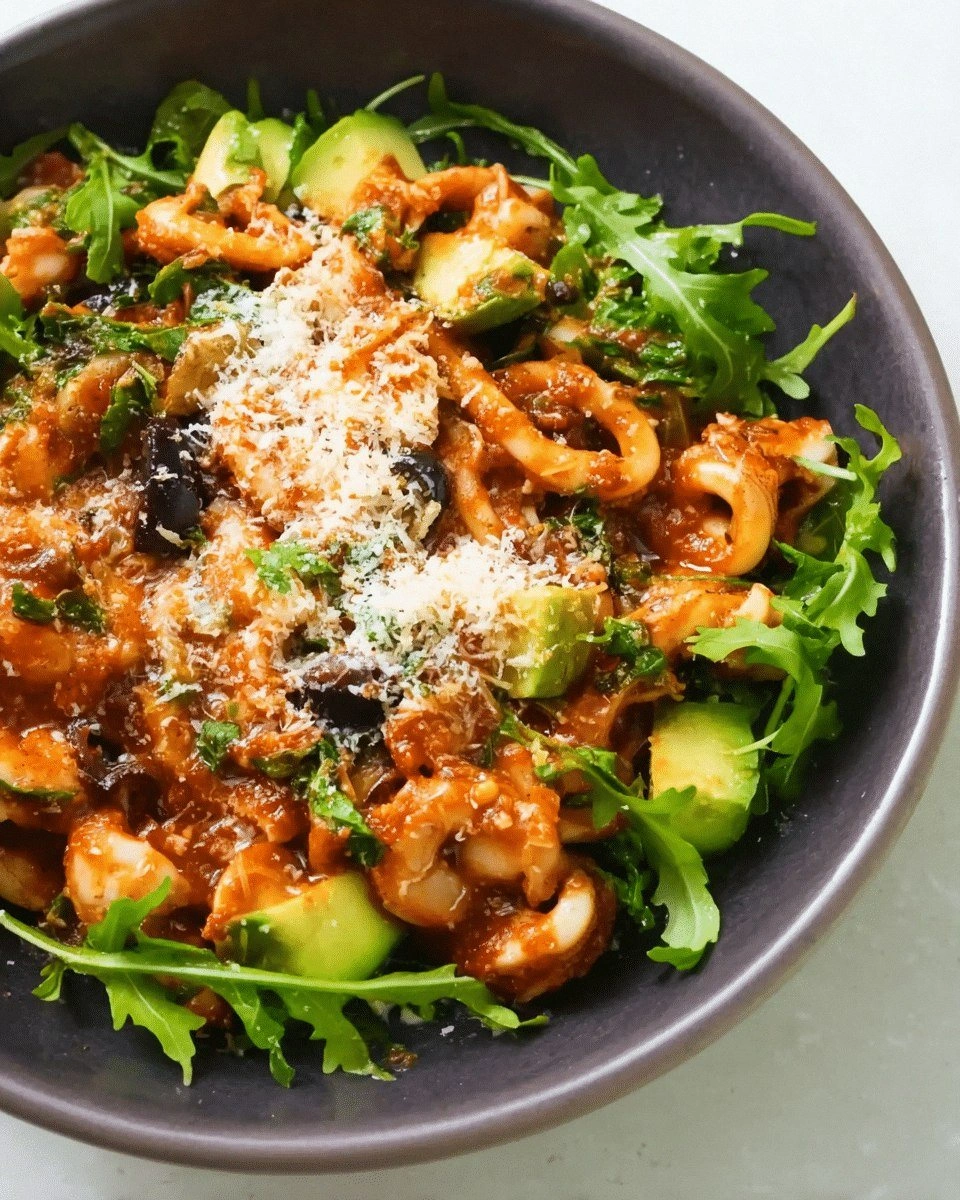
The Method — Step by Step
- Prep the Squid: Rinse the cleaned squid under cold water and pat dry with paper towels. Slice the body into rings and tentacles into bite‑sized pieces. Keep the pieces chilled on a plate until you’re ready to cook. The coldness helps maintain the squid’s firm texture during searing.
- Heat the Skillet: Place a large, heavy‑bottom skillet over medium‑high heat. Add the olive oil and let it shimmer. Once the oil is hot, the pan should produce a faint hiss when you drop a small piece of squid. This is the cue that the oil is ready.
- Sauté the Garlic: Toss in the minced garlic and sauté for 30 seconds, just until fragrant. Be careful not to burn the garlic; it should turn a light golden color, not dark brown. This short burst of garlic releases its essential oils and forms the flavor base for the dish.
- Cook the Squid: Add the squid rings and tentacles to the skillet in a single layer. Let them sear undisturbed for 1–2 minutes on each side until they develop a golden crust. The squid should still be slightly translucent in the center—overcooking will make it rubbery.
- Add Butter and Spices: Reduce the heat to medium and pour in the butter. Stir until melted, then sprinkle in the smoked paprika, red pepper flakes, and a pinch of salt. The butter should coat the squid and the spices should toast for about 20 seconds, releasing their aromas.
- Introduce Lemon: Squeeze the fresh lemon juice over the squid, then grate the zest on top. The acidity brightens the sauce and balances the richness. The smell of citrus should become unmistakable, signaling that the dish is almost ready.
- Finish with Herbs: Sprinkle the chopped parsley over the skillet. Toss everything gently to combine. The parsley adds a fresh green contrast to the golden squid.
- Plate and Serve: Transfer the squid to a serving platter. Drizzle any remaining sauce over the top, garnish with an extra lemon wedge if desired, and serve immediately. The dish is best enjoyed hot, with a side of cauliflower rice or a crisp salad.
That’s it — you did it. But hold on, I’ve got a few more tricks that will take this to another level…
Insider Tricks for Flawless Results
The Temperature Rule Nobody Follows
Many cooks think a lower heat is safer for seafood, but a higher heat actually locks in moisture. Keep the skillet at medium‑high until the initial sear, then reduce to medium. This prevents the squid from drying out and ensures a tender bite.
Why Your Nose Knows Best
If the garlic smells burnt before you’re ready, the oil is too hot. The aroma is your real-time feedback. When the oil is perfectly heated, the garlic should emit a warm, nutty scent rather than a sharp, bitter one.
The 5‑Minute Rest That Changes Everything
After cooking, let the skillet rest for 5 minutes with the lid off. This allows the flavors to meld and the residual heat to finish cooking the squid without overcooking it. I’ve seen people skip this step and end up with rubbery, over‑done squid.
Use a Splatter Guard
Butter splattering can be a nuisance and a safety hazard. A silicone splatter guard keeps the kitchen clean and prevents hot butter from flying onto your skin.
Keep It Clean
Since this is a single‑pan dish, the skillet will accumulate residue. Rinse it immediately after cooking to avoid stubborn stains and to keep it ready for your next culinary adventure.
Creative Twists and Variations
This recipe is a playground. Here are some of my favorite ways to switch things up:
Spicy Cajun Squid
Replace the smoked paprika with a Cajun spice blend and add a splash of hot sauce. This version delivers a smoky heat that pairs perfectly with the buttery base.
Herb‑Infused Olive Oil
Infuse the olive oil with rosemary, thyme, and bay leaves before heating. Strain the oil and use it to sauté the squid for an earthy, aromatic twist.
Low‑Carb Seafood Paella
Swap the squid for a mix of shrimp and mussels, and serve over cauliflower rice with saffron-infused broth. This turns the dish into a full‑course paella without the carbs.
Vegan Lemon Butter
Use a plant‑based butter substitute and a splash of nutritional yeast to mimic the buttery richness. This vegan version retains the bright lemony flavor and satisfies the keto diet.
Asian‑Inspired Squid
Replace the lemon with lime juice, add a touch of sesame oil, and sprinkle toasted sesame seeds on top. The result is a bright, nutty dish that feels like a quick stir‑fry.
Stuffed Squid Rings
Fill the squid rings with a mixture of cream cheese, herbs, and a pinch of chili flakes before sautéing. This adds a creamy, spicy surprise inside each bite.
Storing and Bringing It Back to Life
Fridge Storage
Cool the cooked squid to room temperature, then transfer to an airtight container. Store in the refrigerator for up to 2 days. The sauce may thicken slightly, but it will still taste delicious.
Freezer Friendly
For longer storage, divide the squid into portions and freeze in a single layer on a parchment‑lined tray before transferring to a freezer bag. This prevents clumping. The dish can be kept in the freezer for up to 3 months.
Best Reheating Method
To reheat, add a splash of water or broth to the skillet, cover, and heat over medium until warmed through. The added liquid steams the squid back to its original tenderness. Finish with a quick stir to redistribute the sauce.