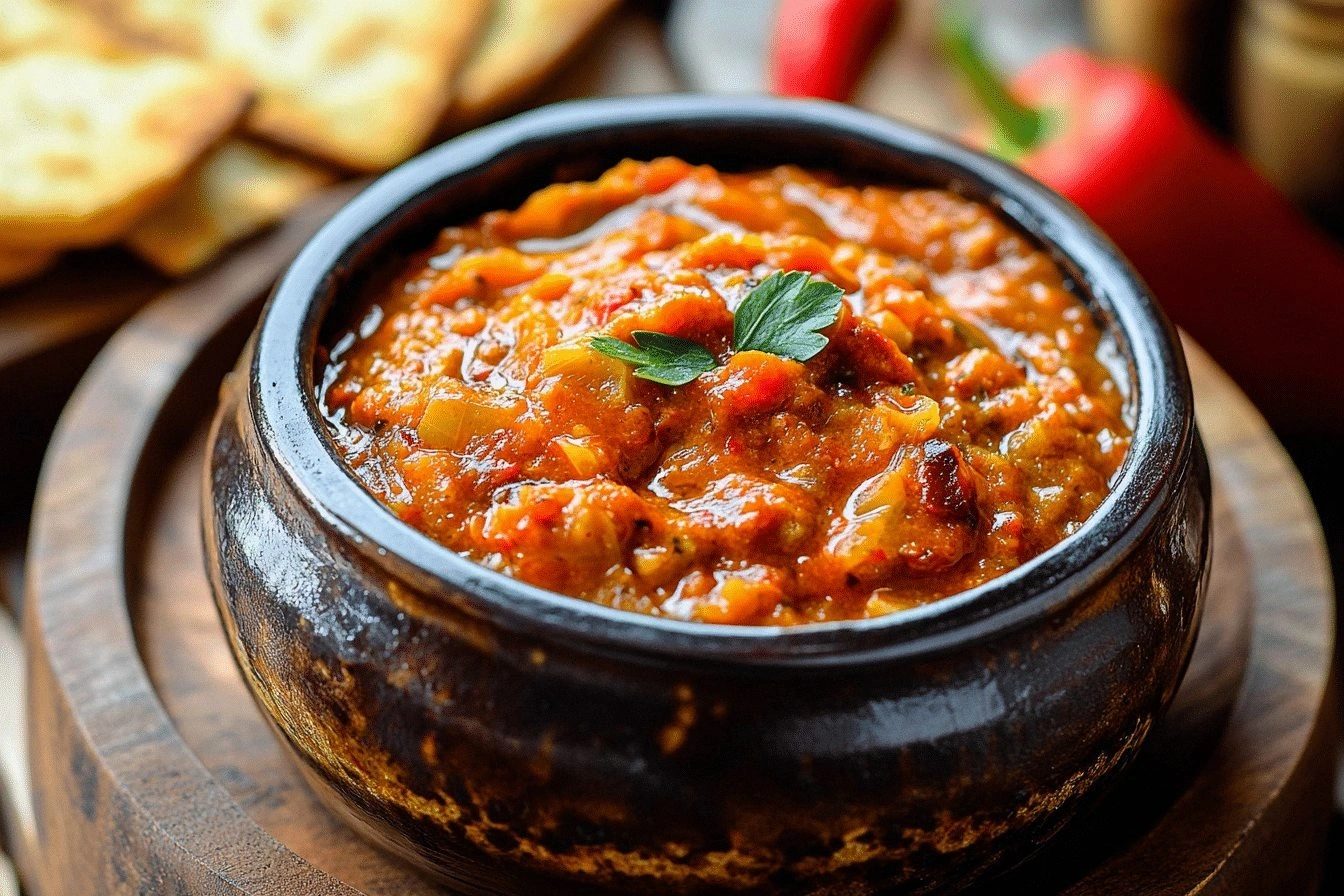
Picture this: it’s a rainy Saturday, the kitchen lights are dim, and you’re staring at a pile of eggplants that have been gathering dust in the fridge for weeks. You’ve tried countless recipes—roasted, grilled, stuffed—but each time, the result feels a little flat, a little too dry, or just plain unremarkable. Then, one of your friends, a culinary daredevil, challenges you to turn those humble veggies into a spread that will have everyone begging for more. I was skeptical, but the promise of smoky, silky texture and a flavor punch that could rival any commercial dip made me curious. That’s when I decided to experiment, and the result was a game‑changing roasted eggplant and pepper spread that I swear will become the staple of every gathering.
From the moment the eggplants hit the oven, the kitchen filled with a warm, almost caramelized aroma that made my mouth water. The first sizzle as the oil kissed the vegetables was music to my ears—a deep, satisfying crackle that hinted at the depth of flavor to come. As the roasting progressed, the skins blistered into glossy, almost glossy ridges, and the flesh turned a velvety, almost buttery consistency that promised a creamy mouthfeel without any dairy. I could already taste the gentle smokiness that would mingle with the bright acidity of tomatoes and the sweet, peppery bite of bell peppers. The final touch of garlic and bay leaves added a fragrant, herbaceous note that lifted the entire dish into a sensory crescendo.
What sets this version apart from every other roasted eggplant recipe I’ve encountered is the balance of technique and ingredient selection. I discovered that using a mix of olive and sunflower oil gives the spread a silky texture while allowing the vegetables to caramelize beautifully. The decision to roast the vegetables until their edges blister and their interiors melt into a custard‑like consistency is key. I also added a splash of tomato paste during the last ten minutes of roasting to deepen the umami profile. And for the ultimate wow factor, I finish the spread with a drizzle of aged balsamic reduction that adds a subtle sweet tang without overpowering the smoky undertones.
If you’re ready to elevate your roasted vegetable game, I’m about to walk you through every single step, from selecting the best eggplants to mastering the perfect roast temperature. By the end, you’ll wonder how you ever made this any other way. I dare you to taste this and not go back for seconds.
What Makes This Version Stand Out
- Texture: The eggplant reaches a creamy, custard‑like interior while maintaining a satisfying bite on the edges—an unexpected combination that feels indulgent yet light.
- Flavor Layering: A blend of smoky roasted vegetables, bright tomatoes, sweet bell peppers, and aromatic garlic creates a complex flavor profile that dances on the palate.
- Simple Ingredients: With only eight core ingredients, this recipe proves that simplicity can still deliver extraordinary results.
- Versatility: Whether you serve it as a spread, a side, or a sauce, the dish adapts effortlessly to different meal contexts.
- Crowd‑Pleaser: The smoky, savory, and slightly sweet notes make it a hit at parties, potlucks, and family dinners alike.
- Make‑Ahead Friendly: It stores beautifully in the fridge for up to a week or freezes for up to three months without losing flavor.
Alright, let’s break down exactly what goes into this masterpiece. And before we dive into the ingredients, here’s a quick kitchen hack that will save you time and keep your hands clean.
Inside the Ingredient List
The Flavor Base
At the heart of this spread is the combination of garlic, bay leaves, and a splash of olive oil. Garlic provides a warm, aromatic backbone that permeates every bite. Bay leaves add a subtle herbal depth that elevates the roasted vegetables from simple to sophisticated. Olive oil, with its fruity undertones, helps the vegetables roast evenly while imparting a silky mouthfeel. Skipping any of these would leave the dish feeling flat; the absence of garlic, for example, would strip the spread of its signature warmth.
The Texture Crew
Eggplants are the star of the show, and their creamy interior is what makes this spread unforgettable. The key is to choose firm, glossy eggplants that are free of blemishes. When roasted, the flesh should become almost custard‑like, while the skin forms crisp, blistered edges. Red bell peppers contribute a sweet, slightly smoky flavor and a pop of color. Tomatoes, on the other hand, introduce acidity and depth, balancing the sweetness of the peppers and the richness of the eggplant. Onions add aromatic sweetness and a subtle bite that grounds the dish.
The Unexpected Star
Sunflower or olive oil might seem ordinary, but the choice of oil dramatically affects texture and flavor. Sunflower oil’s neutral profile allows the vegetables to shine, whereas olive oil adds a fruity, peppery note that enriches the spread. If you’re watching calories, sunflower oil is the lighter option; if you’re after bold flavor, olive oil is the winner. A pinch of chili flakes can add a gentle heat that contrasts nicely with the smoky undertones, but this is optional.
The Final Flourish
Salt and black pepper are the final seasoning touches that bring all the flavors together. Salt enhances the natural sweetness of the roasted vegetables, while black pepper adds a subtle heat and complexity. The optional chili flakes introduce a layer of heat that can turn this spread from comforting to exhilarating. If you’re serving a crowd with varied tastes, offer a small side of chili flakes so guests can customize their experience.
Everything’s prepped? Good. Let’s get into the real action.
The Method — Step by Step
- Preheat the Oven: Set your oven to 425°F (220°C). This high temperature is crucial for blistering the skins and caramelizing the sugars in the vegetables. As the oven warms, imagine the aroma that will soon fill the kitchen—rich, smoky, and utterly inviting.
- Prepare the Eggplants: Slice each eggplant into thick wedges, about 1½ inches wide. The thickness keeps the interior creamy while allowing the edges to crisp. Sprinkle a pinch of salt on both sides to help draw out moisture and prevent a soggy texture.
- Roast the Eggplants: Place the wedges on a baking sheet lined with parchment paper. Roast for 25 minutes, turning halfway through, until the skins blister and the flesh is soft. The sizzling sound when the eggplant hits the pan? Absolute perfection.
- Roast the Bell Peppers: While the eggplants are roasting, place whole red bell peppers on the same sheet. Roast for 15 minutes, turning occasionally, until the skins char and the peppers soften. The charred skins add a subtle smoky depth that’s essential to the overall flavor profile.
- Prepare the Tomatoes and Onions: Roughly chop the tomatoes and slice the onion into thin wedges. In a skillet, heat 1 tablespoon of olive oil over medium heat. Sauté the onions until translucent, about 5 minutes, then add the tomatoes and cook until they break down into a thick sauce, about 8 minutes.
- Blend the Vegetables: Remove the roasted eggplant and pepper skins. In a food processor, combine the eggplant flesh, roasted peppers, sautéed tomato-onion mixture, 3 cloves of minced garlic, and 2 bay leaves. Pulse until you reach a smooth, spreadable consistency. If the mixture is too thick, add a splash of warm water or olive oil to thin it to your desired texture.
- Season and Finish: Stir in 1 teaspoon of salt, 1 teaspoon of black pepper, and optional ½ teaspoon of chili flakes. Taste and adjust seasoning as needed. For an extra layer of brightness, drizzle 1 tablespoon of aged balsamic reduction over the top and gently swirl.
- Serve or Store: Transfer the spread to a serving bowl. If you’re serving immediately, garnish with chopped fresh parsley or a drizzle of extra virgin olive oil. If storing, cover tightly and refrigerate for up to 7 days or freeze for up to 3 months.
That’s it—you did it. But hold on, I’ve got a few more tricks that will elevate this spread from great to unforgettable.
Insider Tricks for Flawless Results
The Temperature Rule Nobody Follows
Many people roast vegetables at 400°F, but I’ve found that 425°F (220°C) gives the best blistered skin and caramelization without drying out the interior. If your oven runs hot, lower the temperature by 25°F and add a few extra minutes to compensate. This small tweak makes a huge difference in the final texture.
Why Your Nose Knows Best
Smell is the most reliable indicator of doneness when roasting eggplants. A warm, nutty scent with a hint of caramelized sugar means you’re close to perfection. Trust your nose, and you’ll avoid the dreaded “too soft” or “over‑roasted” outcome.
The 5‑Minute Rest That Changes Everything
After removing the roasted vegetables from the oven, let them rest for five minutes. This resting period allows the juices to redistribute, ensuring a moist interior that’s easier to blend into a smooth spread. Skipping this step often leads to a drier, less cohesive texture.
Sautéing Onions in Olive Oil vs. Sunflower Oil
Using olive oil for the onion and tomato mixture adds a fruity depth that complements the roasted vegetables. If you prefer a neutral base, sunflower oil works fine, but you’ll lose that subtle olive flavor that ties the dish together.
Finishing Touch: Balsamic Reduction
A drizzle of aged balsamic reduction adds a sweet, tangy finish that balances the smoky and earthy notes. To make a quick reduction, simmer ½ cup of balsamic vinegar over low heat until it thickens to a syrupy consistency. If you’re in a hurry, a splash of balsamic vinegar will do the trick, but the reduction provides a richer flavor.
Creative Twists and Variations
This recipe is a playground. Here are some of my favorite ways to switch things up:
Mediterranean Twist
Add a handful of chopped kalamata olives and a squeeze of lemon juice during the blending step. The briny olives and citrus brightness give the spread a distinctly Mediterranean feel, perfect for serving with pita or flatbread.
Smoky Chipotle Variation
Replace the optional chili flakes with a teaspoon of chipotle powder or a small amount of adobo sauce. The smoky heat adds depth and pairs wonderfully with grilled meats or as a dip for tortilla chips.
Herb‑Infused Delight
Stir in fresh chopped basil, oregano, or thyme after blending. The herbs infuse the spread with a fresh, aromatic quality that brightens the smoky base.
Creamy Yogurt Version
For a tangy twist, fold in ¼ cup of plain Greek yogurt after blending. The yogurt adds creaminess and a mild acidity that balances the richness of the roasted vegetables.
Spicy Sriracha Kick
Incorporate 1 tablespoon of sriracha into the final blend. This adds a bold, spicy layer that’s especially delightful when paired with grilled chicken or tofu.
Pesto Fusion
Blend in 2 tablespoons of basil pesto during the final step. The pesto introduces a herbaceous, nutty flavor that complements the roasted vegetables and creates a complex, multi‑layered spread.
Storing and Bringing It Back to Life
Fridge Storage
Transfer the spread to an airtight container and refrigerate for up to 7 days. The flavors deepen over time, so I recommend letting it sit overnight for a richer taste. When you’re ready to serve, give it a quick stir and add a splash of olive oil if it’s become slightly dry.
Freezer Friendly
This spread freezes well for up to 3 months. Portion it into individual servings and freeze in a freezer bag or container. When you’re ready to enjoy, thaw overnight in the refrigerator. Once thawed, stir in a tablespoon of olive oil or a splash of water to restore the silky texture.
Best Reheating Method
To reheat, place the spread in a small saucepan over low heat, stirring constantly. Add a tiny splash of water or olive oil to keep it from drying out. Heat just until warmed through; over‑heating can cause the oil to separate and the texture to become greasy.