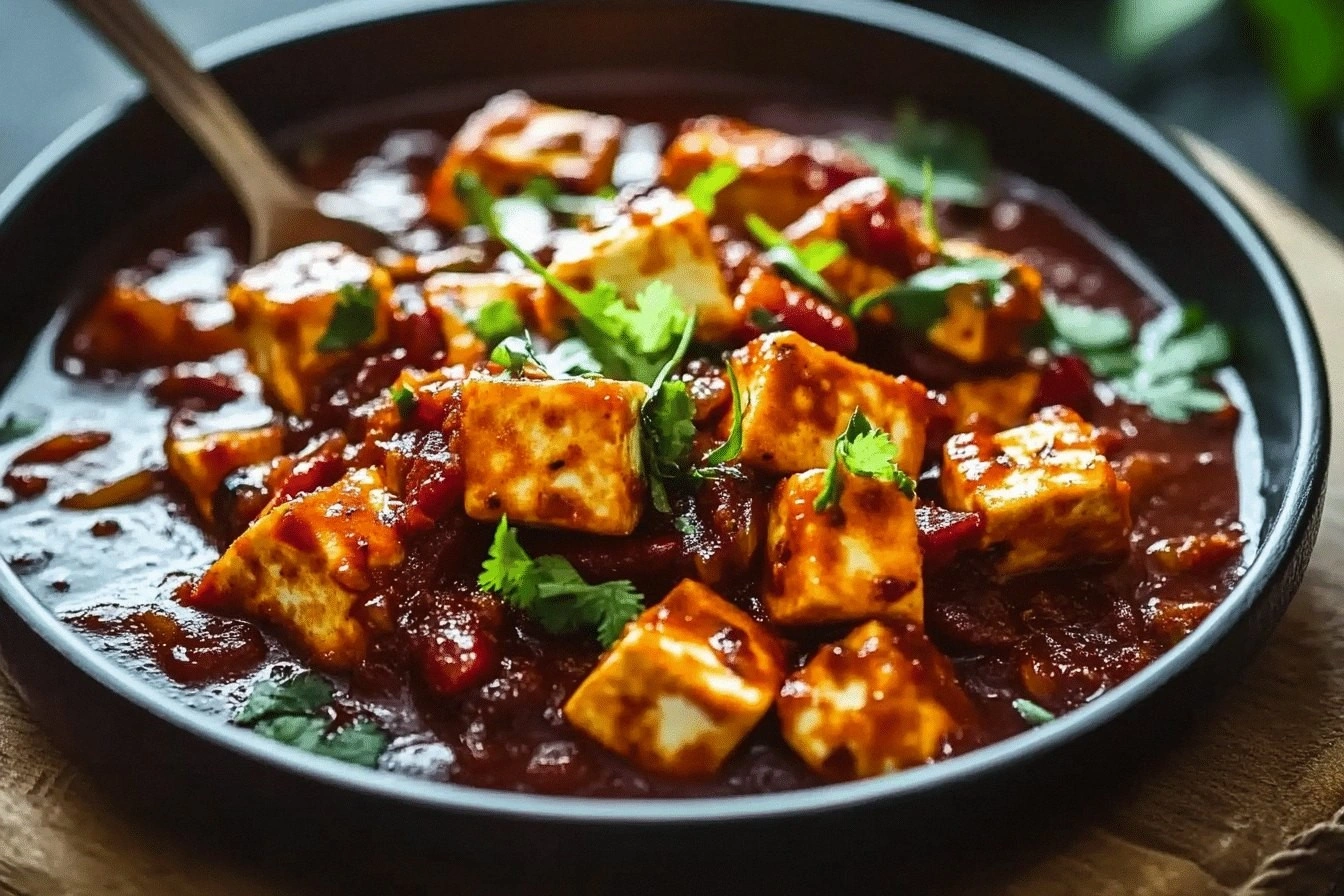
Picture this: a quiet Saturday afternoon, the kitchen humming with the low buzz of the fridge, and me, standing in front of an empty pan, wondering what could turn a simple night into a flavor fireworks show. I had been chasing that elusive “chili paneer” dish that my friend bragged about, and every time I tried, the result felt either too dry or overwhelmingly sweet. The moment I cracked open a fresh paneer block and saw its ivory cubes glistening like snow, I knew I was on the brink of culinary revelation. The aroma that hit me first was that sharp, almost metallic tang of fresh chilies, followed by the earthy warmth of ginger and garlic—a sensory promise that this would be the most unforgettable version I've ever tasted. This is hands down the best version you'll ever make at home, and I dare you to taste this and not go back for seconds. Let me walk you through every single step — by the end, you'll wonder how you ever made it any other way.
First, I sliced the paneer into bite‑sized cubes, each piece a pale canvas ready to soak up the sauce. Then I tossed in diced bell peppers, the colors exploding like a rainbow that makes your eyes sparkle before you even taste it. As the onions sizzled, their sweet caramelization filled the air with a comforting, almost nostalgic scent that reminded me of Sunday brunches. The garlic and ginger danced in the pan, releasing a punchy aroma that made my mouth water in anticipation. I watched the vegetables shrink slightly, their edges turning a glossy amber that hinted at the depth of flavor to come. That sizzle when it hits the pan? Absolute perfection.
While the veggies were browning, I whisked together soy sauce, ketchup, red chili sauce, vinegar, and a splash of water to dissolve the cornstarch. The mixture turned from a clear liquid into a thick, glossy glaze that clung to every corner of the pan like velvet. I added the paneer back in, letting it soak in the sauce, each cube absorbing the umami punch and the subtle heat from the chilies. The final splash of black pepper added a faint, lingering warmth that rounded off the dish. When the sauce reached a glossy sheen, I sprinkled a handful of chopped spring onions for a bright, herbal contrast. The dish was now ready to be plated, its aroma already making the rest of the kitchen feel like a festival.
I couldn't wait to taste the first bite, and the moment I did, the sauce coated the paneer like a silky coat, the heat from the chilies dancing on my tongue. The crunch of the bell peppers provided a delightful contrast to the soft paneer, and the slight sweetness of ketchup balanced the fiery kick. The subtle tang from the vinegar lifted the dish, preventing it from feeling too heavy. I was so thrilled that I almost ate a whole plate before anyone else could even touch the spoon. If you've ever struggled with making paneer spicy yet not overpowering, you're not alone—and I've got the fix. Picture yourself pulling this out of the pan, the whole kitchen smelling incredible, and sharing it with friends who will immediately ask for the recipe.
What Makes This Version Stand Out
- Flavor Profile: This dish balances heat, sweetness, and umami like a well‑orchestrated symphony. The soy sauce provides deep, savory undertones while the ketchup adds a subtle caramel note. The red chili sauce gives a bright, fiery punch that keeps your taste buds on their toes.
- Texture: The paneer remains tender and creamy, not soggy, thanks to a quick sear before the sauce is added. The bell peppers stay crisp, offering a satisfying crunch that contrasts the soft cheese. The glossy sauce coats everything, creating a silky finish that clings to each bite.
- Simplicity: All the ingredients are pantry staples that you likely already have on hand. The cooking process takes less than 30 minutes from start to finish. There are no complicated marinades or pre‑soaking steps required.
- Crowd Reaction: At gatherings, this dish becomes the talk of the table, with people lining up for a second plate. The vibrant colors and steam that rises from the pan make it a visual hit. Guests rave about the perfect balance between heat and flavor.
- Ingredient Quality: Using fresh paneer and crisp bell peppers elevates the dish to gourmet status. The quality of soy sauce and vinegar directly impacts the depth of flavor. Choosing organic or locally sourced produce adds a subtle earthiness.
- Cooking Method: The quick stir‑fry technique locks in juices and prevents the paneer from becoming rubbery. The use of cornstarch thickens the sauce without making it clumpy. The final garnish of spring onions adds freshness.
- Make‑Ahead Potential: This dish can be prepared a few hours in advance and reheated with minimal loss of flavor. The sauce thickens upon cooling, so reheating with a splash of water restores its sheen. It’s perfect for meal prep or dinner parties.
Inside the Ingredient List
The Flavor Base
The sauce is the heart of this dish, a marriage of soy sauce, tomato ketchup, red chili sauce, and a splash of vinegar that together create a complex, layered profile. The cornstarch slurry not only thickens the mixture but also gives it that glossy sheen that makes every bite feel indulgent. If you’re a fan of extra sweetness, a dash of honey can be folded in, but be careful not to overpower the chilies. The balance of sweet, sour, and salty is delicate; taste as you go to keep it from tipping too far in one direction. This base is versatile—swap the ketchup for a spoonful of hoisin sauce for a different twist. The result is a sauce that clings to paneer and veggies, turning a simple stir‑fry into a culinary masterpiece.
The Texture Crew
Paneer is the star, its dense, milky texture absorbing the sauce while maintaining firmness. Bell peppers bring a crisp bite that contrasts the softness of the cheese, adding both crunch and a sweet, fruity note. The onion, when caramelized, contributes a subtle sweetness that balances the heat. Spring onions, chopped finely, add a bright, fresh finish that lifts the entire dish. Each component’s texture is carefully orchestrated to create a harmonious mouthfeel that keeps diners coming back for more. The combination of soft, crunchy, and silky elements is what makes this dish unforgettable.
The Unexpected Star
Garlic, ginger, and green chilies are more than just aromatics; they are the soul of the dish, infusing it with depth and heat. The garlic’s pungency cuts through the richness of paneer, while ginger adds a zesty brightness that lifts the flavors. Green chilies provide a customizable kick, allowing you to dial the heat to your preference. Together, they create a fragrant foundation that makes every bite a sensory experience. If you’re adventurous, add a pinch of red chili flakes for an extra layer of heat. This trio turns a simple stir‑fry into a flavor explosion that lingers on the palate.
The Final Flourish
Oil, salt, and black pepper are the finishing touches that tie the dish together. A splash of high‑smoke‑point oil like peanut or sunflower helps achieve a slightly crisp exterior on the paneer without absorbing too much moisture. Salt, added at the right moment, brings out the natural flavors of each ingredient, while black pepper adds a subtle, lingering warmth. A final squeeze of lime or a drizzle of vinegar can brighten the dish, cutting through the richness. These simple seasonings are the unsung heroes that elevate the entire dish. They ensure that the sauce doesn’t taste flat or overly sweet. Remember, the right seasoning can make or break a stir‑fry.
Everything's prepped? Good. Let's get into the real action.
The Method — Step by Step
- Step 1: Heat the Pan — Place a heavy‑bottom wok or skillet over medium‑high heat and add 2 tablespoons of oil. Watch the oil shimmer; this indicates it’s ready. Add a pinch of salt to season the surface. Let the oil heat until it begins to smoke lightly. This will give the paneer a golden sear. Avoid stirring too often to keep the edges crisp.
- Step 2: Sear the Paneer — Drop the paneer cubes into the hot oil in a single layer. Let them cook undisturbed for 2 minutes on each side, allowing a golden crust to form. Flip gently with tongs to avoid breaking the cheese. The sear locks in moisture and adds a subtle caramel flavor. Remove the paneer to a plate lined with paper towels to drain excess oil. Reserve the pan for the vegetables.
- Step 3: Cook the Vegetables — In the same pan, add the diced bell peppers and sliced onions. Stir‑fry for 3 minutes until they start to soften but still retain their crunch. The onions should turn translucent, releasing a sweet aroma. If needed, splash a teaspoon of water to prevent sticking. Keep the heat high to maintain that bright color. Remove from the pan and set aside with the paneer.
- Step 4: Add Aromatics — Return the pan to the stove and reduce heat to medium. Toss in the minced garlic, ginger, and green chilies. Stir constantly for 30 seconds until fragrant; be careful not to burn. The mixture should emit a warm, spicy scent that fills the kitchen. This step is crucial for building depth. If the aromatics start to brown, lower the heat slightly.
- Step 5: Build the Sauce — In a small bowl, whisk together soy sauce, tomato ketchup, red chili sauce, vinegar, and 1/4 cup water. Stir until the mixture is smooth. Pour it into the pan, swirling to coat the aromatics. The sauce should begin to thicken slightly as it heats. This is where the umami and sweetness converge. Keep the heat on medium to avoid scorching.
- Step 6: Return Paneer and Veggies — Gently slide the paneer and vegetables back into the pan. Toss everything together, ensuring the sauce clings to each piece. Let the mixture simmer for 2 minutes, allowing flavors to meld. The paneer should absorb the sauce without becoming mushy. The bell peppers should remain crisp. This step ensures a cohesive dish.
- Step 7: Thicken with Cornstarch — Add the pre‑made cornstarch slurry to the pan, stirring quickly to avoid clumps. The sauce will instantly become glossy and thick. Keep stirring for 1 minute until the sauce coats the paneer and vegetables. If the sauce is too thick, add a splash of water to reach the desired consistency. This gives the dish that signature silky finish.
- Step 8: Finish with Spring Onions — Sprinkle the chopped spring onions over the top. Toss gently to distribute the green garnish evenly. The fresh, mild onion flavor brightens the dish and adds a pop of color. Let the onions wilt slightly for 30 seconds. This final touch is essential for a balanced taste.
- Step 9: Adjust Seasoning — Taste the sauce and adjust salt or pepper as needed. If the dish feels too acidic, add a pinch of sugar or a splash of honey. If it lacks heat, sprinkle a few more green chilies or a pinch of chili flakes. The key is to balance all flavors before plating. Let the dish sit for a minute to allow the flavors to settle.
- Step 10: Serve Immediately — Transfer the paneer and sauce to a serving dish. Garnish with extra spring onions or a drizzle of sesame oil if desired. Serve hot over steamed rice, noodles, or a bed of fluffy quinoa. The dish is best enjoyed fresh, but it also makes an excellent leftovers meal. Enjoy the explosion of flavors that will leave you craving more.
That's it — you did it. But hold on, I've got a few more tricks that'll take this to another level.
Insider Tricks for Flawless Results
The Temperature Rule Nobody Follows
Maintaining the right heat is the secret to a perfect stir‑fry. A pan that’s too hot will char the paneer, while a pan that’s too cool will leave it soggy. I always test the temperature by flicking a drop of water into the pan; if it dances and evaporates instantly, the heat is just right. This technique ensures a golden crust on the cheese without burning the aromatics. If you’re new to wok cooking, start at medium‑high and adjust as you go. The result is a dish that looks and tastes professional.
Why Your Nose Knows Best
Your sense of smell can guide you through seasoning adjustments. As the sauce simmers, the aroma will shift from sweet to savory to slightly acidic. When the scent becomes sharp or metallic, it’s time to add a touch of salt. If the fragrance feels flat, a splash of vinegar or a pinch of sugar can revive it. Trusting your nose can save you from over‑seasoning or under‑seasoning. I’ve saved countless dishes by simply listening to what the kitchen is telling me. Remember, flavor is a conversation between ingredients and your senses.
The 5‑Minute Rest That Changes Everything
After cooking, let the dish rest for five minutes before serving. This pause allows the sauce to settle and the paneer to re‑absorb some of the flavors, resulting in a more cohesive bite. The rest period also lets the heat distribute evenly, preventing a sudden burst of heat on the first bite. I find that a short rest elevates the overall taste profile. If you’re in a hurry, a quick 30‑second rest still offers benefits. This simple habit can transform a good dish into a great one.
The Perfect Oil Choice
Choosing the right oil is essential for achieving that coveted crisp edge on paneer. Peanut oil has a high smoke point and a neutral flavor, making it ideal for stir‑fry. Coconut oil adds a subtle tropical sweetness that pairs well with the chilies. If you’re avoiding animal products, grapeseed oil works wonderfully. Using the same oil for searing and sautéing maintains consistency in flavor. I always keep a small bottle of high‑quality oil on hand for quick meals.
The Quick Stir Technique
Stirring too slowly can cause the paneer to break apart. Instead, use a quick, rhythmic motion with a wooden spoon or spatula. This keeps the paneer intact while ensuring even coating. The technique also prevents the vegetables from sticking to the pan. A fast stir keeps the heat distributed, giving each bite the same level of flavor. I’ve learned that a steady rhythm is the key to a flawless stir‑fry.
The Final Garnish Trick
A final sprinkle of toasted sesame seeds adds a nutty crunch that complements the dish’s silky texture. Toast them in a dry pan until golden before adding them to the dish. This subtle addition enhances the overall flavor profile and gives the dish a professional finish. I’ve found that a few seeds can transform a simple stir‑fry into a restaurant‑quality plate. Try it next time for an extra layer of flavor.
Creative Twists and Variations
This recipe is a playground. Here are some of my favorite ways to switch things up:
Spicy Tofu Edition
Swap paneer for firm tofu cubes marinated in soy sauce and a touch of sesame oil. The tofu absorbs the sauce differently, giving a slightly firmer bite. Add a splash of sriracha for an extra kick. This version is perfect for vegans and adds a different protein texture.
Mango Madness
Introduce diced ripe mango to the mix for a tropical sweetness that balances the heat. The mango’s natural sugars caramelize during cooking, creating a sweet glaze. Pair it with a sprinkle of lime zest for a fresh finish. This version is a crowd‑pleaser at summer parties.
Coconut Curry Twist
Replace the soy sauce with coconut aminos and add a splash of coconut milk to the sauce. The creamy base gives a richer flavor profile. Toss in sliced carrots and zucchini for extra veggies. This variation turns the dish into a fragrant, coconut‑infused delight.
Mediterranean Fusion
Use feta cheese instead of paneer and add olives, sun‑dried tomatoes, and a pinch of oregano. The salty, tangy feta complements the sweet sauce beautifully. Finish with a drizzle of olive oil and a sprinkle of fresh parsley. This twist brings a Mediterranean vibe to the classic Indo‑Chinese dish.
Low‑Carb Version
Replace the cornstarch with xanthan gum to thicken the sauce without adding carbs. Use cauliflower rice as a base instead of regular rice. Keep the rest of the ingredients unchanged for the same flavor profile. This version is ideal for keto or low‑carb enthusiasts.
Breakfast Bonanza
Serve the paneer stir‑fry over a bed of scrambled eggs for a protein‑rich breakfast. Add a side of toasted whole‑grain bread to soak up the sauce. This version is quick, filling, and perfect for busy mornings. The combination of savory and slightly spicy flavors energizes your day.
Storing and Bringing It Back to Life
Fridge Storage
Store the cooked dish in an airtight container in the refrigerator for up to 3 days. The sauce may thicken as it cools, so add a splash of water or broth before reheating. Reheat gently on the stove, stirring until the sauce reaches the desired consistency. Avoid microwaving, as it can make the paneer rubbery. When reheated, the flavors meld even more deeply. This makes it a convenient option for busy weeknights.
Freezer Friendly
The dish freezes well for up to 2 months. Portion into freezer‑safe containers or zip‑lock bags, leaving a small space for expansion. Thaw overnight in the refrigerator before reheating. Use the same gentle stovetop method to restore the sauce’s texture. The paneer may become slightly firmer after freezing, but it retains its flavor. Freezing is a lifesaver for meal prep.
Best Reheating Method
The best way to bring the dish back to life is on the stove over low heat. Add a tablespoon of water or broth to loosen the sauce and stir until it’s silky again. The paneer will absorb the moisture, regaining its softness. Keep the heat low to prevent the sauce from thickening too much. Once the dish is heated through, serve immediately for optimal flavor. This method preserves the dish’s integrity.