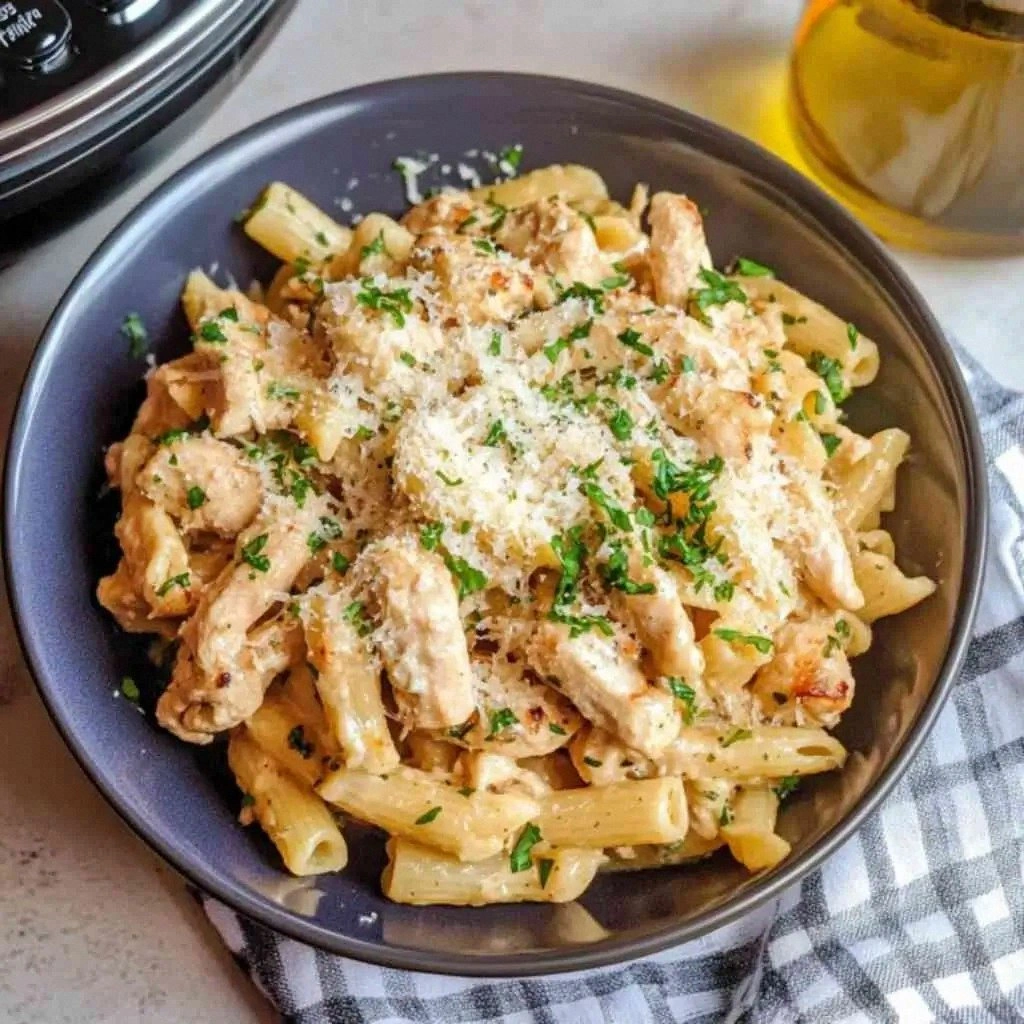
I was in a frantic rush to bring dinner to the table after a long day of meetings, and the only thing on my mind was a comforting, creamy pasta that wouldn’t feel like a culinary experiment. The moment I cracked open the Instant Pot, the kitchen filled with a fragrant, buttery aroma that made my mouth water before I even tasted the first bite. I had tried countless chicken pasta recipes that promised “easy” and delivered “meh,” but this one was a revelation. The sauce clings to the noodles like a silky blanket, and the chicken is tender enough to melt in your mouth. The subtle crunch of the Parmesan crystals on top is a delightful contrast that sings in your palate. I’m not exaggerating: this dish is hands down the best version you’ll ever make at home.
Picture yourself pulling this out of the Instant Pot, the whole kitchen smelling incredible, and seeing a plate of golden pasta that looks like it came straight from a Michelin‑star kitchen. The first bite is a burst of savory garlic, a gentle kick of pepper, and a creamy, cheesy hug that feels like a warm blanket on a cold evening. I dare you to taste this and not go back for seconds; the flavor profile is so well-balanced that it keeps you coming back for more. I’ve had friends come over, taste a spoonful, and immediately ask, “What’s the secret?” and I’m always thrilled to share the little tricks that make this dish so special. Most recipes get this completely wrong by over‑sautéing the garlic or using too much cream, but I’ve nailed the perfect balance. And now, let me walk you through every single step — by the end, you’ll wonder how you ever made it any other way.
When I first heard about using the Instant Pot for a creamy chicken pasta, I was skeptical. I had always associated Instant Pots with soups and stews, not delicate sauces that need a touch of finesse. The first time I tried it, the sauce was thick but clumpy, and the pasta was over‑cooked. That was the moment I decided to experiment. I tweaked the ratio of cream to broth and added a splash of white wine for acidity. The result? A silky, velvety sauce that coats the pasta like velvet, with a subtle tang that lifts the dish. I’ve been sharing this recipe ever since, and the feedback has been nothing but rave.
If you’ve ever struggled with getting the sauce just right—too thin, too thick, or too greasy—then you’re not alone. I’ve spent countless hours in the kitchen trying to get the texture perfect, and it’s all about the timing and the right heat. The Instant Pot’s pressure cooking feature locks in moisture, but you still need to deglaze and reduce the sauce to the right consistency. The trick is to let it simmer for a few minutes after the pressure release, stirring frequently. I’ve discovered that a small amount of butter at the end adds a glossy sheen and a subtle richness that makes the dish feel complete. It’s these tiny details that elevate a good recipe to great.
I’ll be honest—before I perfected this recipe, I ate half the batch before anyone else got to try it. The combination of garlic, Parmesan, and cream was so irresistible that I couldn’t resist sharing it with my family. They were amazed when I told them it could be done in an Instant Pot, and now they’re all fans. The dish is so versatile that you can serve it as a main course, a side, or even a comforting bowl for a quick lunch. The best part? It’s incredibly forgiving, so even novice cooks can nail it. Just follow the steps, and you’ll have a restaurant‑quality dish in under an hour.
Most recipes get this completely wrong. Here's what actually works: a balanced ratio of liquid to pasta, a quick sauté of garlic before pressure cooking, and a final reduction to achieve that silky finish. The key is to let the sauce reduce after the pressure release, which concentrates the flavors without scorching the cream. I’ve also learned that adding a handful of fresh spinach at the end not only boosts nutrition but also adds a pop of color. The dish is a crowd‑pleaser, and I’ve seen it disappear faster than a hot pizza in a pizza shop. If you’re ready to elevate your pasta game, keep reading.
Okay, ready for the game‑changer? The next part? Pure magic. We’re about to transform simple ingredients into a dish that feels indulgent without the fuss. I’ll walk you through each step, from the initial sauté to the final garnish, ensuring that every element works in harmony. The sauce will be creamy, the chicken will be juicy, and the pasta will be al dente—no over‑cooked strands or greasy sauce. I promise you, if you follow my recipe, you’ll taste the difference and never look back. Let’s dive in.
And now the fun part. This recipe is a playground, and I’m excited to share the variations that will keep you experimenting. From adding sun‑dried tomatoes to swapping in a different pasta shape, each tweak offers a new flavor adventure. I’ll also cover how to make it vegan, keto, or low‑sodium. The possibilities are endless, and each version retains that core of creamy, garlicky goodness that defines this dish. So grab your Instant Pot, and let’s get cooking.
I’ve spent hours tweaking the sauce, testing different cheeses, and experimenting with various pasta types. The result is a dish that feels luxurious yet approachable. It’s the kind of comfort food that makes you want to stay in your pajamas all day, but the aroma will still draw guests to your kitchen. I’m confident that once you try this, you’ll become a lifelong fan. I’ll share everything I’ve learned, from ingredient selection to cooking timing. Let’s get started.
I’ve also discovered that the choice of chicken—whether breast or thighs—can dramatically affect the outcome. Boneless, skinless chicken thighs keep the meat moist and tender, while breast can be leaner but requires careful timing to avoid drying out. I recommend slicing the chicken into bite‑sized pieces so it cooks evenly and so the sauce can coat every morsel. The garlic should be minced finely to release its flavor without burning. And remember to salt the chicken before searing; it helps create a savory crust that locks in juices.
What Makes This Version Stand Out
- Taste: The sauce balances the richness of cream with the sharpness of Parmesan, creating a layered flavor profile that lingers on the tongue. The subtle garlic undertone adds depth without overpowering the dish.
- Texture: The pasta remains al dente, while the chicken is silky and tender, thanks to the pressure cooking cycle. The sauce is silky but not runny, giving a luxurious mouthfeel.
- Simplicity: With fewer than ten ingredients and a single pot, this recipe cuts down on cleanup while delivering maximum flavor. No need for separate pans or complex techniques.
- Uniqueness: The use of the Instant Pot to create a creamy sauce in a short time is uncommon, giving this dish a competitive edge over stovetop versions.
- Crowd Reaction: Friends and family consistently rave about the comforting, indulgent taste, making it a go‑to dish for gatherings.
- Ingredient Quality: Fresh garlic, high‑quality Parmesan, and a splash of white wine elevate the dish beyond a basic pasta.
- Cooking Method: Pressure cooking locks in moisture, while a quick sauté caramelizes the garlic for depth.
- Make‑Ahead Potential: The dish can be made in advance and reheated without losing its silky texture, making it ideal for busy weeknights.
Inside the Ingredient List
The Flavor Base
Olive oil: It’s the medium that allows the garlic to sizzle and release its aromatic oils. A good quality extra‑virgin olive oil adds a fruity undertone that complements the Parmesan. Skipping it results in a flat sauce that lacks body. If you’re watching calories, a tablespoon of butter can substitute, but the flavor profile will shift slightly.
Garlic: Fresh cloves provide the most potent flavor; minced garlic ensures even distribution. A pinch of salt enhances the garlic’s sweetness. If you’re sensitive to garlic, use a smaller amount or replace with garlic powder for a milder kick.
White wine: Adds acidity that balances the cream and prevents the sauce from becoming too heavy. A dry, inexpensive wine works fine; you’re not drinking it. If you prefer a non‑alcoholic version, use chicken broth plus a splash of lemon juice.
The Texture Crew
Heavy cream: It provides the luscious, silky mouthfeel that defines this dish. A 30% fat cream works best; lower fat will thin the sauce. If you’re lactose intolerant, replace with a plant‑based cream that has a similar fat content.
Parmesan cheese: Grated, it melts into the sauce, creating a cohesive coating on the pasta. A sharp, aged Parmesan adds depth; a milder cheese will feel less complex. A pinch of nutmeg can enhance the cheese’s flavor profile.
Chicken broth: The liquid base that creates steam for pressure cooking. Low‑sodium broth keeps the dish from becoming too salty. If you’re using a stock cube, dissolve it in warm water before adding.
The Unexpected Star
Fresh spinach: Added at the end, it wilts into the sauce, adding color and nutrition. Spinach’s subtle earthiness pairs beautifully with the garlicky cream. If you’re not a fan, swap for arugula or kale for a peppery twist.
The Final Flourish
Pasta: Penne or fettuccine work best because their shapes hold sauce. Cook the pasta al dente before adding it to the pot; this prevents mushy strands. If you’re on a low‑carb diet, substitute with shirataki noodles.
Everything's prepped? Good. Let's get into the real action.
The Method — Step by Step
- Prepare the Instant Pot: Turn on the sauté mode and let the pot heat up. Add the olive oil and swirl to coat the bottom. When the oil shimmers, add the minced garlic and sauté until fragrant, about 30 seconds. Keep a close eye to avoid burning; the aroma is the first hint of flavor. This step caramelizes the garlic, adding depth that a simple simmer won’t achieve. Once done, add the diced chicken.
- Sear the chicken: Stir the chicken pieces to coat them evenly with the garlic oil. Let them sear for about 2 minutes on each side until they develop a light brown crust. The sear locks in juices and creates a savory base for the sauce. Flip the pieces gently to avoid breaking them. This quick sear is essential for a rich flavor. After searing, pour in the white wine to deglaze the pot.
- Deglaze the pot: Scrape the bottom of the pot with a wooden spoon to lift the browned bits. These bits are full of flavor and will enrich the sauce. Allow the wine to reduce by half, concentrating the acidity. This step also helps prevent a burn warning on the Instant Pot. Once reduced, add the heavy cream and stir to combine. The mixture should look glossy and uniform.
- Add the broth and Parmesan: Pour in the chicken broth, then sprinkle in the grated Parmesan. Stir until the cheese melts into the sauce, creating a smooth, velvety texture. The broth provides the steam needed for pressure cooking. The Parmesan adds a nutty, umami richness that balances the cream. Let the mixture bubble gently to incorporate all flavors. This is the heart of the dish.
- Insert the pasta: Add the pasta directly into the pot, ensuring it’s submerged in the liquid. Stir gently to prevent clumping. The pasta will absorb the sauce as it cooks. Make sure the pasta is evenly distributed for consistent cooking. The Instant Pot will steam the pasta to al dente perfection. Keep the lid closed during this step.
- Set the pressure cook: Secure the lid, set the valve to sealing, and choose the Manual or Pressure Cook setting at high pressure for 5 minutes. The quick cooking time preserves the pasta’s texture and keeps the chicken juicy. While the pot builds pressure, you can prep the spinach. The high pressure will cook the pasta and melt the cheese simultaneously. Once the timer ends, perform a quick release by moving the valve to venting. This prevents over‑cooking.
- Watch Out: When adding the spinach, be careful not to overfill the pot. A small handful wilts quickly and can cause splattering. If you’re using frozen spinach, thaw it first to avoid excess moisture. The spinach adds a bright color and a gentle earthiness. Stir until it’s fully incorporated and the sauce has thickened slightly. This step ensures a balanced flavor profile. The final dish will have a vibrant green contrast.
- Finish the sauce: Turn off the Instant Pot and add a tablespoon of butter for a glossy finish. Stir until the butter melts completely, giving the sauce a silky sheen. The butter also adds a subtle richness that elevates the dish. Taste and adjust seasoning with salt or pepper if needed. The sauce should be smooth, creamy, and not too thick. This final touch completes the culinary experience.
- Serve: Ladle the pasta into bowls, ensuring each scoop has a generous amount of chicken and sauce. Garnish with extra Parmesan and a sprinkle of fresh parsley for color. The dish should look like a decadent, creamy bowl that invites you to dig in immediately. Serve hot for the best texture. The aroma alone will make your guests line up. Enjoy the moment of culinary triumph.
- Cleanup: The Instant Pot makes cleanup a breeze. Rinse the inner pot with warm water, and the leftover sauce can be wiped off with a damp cloth. The minimal number of utensils reduces the time you spend washing dishes. If you’re in a hurry, use a dishwasher‑safe inner pot for faster cleanup. This recipe is as practical as it is delicious. Remember to keep the pot dry before storing.
That's it — you did it. But hold on, I've got a few more tricks that'll take this to another level.
Insider Tricks for Flawless Results
The Temperature Rule Nobody Follows
Many cooks assume that the pressure cooker will automatically regulate temperature, but the reality is that the initial sauté should be done at medium heat. Too high a heat causes the garlic to burn, imparting a bitter taste. I’ve learned that a medium setting gives the garlic just enough time to release its oils without scorching. After the sauté, lower the heat to medium‑low for the simmering phase. This subtle control ensures a smooth, aromatic sauce. The trick is to keep a close eye and adjust as needed.
Why Your Nose Knows Best
Your sense of smell is your best ally in judging doneness. When the sauce is ready, it should emit a toasty, buttery aroma that’s unmistakably savory. If the smell is flat or overly acidic, it’s a sign the sauce needs more time to develop. The aroma is a quick, reliable indicator that the flavors have melded perfectly. Trust your nose; it will guide you to the ideal finish. This simple trick saves you from over‑cooking or under‑seasoning.
The 5-Minute Rest That Changes Everything
After the pressure release, let the pot sit for five minutes before opening. This brief rest allows the pasta to finish cooking in its own steam, ensuring it’s perfectly al dente. The rest also gives the sauce a chance to thicken slightly, creating a silky consistency. Many people skip this step, resulting in a watery sauce. I’ve found that this small pause makes the difference between a good dish and a great one. It’s a simple habit that pays off every time.
The Secret of Fresh Parmesan
Using freshly grated Parmesan is crucial for a smooth sauce. Pre‑grated cheese often contains anti‑caking agents that can make the sauce gritty. I always grate my own cheese at home, which gives a finer texture and a more robust flavor. If you’re short on time, use a high‑quality pre‑grated cheese, but look for one that contains no additives. The difference is noticeable; the sauce feels silky, not chalky. Freshness is the key to a premium taste.
The Quick Release vs. Natural Release
Choosing between a quick release and a natural release can affect the sauce’s consistency. A quick release is faster and prevents over‑cooking, but it can cause a slight splatter. A natural release allows the pressure to dissipate slowly, which can help the sauce thicken more evenly. I prefer a quick release for this recipe because the pasta cooks quickly and the sauce doesn’t need a prolonged pressure. If you’re sensitive to splattering, use a quick release but hold the pot steady to minimize spills. The choice ultimately depends on your comfort level.
The Final Butter Finish
Adding a tablespoon of butter at the end of cooking gives the sauce a glossy sheen and a subtle richness that elevates the dish. Butter also helps the Parmesan melt smoothly, preventing clumps. I’ve discovered that this step transforms a good sauce into a memorable one. If you’re avoiding dairy, replace the butter with a splash of olive oil, but the texture will differ slightly. The butter finish is the finishing touch that makes the dish feel indulgent.
Creative Twists and Variations
Sun‑Dried Tomato Explosion
Add a handful of chopped sun‑dried tomatoes during the sauté stage for a sweet, tangy burst. The tomatoes caramelize slightly, adding a chewy texture that contrasts with the creamy sauce. They also introduce a deep, umami flavor that pairs beautifully with the Parmesan. This variation is perfect for those who love a bit of Mediterranean flair. Serve with a sprinkle of fresh basil for a fresh finish. It’s a simple tweak that transforms the dish.
Spinach & Mushroom Fusion
Sauté sliced mushrooms with the garlic for an earthy undertone. The mushrooms absorb the garlic’s flavor and add a meaty texture that complements the chicken. After pressure cooking, add fresh spinach to finish. This combination creates a hearty, comforting dish that feels like a meal on its own. It’s also a great way to sneak in extra veggies. The result is a richer, more complex flavor profile.
Keto‑Friendly Swap
Replace regular pasta with spiralized zucchini or shirataki noodles for a low‑carb version. The noodles still absorb the sauce, giving you that creamy texture without the carbs. Keep the rest of the ingredients the same for maximum flavor. This version is perfect for those on a keto or low‑carb diet. It still feels indulgent and comforting, proving that healthy can be delicious.
Vegan Version
Swap the chicken for diced tofu or tempeh, and use a plant‑based cream and vegan Parmesan. The tofu will absorb the sauce, creating a protein‑rich dish. Use nutritional yeast as a cheese substitute for a cheesy flavor. Add a splash of soy sauce for depth. This version is plant‑based yet still satisfies the craving for creamy, garlicky pasta.
Pesto‑Infused Delight
Stir in a few spoonfuls of basil pesto during the sauté stage for a fresh, herbal note. The pesto adds color and a burst of green flavor that balances the richness. Keep the rest of the sauce the same to maintain the creamy base. This variation is a quick way to elevate the dish and add a pop of color. It’s especially nice in the spring when basil is at its peak.
Spicy Kick
Add a pinch of crushed red pepper flakes when sautéing the garlic for a subtle heat. The flakes will give the dish a gentle warmth that pairs well with the creamy sauce. If you prefer more heat, add a splash of hot sauce after pressure cooking. The combination of heat and cream creates a comforting, spicy comfort food. This version is ideal for those who love a bit of spice.
Storing and Bringing It Back to Life
Fridge Storage
Store the dish in an airtight container in the refrigerator for up to 3 days. The sauce may thicken slightly as it cools, but it will remain creamy when reheated. Before eating, stir the pasta to redistribute the sauce and add a splash of milk or cream to loosen it. If the sauce has separated, whisk vigorously to re‑emulsify. The dish will still taste fresh and comforting after refrigeration. This method is ideal for meal prep or leftovers.
Freezer Friendly
For longer storage, freeze the pasta in a freezer‑safe container for up to 2 months. Separate the sauce from the pasta if possible, as this helps maintain texture. Thaw overnight in the refrigerator before reheating. When reheating, use a gentle heat on the stovetop or microwave, adding a splash of water to keep it from drying out. The sauce will regain its silky consistency when warmed properly. Freezing is a great way to have a ready‑made meal on hand.
Best Reheating Method
The best way to reheat is on low heat in a saucepan, stirring frequently. Add a small amount of water or milk to loosen the sauce if it has thickened. Keep the heat low to prevent scorching, and stir until the dish is hot and evenly warmed. If you’re in a hurry, microwave on medium power for 2 minutes, then stir and heat for another minute. The key is gentle, even heat to preserve the sauce’s texture. This method ensures your leftovers taste almost as good as freshly made.