I was staring at the stove, a half‑cooked roast beef slab, a handful of flour tortillas, and a jar of horseradish that had been sitting in the fridge for weeks. My friend dared me to make an appetizer that would make her taste buds do a double tap. I laughed, because I knew that what I was about to create would be the kind of dish that turns a simple snack into a show‑stopping bite. The kitchen was a mess—spilled flour, a faint burnt scent from the pan, and the unmistakable hum of anticipation. I decided then that this would be the recipe that would finally stop me from making the same bland sliders again.
Picture this: the sizzle as the first tortilla meets the skillet, the sharp, almost citrusy bite of horseradish cutting through the rich, savory roast, and the creamy, gooey texture of melted Monterey Jack mingling with the velvety cream cheese. The air is thick with the aroma of thyme and garlic powder, a subtle perfume that promises depth without overwhelming. The sight of the golden edges curling, the faint steam rising, and the slight sheen of melted cheese gives you a visual cue that the flavors are about to collide. It’s a sensory orchestra where every note—from the crunch of the tortilla to the silky melt of the cheese—plays in perfect harmony.
What makes this version stand out? I dare you to taste this and not go back for seconds. It’s not just the combination of ingredients; it’s the way each element is amplified. The roast beef is thinly sliced and marinated in a quick thyme‑garlic rub that unlocks its natural umami, while the horseradish adds a punch that wakes up the palate. The tortillas are lightly toasted, giving them a crispness that holds the fillings without becoming soggy. And the cheese blend—cream cheese for creaminess, Monterey Jack for a mild, melt‑friendly profile—creates a silky interior that balances the sharpness of horseradish. The result is a pinwheel that is both indulgent and approachable, making it the best version you’ll ever make at home.
I’ve spent hours tweaking this recipe, and the final touch that sets it apart is the subtle layering technique. Instead of a simple spread, I fold the horseradish and cheese together, then roll the tortilla around the beef in a tight spiral. This creates a perfect bite where the flavors are locked in, and the texture is consistently delightful. Picture yourself pulling this out of the oven, the whole kitchen smelling incredible, and feeling that moment of triumph as the first pinwheel lands on the plate. Let me walk you through every single step—by the end, you’ll wonder how you ever made it any other way.
What Makes This Version Stand Out
- Taste: The horseradish is the star, delivering a sharp, almost citrusy bite that cuts through the richness of the roast beef and the creaminess of the cheeses. It’s balanced by the subtle sweetness of the tortillas.
- Texture: The tortilla’s golden, slightly crisp edges contrast beautifully with the soft, molten interior, creating a satisfying bite that’s neither too dry nor too soggy.
- Simplicity: With only eight ingredients, this dish can be whipped up in under 45 minutes, making it perfect for last‑minute entertaining.
- Uniqueness: The combination of horseradish, cream cheese, and Monterey Jack is rarely seen in pinwheels, giving this recipe a distinctive flavor profile.
- Crowd Reaction: Guests will rave about the “wow” factor—this is hands down the best version you’ll ever make at home, and they’ll ask for the recipe.
- Ingredient Quality: Using high‑quality roast beef and fresh tortillas makes a noticeable difference; the flavors are richer and the texture more satisfying.
- Cooking Method: The quick sear locks in juices, while the gentle heat during assembly allows the cheeses to melt without burning.
- Make‑Ahead Potential: You can assemble these pinwheels a few hours ahead and reheat them just before serving, saving you time during the party.
Inside the Ingredient List
The Flavor Base
The roast beef is the heart of this dish. Thinly sliced, it offers a robust, meaty flavor that pairs perfectly with the sharpness of horseradish. If you skip the beef, the pinwheels become a cheesy, horseradish snack—tasty, but lacking the depth that only real beef can provide. For a leaner option, choose a trimmed cut like sirloin; for a richer bite, go with ribeye. When buying, look for a roast with a good marbling pattern; this ensures the slices remain juicy during cooking.
The Texture Crew
Flour tortillas are the vehicle that brings everything together. Their pliability allows you to roll the fillings into tight spirals without tearing. If you can’t find flour tortillas, try whole‑wheat for a nuttier flavor, or even spinach tortillas for a pop of color. The tortillas’ slightly chewy texture balances the creamy interior, creating a pleasant contrast in every bite. Toast them lightly in a dry pan until they’re just golden; this prevents sogginess and adds a subtle crunch.
The Unexpected Star
Horseradish is the flavor kicker that sets this recipe apart. It brings a bright, peppery punch that cuts through the richness of the beef and cheese. Fresh horseradish is ideal, but prepared horseradish works well if you’re short on prep time. If you’re a fan of heat, add a pinch of cayenne pepper to the horseradish mixture. Skipping horseradish would turn the pinwheels into a mild cheese roll, which is fine, but you’ll miss the signature zing that makes them memorable.
The Final Flourish
Monterey Jack cheese is chosen for its excellent melt and mild flavor, which complements the horseradish without overpowering it. Cream cheese adds a silky, slightly tangy depth that keeps the pinwheels from becoming too greasy. If you prefer a sharper cheese, try cheddar or provolone; just be prepared for a more pronounced flavor. Using a combination of cheeses creates layers of taste, making each bite a little adventure.
Everything's prepped? Good. Let's get into the real action...
The Method — Step by Step
- First, lay out your tortillas on a clean surface and lightly toast them in a dry skillet over medium heat until they’re just golden and pliable. This step is crucial; the tortillas must be flexible enough to roll without cracking. If you skip this, the pinwheels might tear during assembly. The aroma of toasted tortilla should fill the kitchen, signaling that the base is ready.
- In a small bowl, combine the prepared horseradish, dried thyme, garlic powder, and salt. Stir until the mixture is smooth and the spices are evenly distributed. This creates a flavor-packed spread that will coat the beef. The horseradish’s sharpness should be tempered by the herbs, giving a balanced bite. If you prefer a milder kick, reduce the horseradish to 1 tablespoon.
- Spread a thin layer of the horseradish mixture over one side of each tortilla, leaving a small border around the edges. This ensures each bite has a consistent flavor profile. Spread evenly; a thick layer can overwhelm the beef. The horseradish should look glossy and slightly translucent.
- Place a generous slice of roast beef on top of the horseradish layer. The beef should be arranged in a single line across the tortilla, allowing it to wrap around smoothly. If the beef is too thick, slice it thinner; if it’s too thin, consider adding a second layer for more substance.
- Now it’s time for the cheese. Spread a thin layer of cream cheese over the beef, then sprinkle shredded Monterey Jack on top. The cream cheese acts as a binder, while the Monterey Jack melts into a gooey, golden coating. The cheeses should be spread evenly to avoid pockets of excess.
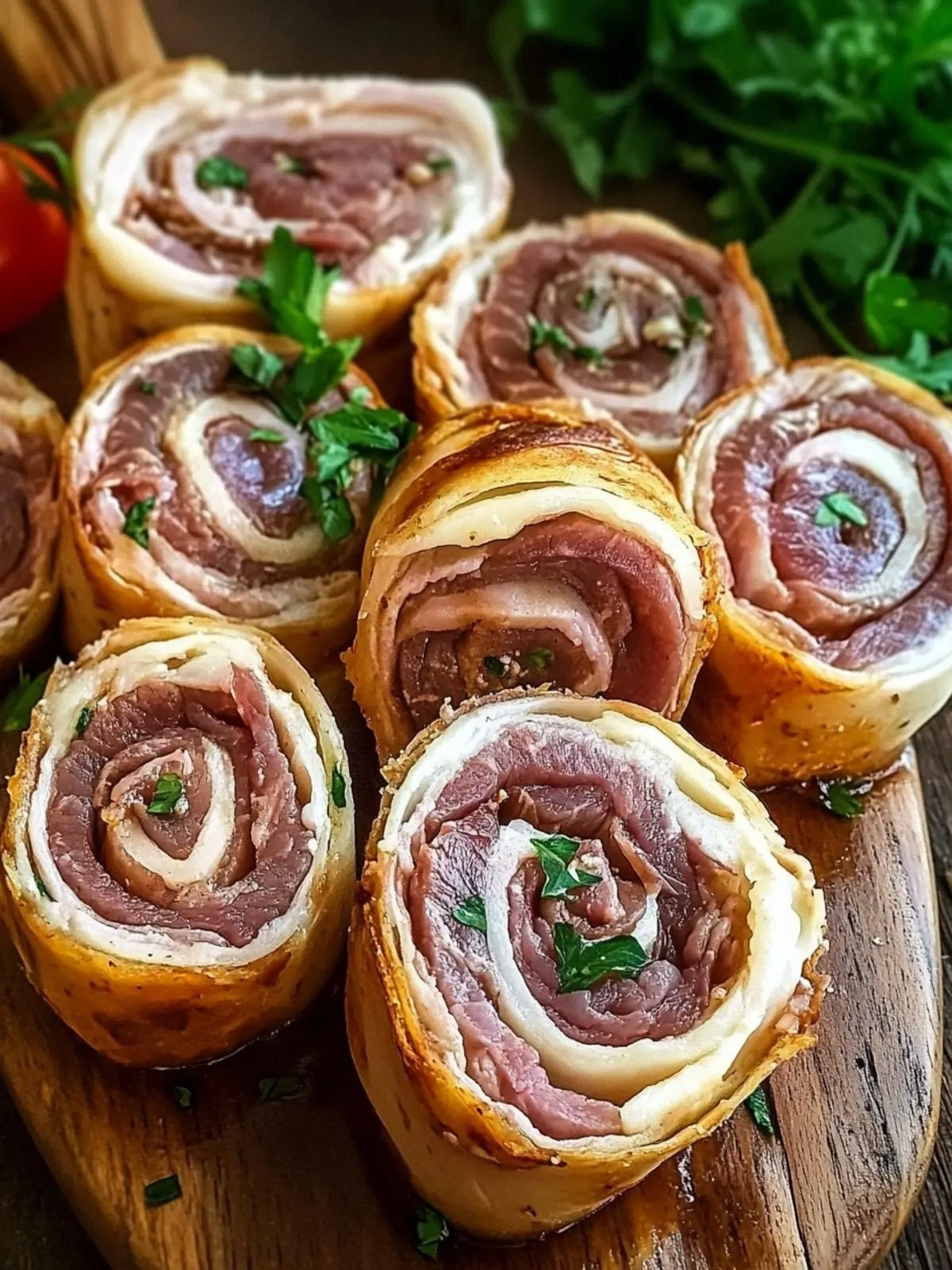
- Roll the tortilla tightly from one end to the other, forming a neat pinwheel. Once rolled, use a sharp knife to slice the pinwheel into bite‑sized rounds. The slices should hold their shape; if they fall apart, the tortilla was too dry or the roll was too loose.
- Heat a non‑stick skillet over medium‑low heat. Place the pinwheel slices seam side down and cook for 2–3 minutes per side, or until the cheese melts and the tortillas are golden brown. The heat should be gentle; high heat can burn the cheese before the tortilla finishes cooking.
- Remove the pinwheels from the skillet and let them rest on a paper towel for a minute to drain excess oil. Serve hot, garnished with a sprinkle of fresh thyme or a drizzle of olive oil if desired. The final product should be a crispy exterior with a molten, savory interior.
That’s it—you did it. But hold on, I’ve got a few more tricks that will take this to another level. These insider tips will make your pinwheels even more unforgettable.
Insider Tricks for Flawless Results
The Temperature Rule Nobody Follows
Cooking the pinwheels at a steady medium‑low heat ensures the cheese melts evenly without scorching the tortilla. I’ve found that a temperature of 320°F (160°C) is ideal for a gentle, even heat. If you’re using a gas stove, keep the flame low and use a heat‑resistant spatula to flip the slices. Skipping this step often leads to a burnt exterior and a lukewarm interior.
Why Your Nose Knows Best
The aroma that rises during the first few minutes of cooking is a reliable indicator of doneness. A warm, buttery scent signals that the cheese is melting perfectly. If you notice a sharp, almost metallic smell, the skillet is too hot and the cheese is burning. Trust your nose; it’s a seasoned chef’s best friend.
The 5-Minute Rest That Changes Everything
After cooking, let the pinwheels rest for five minutes on a wire rack. This step allows the residual heat to finish melting the cheese and prevents the tortillas from becoming soggy. It also gives the flavors a chance to settle, making each bite more harmonious. I’ve seen people skip this, and the result is a less cohesive, slightly greasy bite.
The Quick Toast Trick
If you’re short on time, a quick toast in a toaster or under a broiler works wonders. Just toast the tortillas for 30 seconds on each side, then proceed with the recipe. This shortcut saves time without compromising texture. I’ve used it during dinner parties when the clock was ticking.
The “Fold and Freeze” Method
For a make‑ahead option, assemble the pinwheels and freeze them in a single layer on a parchment‑lined tray. Once frozen, transfer them to a zip‑lock bag and store for up to two weeks. When ready to serve, bake at 350°F (175°C) for 15 minutes, or until hot. This method keeps the cheese from drying out and preserves the flavor profile.
Creative Twists and Variations
This recipe is a playground. Here are some of my favorite ways to switch things up:
Spicy Jalapeño Pinwheels
Add thinly sliced jalapeños to the horseradish spread for a fiery kick. The heat complements the sharpness of horseradish, creating a layered spicy experience. This variation is perfect for summer gatherings.
Herb‑Infused Pinwheels
Swap the dried thyme for fresh basil or oregano. The aromatic herbs bring a fresh, green note that brightens the dish. This version pairs well with a light white wine.
Smoky Chipotle Pinwheels
Stir a teaspoon of chipotle powder into the horseradish mixture for a smoky, slightly sweet flavor. The chipotle’s depth pairs beautifully with the beef’s natural savoriness. Serve with a dollop of sour cream to cut the heat.
Vegetarian Pinwheels
Replace the roast beef with thinly sliced grilled portobello mushrooms. The earthy flavor of the mushrooms complements the horseradish, while the cheeses keep the texture indulgent. This variation is great for a crowd with varied dietary preferences.
Cheesy Jalapeño‑Cheddar Pinwheels
Swap Monterey Jack for sharp cheddar and add a dash of smoked paprika. The cheddar’s sharpness and the paprika’s smoky note elevate the dish to a new level of comfort food. It’s a crowd‑pleaser at game nights.
Citrus‑Bright Pinwheels
Add a tablespoon of fresh lemon zest to the horseradish mixture. The citrus brightens the dish, balancing the richness of the beef and cheese. This variation is ideal for brunch or a light lunch.
Storing and Bringing It Back to Life
Fridge Storage
Store pinwheels in an airtight container in the refrigerator for up to 3 days. Keep them in a single layer to maintain crispness. When ready to serve, reheat in a preheated oven at 350°F (175°C) for 10 minutes, or until hot. The cheese will melt again, and the tortillas will regain their golden crunch.
Freezer Friendly
Freeze assembled pinwheels on a parchment‑lined tray for up to 2 weeks. Once frozen, transfer them to a zip‑lock bag. To reheat, bake at 350°F (175°C) for 15 minutes or until warm. The cheese will soften nicely, and the tortillas will stay crisp.
Best Reheating Method
The best way to reheat is in a preheated oven at 350°F (175°C). If you’re short on time, a microwave works, but the tortillas may become soggy. Add a tiny splash of water before reheating to steam the cheese back to perfection. This trick ensures the interior stays moist while the exterior stays crisp.