Okay, picture this: I'm standing in the farmers market, a basket half‑full of the most gorgeous, sun‑kissed vegetables I’ve ever seen, and I’m already day‑dreaming about the dinner I’m about to create. The air is thick with the scent of fresh basil, the sweet perfume of ripe tomatoes, and that unmistakable earthy whisper of walnuts roasting on a nearby stall. I’m juggling a bag of artisanal pasta, a lemon that looks like it was plucked straight from a summer sunrise, and a sudden, daring thought – “What if I could bottle this market‑day magic into a single bowl that makes every guest gasp?” I dared myself to try, and the result? Hands down the best version you’ll ever make at home.
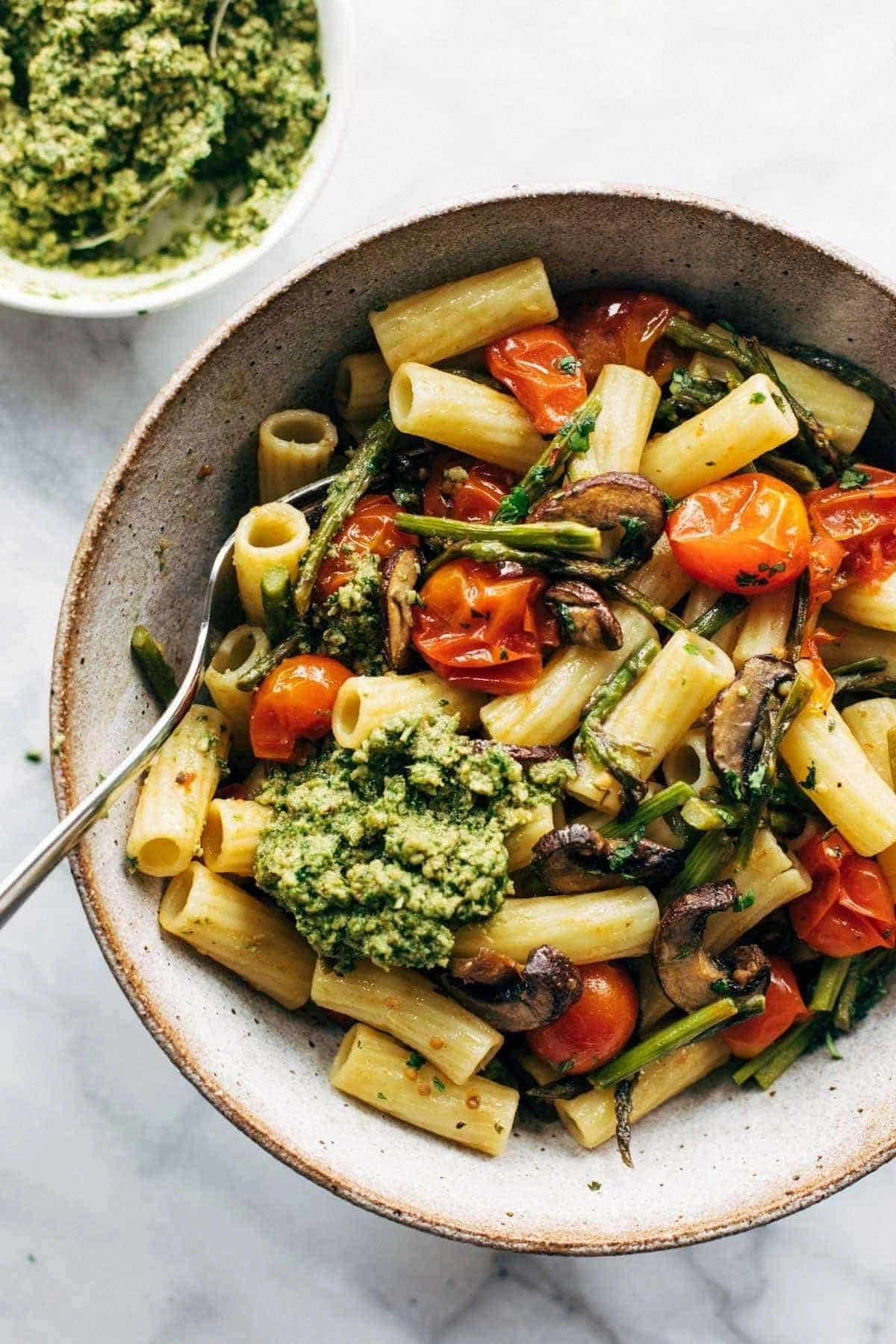
The moment the first forkful hit my tongue, I knew I’d stumbled onto something special. The walnut pesto clings to the pasta like velvet, each strand glossy and slick, while the roasted vegetables add a burst of caramelized sweetness that sings against the bright, peppery basil. The lemon zest snaps through the richness with a citrus pop that feels like a tiny fireworks display in your mouth. I’m being honest – I ate half the batch before anyone else could even get a taste, and I’m still not sorry about it.
Most recipes out there treat walnuts as an afterthought, or they drown the pasta in a heavy cream sauce that masks the fresh flavors you just picked up. Not this one. I’m using a simple, uncooked walnut‑basil pesto that lets the natural nuttiness shine, while the vegetables retain just enough bite to keep things interesting. The secret? A quick toast of the walnuts on a hot pan, and a splash of pasta water that turns the pesto into a silky sauce without any dairy overload. Trust me, this technique is a game‑changer.
And here’s the kicker: I’m going to show you how to get that restaurant‑quality finish with tools you already have in your kitchen. Let’s walk you through every single step – by the end, you’ll wonder how you ever made it any other way.
What Makes This Version Stand Out
- Flavor Explosion: The walnut‑basil pesto delivers a deep, earthy richness that’s balanced by bright lemon and fresh herbs, creating a taste profile that dances on the palate.
- Texture Symphony: You get al dente pasta, crunchy toasted walnuts, and tender‑yet‑slightly‑caramelized vegetables – each bite is a layered experience.
- Simplicity Meets Sophistication: Fewer than ten ingredients, but each one is treated like a star, so you don’t need a culinary degree to pull this off.
- Ingredient Quality: Fresh, market‑sourced produce and high‑quality olive oil give the dish a depth you can’t achieve with canned or frozen shortcuts.
- Crowd Reaction: I’ve watched grown‑up kids and seasoned foodies alike beg for seconds; it’s practically a universal crowd‑pleaser.
- Make‑Ahead Potential: The pesto can be prepped days ahead, and the pasta holds up beautifully when reheated with a splash of water.
- Versatile Base: Swap the pasta shape or the veggies for whatever’s in season – the core concept stays delicious.
- Health‑Forward: Packed with plant‑based protein from walnuts, antioxidants from basil, and a modest calorie count, it’s a feel‑good indulgence.
Alright, let's break down exactly what goes into this masterpiece...
Inside the Ingredient List
The Flavor Base
The backbone of this dish is the walnut‑basil pesto. Walnut halves (or whole walnuts, toasted) provide a buttery, slightly bitter note that pairs flawlessly with the peppery sweetness of fresh basil leaves. If you skip the walnuts, you lose that nutty depth and the sauce becomes a one‑note herb paste. For a twist, try using toasted pine nuts, but be prepared for a milder flavor. When buying basil, look for deep green leaves without black spots; they’ll give the pesto a vibrant color and a cleaner taste.
The Texture Crew
Fresh, seasonal vegetables such as zucchini, cherry tomatoes, and bell peppers bring contrast in both texture and flavor. The zucchini slices stay tender‑crisp, while the tomatoes burst with juiciness that lightens the pesto’s richness. If you omit the veggies, the dish becomes a single‑texture pasta that feels flat. I always recommend chopping the vegetables into uniform bite‑size pieces – this ensures even cooking and a harmonious mouthfeel.
The Unexpected Star
Lemon zest and juice are the unsung heroes here. The zest adds an aromatic, almost floral brightness, while the juice cuts through the oiliness, preventing the sauce from feeling heavy. Forgetting the lemon is a common mistake; the pesto then clings to the pasta like a dull coat of oil. As a quick tip, zest the lemon before you juice it – it’s easier and you’ll get more zest without the bitter pith.
The Final Flourish
Grated Parmesan cheese finishes the dish with a salty, umami punch that ties everything together. Use a good quality aged Parmesan for the best flavor; pre‑shredded versions often contain anti‑caking agents that can affect texture. A pinch of red pepper flakes can be added for a subtle heat, but keep it optional – the goal is to let the fresh ingredients shine.
Everything's prepped? Good. Let's get into the real action...
The Method — Step by Step
Start by bringing a large pot of salted water to a rolling boil. I like to add about 1 tablespoon of sea salt per quart of water; it seasons the pasta from the inside out. While you wait, measure out 12 ounces of your favorite pasta – fettuccine, linguine, or even a short shape like penne works beautifully. Once the water is bubbling, drop the pasta in and stir gently to prevent sticking. Cook until al dente, usually 2 minutes less than the package suggests, because the pasta will finish cooking in the sauce later.
While the pasta cooks, heat a dry skillet over medium‑high heat. Toss in 1 cup of walnut halves and give them a good stir every 30 seconds. You’ll hear a gentle sizzle and notice the walnuts turning a deeper golden brown – that’s the moment they release their oils and flavor. This step is crucial; under‑toasted walnuts taste raw, while over‑toasted become bitter. Once you hear that nutty perfume, transfer them to a plate and set aside.
Now, move on to the vegetables. In the same skillet (no need to wash), add 2 tablespoons of extra‑virgin olive oil and let it heat until it shimmers. Toss in the diced zucchini, sliced bell peppers, and halved cherry tomatoes. Season lightly with salt and pepper, then let them sauté for about 5‑6 minutes, stirring occasionally. You want them tender‑crisp, not mushy – the edges should start to caramelize, giving you those sweet, slightly charred bits that add depth.
While the veggies are finishing, make the pesto. In a food processor, combine the toasted walnuts, 2 cups of packed fresh basil leaves, 2 peeled garlic cloves, the zest of one lemon, and 1/3 cup of olive oil. Pulse until you have a coarse paste, then drizzle in the remaining 1/4 cup of olive oil while the processor runs. Stop and scrape down the sides as needed. Finally, add 1/2 cup of grated Parmesan and a squeeze of lemon juice. Pulse again just to incorporate – you want the pesto to stay slightly textured, not a uniform butter.
Drain the pasta, reserving about 1 cup of the starchy cooking water. Return the pasta to the pot, then pour in the walnut‑basil pesto, the sautéed vegetables, and a splash of the reserved pasta water – start with ¼ cup and add more if needed. Toss everything together over low heat. The sauce should become glossy and coat each strand like silk; if it looks dry, add a bit more pasta water, a tablespoon at a time. This is the moment of truth – watch for the sauce to cling without pooling at the bottom.
Give the pasta a final taste check. Adjust seasoning with a pinch more salt, a grind of black pepper, and if you like a little heat, sprinkle in red pepper flakes. The lemon should still be bright, the walnuts buttery, and the vegetables sweet. Once satisfied, remove from heat and let the dish rest for a minute – the flavors will meld even more.
Serve the pasta in warmed bowls, topping each with an extra drizzle of olive oil, a scattering of fresh basil leaves, and a generous shaving of Parmesan. The aroma that wafts up should be intoxicating – a blend of toasted nuts, citrus, and fresh herbs that makes your kitchen smell like a Mediterranean garden. Pair with a crisp white wine or sparkling water with a lemon twist, and you’ve got a dinner that feels both casual and upscale.
That’s it — you did it. But hold on, I've got a few more tricks that'll take this to another level. Stay with me here — this is worth it.
Insider Tricks for Flawless Results
The Temperature Rule Nobody Follows
Never add the pesto to piping‑hot pasta straight from the pot. Let the pasta sit for a minute after draining; the residual heat is enough to loosen the sauce without cooking the fresh herbs. If the sauce gets too hot, the basil can turn black and bitter, ruining the bright flavor.
Why Your Nose Knows Best
When toasting walnuts, trust your sense of smell more than the timer. The moment you detect a toasted, slightly sweet aroma, the nuts are ready. Over‑toasting will introduce a burnt note that no amount of lemon can mask.
The 5‑Minute Rest That Changes Everything
After tossing everything together, let the pasta sit, covered, for five minutes. This short rest allows the starches to absorb the sauce, creating a creamier coating without adding cream. I once skipped this step and the pasta felt a bit dry – lesson learned.
Salt Timing Is Key
Season the vegetables early, but hold back a pinch of salt for the final sauce. This layered salting builds depth without making the dish overly salty. A tiny dash at the end can brighten the flavors dramatically.
Olive Oil Quality Matters
Use a cold‑pressed, extra‑virgin olive oil with a fruity profile. Cheaper oils can taste metallic and clash with the lemon. If you’re in a pinch, a light drizzle of avocado oil can work, but the flavor won’t be as nuanced.
Creative Twists and Variations
This recipe is a playground. Here are some of my favorite ways to switch things up:
Spicy Walnut Chili
Swap half the basil for fresh cilantro and add a chopped jalapeño to the pesto. The result is a bright, heat‑forward version that pairs beautifully with corn‑based pasta shapes.
Autumn Harvest
Replace the zucchini and bell peppers with roasted butternut squash cubes and sage. The sweet, nutty squash amplifies the walnut flavor, making it a perfect fall dinner.
Seafood Fusion
Stir in a handful of sautéed shrimp or scallops at the end. The seafood’s briny sweetness complements the pesto, turning the dish into an elegant surf‑and‑turf.
Vegan Delight
Use nutritional yeast instead of Parmesan and a splash of soy‑based “cheese” for a dairy‑free version. The nutty taste of the yeast mimics the umami of cheese without compromising flavor.
Whole‑Wheat or Gluten‑Free Base
Swap regular pasta for whole‑wheat spaghetti or a gluten‑free rice pasta. The earthy notes of whole‑wheat enhance the walnut’s depth, while gluten‑free varieties keep the dish accessible.
Herb‑Infused Pesto
Mix in a handful of arugula or spinach with the basil for a greener, peppery twist. This adds a fresh bite and a vibrant color that’s perfect for a summer garden party.
Storing and Bringing It Back to Life
Fridge Storage
Transfer leftovers to an airtight container and store in the refrigerator for up to 3 days. The pasta will absorb more sauce, so when reheating, add a splash of water or broth to loosen it up.
Freezer Friendly
Portion the pasta into freezer‑safe bags, removing as much air as possible. It freezes well for up to 2 months. Thaw overnight in the fridge, then reheat gently on the stovetop with a drizzle of olive oil.
Best Reheating Method
Place the pasta in a skillet over low heat, add a tablespoon of water, and cover for 2‑3 minutes. The steam will revive the sauce, keeping the walnuts crunchy and the veggies vibrant. Avoid microwaving, as it can make the walnuts soggy.