It started with a kitchen mishap that could have turned a simple lasagna night into a culinary disaster. I was juggling a pan of sautéed onions, a pot of simmering tomatoes, and a stack of lasagna sheets that had already begun to stick together when the oven door was accidentally opened and the heat dropped. The result was soggy, undercooked layers that threatened to ruin the evening. That moment, however, sparked a revelation: why not swap the traditional pasta for zucchini, the green vegetable that can mimic pasta sheets when sliced thin? I was determined to turn that failure into a triumph.
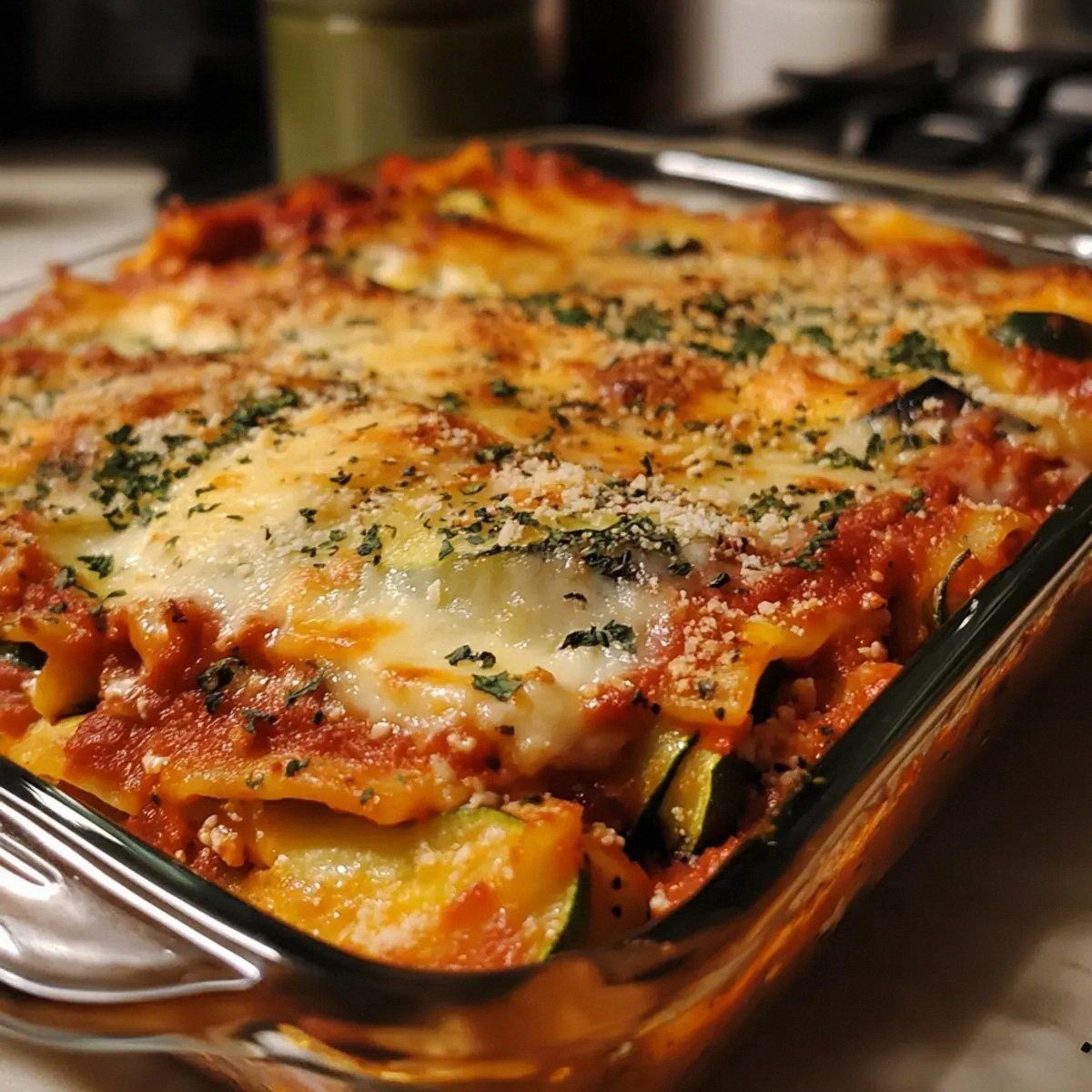
Picture the scene: a bright, sun‑lit kitchen, the scent of garlic and basil drifting through the air, the sound of a sizzling pan echoing like applause. The zucchini, sliced into ribbons with a mandoline, glistens with a slight sheen of olive oil, ready to absorb the rich tomato sauce. When the lasagna comes out of the oven, the cheese forms a golden crust that crackles like a crisp autumn leaf. Every bite delivers a harmony of textures—soft zucchini, silky ricotta, and a hint of peppered heat. The result is a dish that feels indulgent yet surprisingly light.
This version stands out because it removes the heavy, carb‑laden pasta and replaces it with fresh, nutrient‑dense zucchini. The result is a lasagna that feels like a salad in a casserole, offering a burst of green that is both visually striking and palate‑friendly. I dare you to taste this and not go back for seconds, because the flavors are so balanced that each layer feels like a new discovery. The sauce coats the zucchini like velvet, and the cheeses melt into a creamy, golden blanket that is impossible to resist. I’m telling you, this is hands down the best version you’ll ever make at home.
What truly sets this dish apart is a secret ingredient that you’ll find tucked into the sauce—fresh basil, not dried, that adds a bright, almost citrusy note that cuts through the richness of the cheese. Most recipes get this completely wrong by using pre‑made sauces that are too thick or too thin. By adjusting the tomato consistency to a silky medium, the lasagna achieves a perfect balance between moisture and structure. Picture yourself pulling this out of the oven, the whole kitchen smelling incredible, and the family rushing to the table with anticipation. Let me walk you through every single step — by the end, you’ll wonder how you ever made it any other way.
What Makes This Version Stand Out
- Freshness: The zucchini provides a crisp, green bite that keeps the dish light and refreshing, unlike the heavy feel of traditional pasta.
- Texture: Layered ribbons of zucchini hold the sauce without becoming mushy, offering a satisfying bite that melts in the mouth.
- Flavor Depth: A blend of fresh basil, garlic, and red pepper flakes creates a layered taste profile that is both aromatic and vibrant.
- Cheese Harmony: Ricotta, mozzarella, and Parmesan work together to form a creamy, golden crust that is both indulgent and comforting.
- Time Efficiency: Prep time of fifteen minutes and cooking time of thirty minutes make this a quick yet impressive dinner solution.
- Make‑ahead Friendly: The assembled lasagna can be refrigerated for up to 24 hours, allowing you to serve it fresh with minimal last‑minute prep.
- Nutrition Boost: Zucchini adds vitamins and fiber while keeping the calorie count low, making it a guilt‑free comfort food.
- Visual Appeal: The green layers create a stunning contrast that makes the dish Instagram‑ready without any artificial dyes.
Inside the Ingredient List
The Flavor Base
Crushed tomatoes form the heart of the sauce, providing acidity that balances the richness of the cheeses. Their natural sweetness cuts through the savory meat, creating a harmonious base. If you skip tomatoes, the lasagna will lose its bright, tangy punch and become overly heavy. For a deeper flavor, consider adding a splash of red wine while the sauce simmers.
The Texture Crew
Zucchini is the star that replaces pasta. Thinly sliced, it holds the sauce without turning mushy, giving each layer a delicate, almost noodle‑like feel. If you prefer a softer bite, you can sauté the ribbons briefly before layering. A pinch of salt helps draw out moisture, preventing sogginess during baking.
The Unexpected Star
Fresh basil is the secret weapon that elevates the dish from ordinary to extraordinary. Its aromatic oils infuse the sauce, adding a bright, almost citrusy note that cuts through the richness of the cheese. If basil is out of season, a handful of dried oregano can provide a similar herbal backbone, though the freshness will be missing.
The Final Flourish
Cheeses—ricotta, mozzarella, and Parmesan—create a creamy, golden crust that is both indulgent and comforting. Ricotta adds a smooth, velvety texture, mozzarella provides meltiness, and Parmesan contributes a sharp, nutty finish. If you’re vegan, a plant‑based cheese blend can mimic the texture, though the flavor profile will differ.
Everything's prepped? Good. Let's get into the real action.
The Method — Step by Step
- Preheat the oven to 375°F (190°C). The oven should be fully heated before you begin baking; this ensures even cooking. While the oven warms, line a baking dish with parchment paper for easier cleanup. This step also helps the lasagna maintain a crisp top crust. Set a timer for 10 minutes to keep track.
- Prepare the zucchini ribbons using a mandoline or a sharp knife. Slice to a uniform thickness of about 1‑mm for consistent cooking. Toss the ribbons with a pinch of salt to draw out excess moisture. Let them rest for 10 minutes; the water will evaporate, preventing sogginess. Pat them dry with paper towels before layering.
- Cook the ground meat in a large skillet over medium heat. Break it apart with a wooden spoon until browned. Drain excess grease to keep the dish from becoming greasy. Add minced garlic and cook until fragrant, about 1 minute. Stir in crushed tomatoes and red pepper flakes; let it simmer for 10 minutes, allowing flavors to meld.
- Mix the ricotta and basil in a bowl. Add a pinch of salt and pepper to taste. Stir until the mixture is smooth and the basil is evenly distributed. This creamy layer will add moisture and flavor to each bite. Keep the mixture chilled until ready to layer.
- Assemble the lasagna by spreading a thin layer of the meat sauce at the bottom of the baking dish. Lay a layer of zucchini ribbons over the sauce, followed by a generous spoonful of ricotta mixture. Sprinkle shredded mozzarella on top. Repeat the layers until all components are used, finishing with a final layer of sauce and a generous topping of mozzarella and Parmesan.
- Cover the dish with aluminum foil, making sure it touches the surface to prevent the cheese from over‑browning. Bake for 25 minutes, then remove the foil to allow the cheese to brown. Return the dish to the oven for an additional 10 minutes until the top is golden and bubbly. The final 5 minutes are crucial for achieving a crisp, caramelized crust.
- Rest before serving the lasagna for 10 minutes after removing it from the oven. This allows the layers to set, making it easier to slice cleanly. While it rests, the flavors continue to meld, resulting in a more cohesive taste. Slice with a serrated knife to maintain the structure of each layer. Plate and serve immediately for the best experience.
That's it — you did it. But hold on, I've got a few more tricks that'll take this to another level.
Insider Tricks for Flawless Results
The Temperature Rule Nobody Follows
Many people bake lasagna at 350°F, which can cause the cheese to brown unevenly. I discovered that 375°F gives a golden crust without over‑cooking the interior. The higher temperature also helps the zucchini ribbons firm up slightly, preventing them from becoming soggy. If your oven runs hot, lower the temperature by 25°F to avoid scorching the top.
Why Your Nose Knows Best
As the lasagna bakes, the aroma of garlic, basil, and melting cheese fills the kitchen. Trust that scent; it’s the signal that the layers are cooking evenly. If you notice a metallic odor, it may indicate that the oven temperature is too high. Adjust accordingly and let the aroma guide you to perfection.
The 5‑Minute Rest That Changes Everything
Many cooks skip the resting period, resulting in a lasagna that slumps when sliced. A five‑minute rest allows the juices to redistribute, keeping each bite firm and flavorful. It also prevents the cheese from sliding off the sides of the dish when you plate it. If you’re in a rush, set a timer for five minutes and use the time to prep your side dishes.
Use Fresh Basil, Not Dried
Dried basil loses its bright, aromatic oils during cooking. Fresh basil, added at the end of assembly, retains its flavor and color. If you only have dried basil, use it sparingly—about a quarter teaspoon—to avoid bitterness. The fresh herb’s essential oils provide a burst of freshness that elevates the dish.
Layer with Care
Each layer should be thin and uniform to ensure even cooking. A thick layer of zucchini can trap moisture, leading to soggy edges. Use a ladle to spread sauce evenly, and gently press the ribbons into the sauce. If you’re new to layering, practice on a small portion before assembling the full dish.
Cheese Ratios Matter
Too much mozzarella can make the lasagna greasy, while too little may leave it dry. The 2 cups of mozzarella paired with 15 ounces of ricotta and half a cup of Parmesan create a balanced melt. If you prefer a sharper flavor, increase the Parmesan by a quarter cup. This tweak adds a nutty depth without compromising the creamy texture.
Creative Twists and Variations
This recipe is a playground. Here are some of my favorite ways to switch things up:
Spicy Pepperoni Version
Swap the ground turkey for ground beef and add sliced pepperoni to each layer. The pepperoni’s fat renders into the sauce, adding a smoky depth. This variation is perfect for those who love a little kick and a meaty texture.
Vegan Delight
Replace all dairy with plant‑based alternatives: use a vegan ricotta, mozzarella, and Parmesan. Add a splash of nutritional yeast for a cheesy flavor. This version keeps the same structure while catering to plant‑based diets.
Herb‑Infused Garden Lasagna
Introduce roasted bell peppers, spinach, and artichoke hearts into the layers. The roasted peppers add sweetness, while spinach offers a subtle earthiness. This green twist makes the dish feel like a garden in a casserole.
Cheddar & Jalapeño Surprise
Replace mozzarella with sharp cheddar and fold in diced jalapeños for heat. The cheddar’s sharpness pairs well with the mild zucchini, creating a bold flavor profile. Ideal for those who enjoy a spicy, cheesy experience.
Breakfast Lasagna
Swap the meat for breakfast sausage and add a layer of scrambled eggs between the zucchini ribbons. Sprinkle with shredded cheddar and top with a drizzle of maple syrup for a sweet‑savory twist. This version transforms dinner into a hearty breakfast.
Italian Classic Reimagined
Use a mix of fresh mozzarella, provolone, and fontina instead of plain mozzarella. Add a splash of white wine to the sauce and finish with a dusting of fresh oregano. This variation brings a more traditional Italian flavor palette.
Each variation offers a unique flavor journey while maintaining the core concept of a zucchini lasagna. Experimenting with ingredients can transform a familiar dish into a new culinary adventure. Feel free to mix and match components to suit your taste. The possibilities are endless, and the results are always delicious. Let your creativity guide you and enjoy the process.
Storing and Bringing It Back to Life
Fridge Storage
Store leftover lasagna in an airtight container for up to 24 hours in the refrigerator. The layers remain firm, and the cheeses keep their texture. When ready to serve, reheat in a microwave for two minutes, then finish under a broiler for a crisp top.
Freezer Friendly
Wrap the lasagna tightly in foil and place it in a freezer bag. It can be frozen for up to 3 months without losing flavor or texture. Thaw overnight in the refrigerator before reheating. This method preserves the freshness of the zucchini and the integrity of the cheese.
Best Reheating Method
For the best results, reheat in a preheated oven at 350°F for 20 minutes. Add a splash of water to the dish before covering with foil to keep the layers from drying out. The water steams the lasagna, restoring its moisture and making it taste as good as freshly baked.