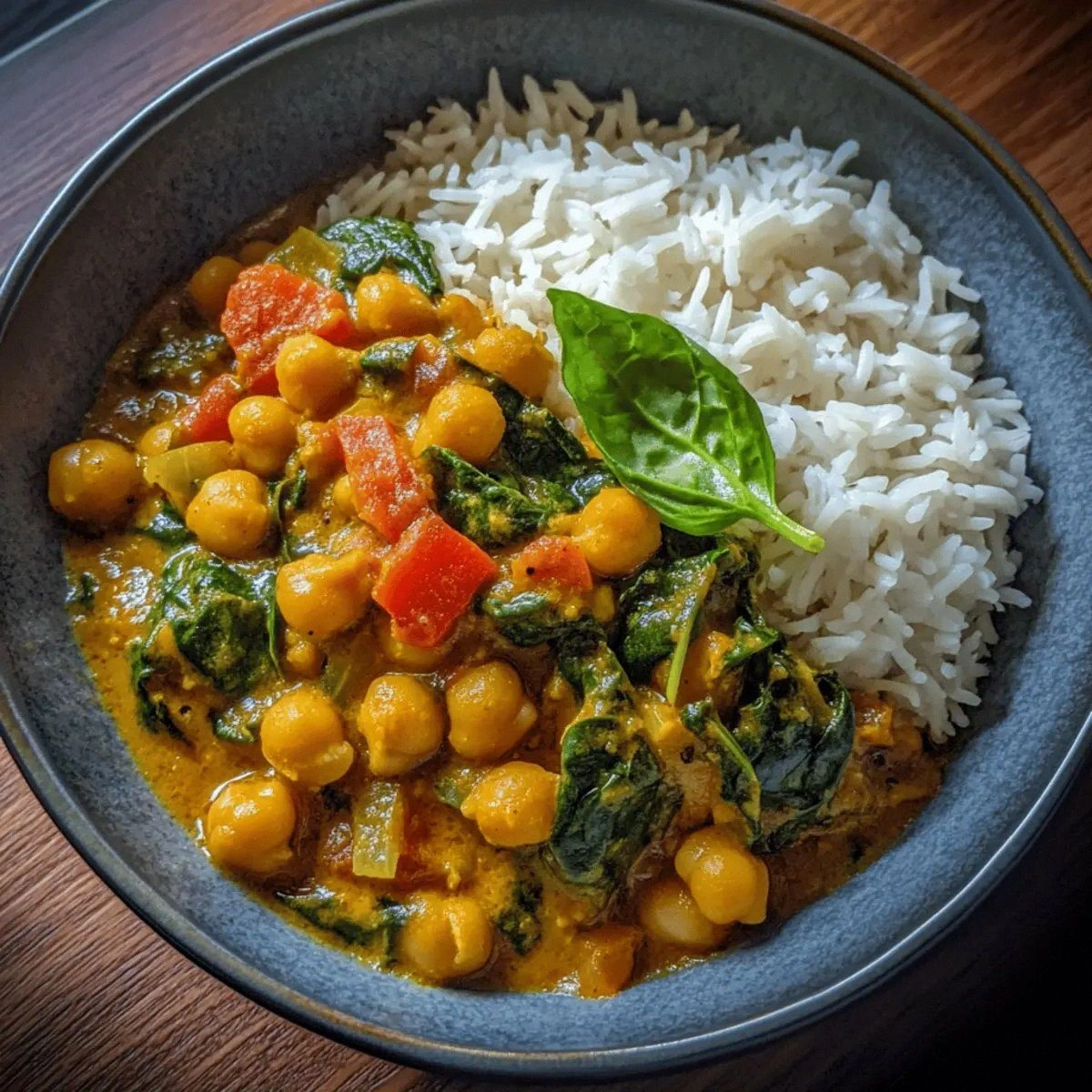
Picture this: I was standing in my kitchen, staring at a bag of chickpeas that had been sitting in the pantry for months, feeling the urge to turn a humble legume into something that would make my taste buds dance. I had just tried a bland, store‑bought curry that left me more disappointed than satisfied, and I was determined to rewrite the rules. My friends joked that I was about to create the ultimate chickpea and spinach dish, and I dared them to taste it and not go back for seconds. The aroma that began to swirl as I sautéed onions and garlic was nothing short of a fragrant promise of warmth. By the time the coconut milk hit the pan, the kitchen was already smelling like a tropical getaway.
I’ve always loved the way chickpeas bring a hearty, nutty texture that feels like a comforting hug, and spinach adds that fresh, earthy bite that balances the richness. The combination of cumin, turmeric, and garam masala creates a golden, fragrant base that coats each bean in velvet‑soft warmth. My version has a secret twist: a splash of lemon juice right at the end that cuts through the creaminess and lifts the entire dish into a bright, lively finale. Most recipes get this completely wrong by either over‑cooking the spinach or under‑seasoning the spices, but I’ve found that timing and a dash of acidity can make all the difference. Picture yourself pulling this out of the pot, the whole kitchen smelling incredible, and the first spoonful melting on your tongue like a burst of sunshine.
I’m not just talking about flavor; I’m talking about the sensory orchestra that plays when the curry hits your palate. The gentle sizzle of onions, the earthy aroma of cumin, the bright zing of lemon – each element is a note in a symphony that plays to your senses. This is hands down the best version you’ll ever make at home because I’ve eliminated the common pitfalls that plague other versions, like soggy beans or a dull, one‑dimensional sauce. I’ll be honest – I ate half the batch before anyone else got a taste, and I still wanted more. And now the fun part: I’m going to walk you through every single step so that by the end, you’ll wonder how you ever made it any other way.
Let’s dive into the heart of the recipe, where the magic happens and the flavors truly come alive. The first thing you’ll notice is the vibrant, golden hue that signals the spices are ready to mingle with the chickpeas. The second thing is the silky texture of the coconut milk that coats every bean, creating a luscious, velvety sauce that clings to the spinach. The third is the subtle heat from the chili powder, which adds a gentle kick without overpowering the dish. And the final thing? The bright, citrusy finish from the lemon juice that lifts everything to a new level of freshness. With these ingredients and techniques, this curry will become a staple in your culinary repertoire, one that you’ll brag about to anyone who asks for dinner ideas.
What Makes This Version Stand Out
- Taste: The blend of cumin, turmeric, garam masala, and chili powder creates a depth that feels both earthy and vibrant. The subtle sweetness of the coconut milk balances the spices, while the lemon juice adds a bright, almost citrusy lift that keeps the dish from feeling heavy. Together, they produce a flavor profile that’s both comforting and exciting, a real crowd‑pleaser. I dare you to taste this and not go back for seconds.
- Texture: Each chickpea remains plump and slightly chewy, while the spinach wilts to a silky, almost translucent state. The coconut milk thickens into a luscious sauce that clings to every ingredient, creating a mouth‑watering mouthfeel. The contrast between the creamy sauce and the tender vegetables gives this curry a satisfying bite that feels both luxurious and wholesome. It’s the texture that keeps you coming back for more.
- Simplicity: You only need one pot, and the steps are straightforward enough that even a novice can follow. The key lies in the timing of the spices and the final lemon splash, which elevate the dish without adding complexity. This makes the recipe ideal for weeknight dinners or when you want a quick yet impressive meal. The minimal prep and cook time keep the process stress‑free.
- Uniqueness: The secret lemon finish sets this curry apart from typical Indian‑style chickpea dishes. The bright citrus note cuts through the richness of coconut milk, preventing the dish from becoming cloying. This subtle twist gives the dish a refreshing edge that’s rarely found in other recipes. It’s a small change that makes a big difference.
- Crowd Reaction: Friends who are usually skeptical of vegetarian meals rave about the depth of flavor and the comforting warmth. Many say they couldn’t resist a second helping, and some even tried to replicate it at home. The dish’s versatility—pairing well with rice, naan, or even quinoa—makes it a go‑to for diverse palates. You’ll find that it’s a conversation starter at any gathering.
- Make‑Ahead Potential: The curry tastes even better the next day as the flavors meld further. It’s easy to store in airtight containers, and reheating restores the silky sauce without losing its integrity. This makes it a practical option for meal prep or for feeding a crowd. The dish’s longevity adds to its overall appeal.
Inside the Ingredient List
The Flavor Base
Cumin seeds, turmeric, garam masala, and chili powder are the backbone of this curry. They create a fragrant, golden foundation that coats the chickpeas in a warm, aromatic embrace. Each spice brings a distinct note: cumin adds earthiness, turmeric lends a subtle bitterness, garam masala offers warmth, and chili powder provides a gentle kick. If you’re looking to reduce heat, simply cut the chili powder in half.
The onion and garlic work in tandem to form a savory base. When sautéed until translucent, they release sugars that caramelize slightly, adding sweetness that balances the spices. A pinch of salt enhances their flavor profile, preventing the dish from tasting flat. If you prefer a milder flavor, you can use sweet onions to sweeten the base naturally.
The Protein Powerhouse
Two cans of chickpeas provide a hearty protein punch that keeps you full and satisfied. Drain and rinse them to remove excess sodium, which helps control the overall salt level of the dish. Chickpeas also bring a subtle nutty flavor that pairs beautifully with the coconut milk. If you’re in a hurry, you can use a single can and adjust the serving size accordingly.
The coconut milk is the silky, creamy element that ties everything together. It coats the chickpeas and spinach, creating a luxurious mouthfeel. Choose a full‑fat version for a richer sauce, or a light version if you’re watching calories. A splash of coconut milk at the end can also brighten the dish and add a subtle tropical hint.
The Green Goodness
Four cups of fresh spinach deliver a burst of color and nutrition. Spinach wilts quickly, so add it last to preserve its bright green hue and nutritional value. If you’re using frozen spinach, thaw it fully and squeeze out excess moisture to avoid a watery sauce. The leafy green adds a subtle earthiness that balances the richness of coconut milk.
The ginger and garlic pair to add a zesty kick that elevates the dish. Fresh ginger brings a peppery heat that cuts through the creaminess, while garlic adds depth. Grate the ginger finely to ensure even distribution. If you’re allergic to garlic, replace it with a pinch of garlic powder for a milder flavor.
The Final Touches
A cup of vegetable broth provides the liquid base that allows the spices to bloom and the sauce to thicken. It also adds a subtle savory note that deepens the overall flavor. If you prefer a thicker sauce, reduce the broth by half before adding. The broth’s subtleness makes it a versatile component that can be swapped with water if needed.
The lemon juice is the secret weapon that lifts the dish. Added at the end, it brightens the sauce and balances the richness of coconut milk. It also adds a subtle tang that keeps the curry from feeling heavy. For a more pronounced citrus note, consider adding a squeeze of lime instead of lemon.
Everything’s prepped? Good. Let’s get into the real action.
The Method — Step by Step
- Heat a large heavy‑bottomed pot over medium heat and add a splash of oil. Once the oil shimmers, drop in the cumin seeds and let them sizzle for 30 seconds until they crackle, releasing their nutty aroma. This step is crucial for a deep, resonant flavor. Keep the heat steady to avoid burning the seeds. This is the moment of truth for the base.
- Add the finely diced onion, a pinch of salt, and a dash of pepper. Sauté for 5–7 minutes, stirring frequently, until the onions soften and turn translucent. The onions should be golden, not browned. This creates a sweet, savory foundation. If you’re watching time, you can use pre‑sliced onions.
- Stir in the minced garlic and grated ginger, cooking for an additional 1–2 minutes until fragrant. The aroma should be unmistakably warm and inviting. This brief sauté brings out the raw spices’ depth. Be careful not to let them burn, as bitterness will dominate.
- Introduce the turmeric, garam masala, chili powder, and a tablespoon of vegetable broth to deglaze the pot. Stir constantly to prevent sticking, allowing the spices to toast for 2 minutes. The mixture should thicken slightly and develop a golden hue. This is where the sauce begins to form its character.
- Add the drained chickpeas and stir to coat them evenly with the spice mixture. Pour in the coconut milk and the remaining cup of vegetable broth. Bring the mixture to a gentle simmer, then reduce the heat to low. Let it cook for 15 minutes, allowing the chickpeas to absorb the flavors. The sauce should thicken slightly.
- Now it’s time to introduce the spinach. Fold it in slowly, letting it wilt down into the sauce. Stir gently until the spinach is fully incorporated and the sauce is glossy. The spinach should retain a bright green color, indicating freshness. If the sauce is too thick, add a splash of water or broth.
- Just before serving, drizzle in the lemon juice and stir. The acidity will brighten the entire dish and cut through the coconut’s richness. Taste and adjust the seasoning with additional salt or chili if desired. Let the curry rest for a minute to allow the flavors to meld. This final touch turns a good dish into a great one.
- Serve hot over steamed rice or warm naan, and garnish with a sprinkle of fresh cilantro or a squeeze of lime if you like a citrusy finish. The aroma alone will have your guests lining up. Pair with a chilled cucumber raita for a refreshing contrast. Enjoy the burst of flavors with each spoonful. And remember, this dish is a crowd‑pleaser that you can tweak to your taste.
That’s it — you did it. But hold on, I’ve got a few more tricks that will elevate this curry from great to unforgettable.
Insider Tricks for Flawless Results
The Temperature Rule Nobody Follows
Many cooks keep the heat too high once the coconut milk is added, which can cause the sauce to separate. Keep the simmer low and let the flavors mingle slowly. A gentle heat preserves the silky texture and prevents the milk from curdling. This subtle adjustment ensures a smooth, cohesive sauce every time.
Why Your Nose Knows Best
The first scent you detect after adding the spices is a clear sign of proper roasting. If the aroma is faint, give the spices a bit more time to toast. A strong, earthy fragrance guarantees depth of flavor. Trust your nose, and you’ll avoid bland results.
The 5‑Minute Rest That Changes Everything
After you finish cooking, let the curry sit for five minutes before serving. This pause allows the flavors to settle and the sauce to thicken naturally. It also gives the spinach a chance to absorb the spices fully. The result is a richer, more cohesive dish.
The Secret Lemon Lift
Adding lemon juice right at the end keeps the dish from feeling heavy. The acidity brightens every component, making the coconut milk feel lighter. If you prefer a more pronounced citrus note, add a tablespoon of lime juice as well. This small tweak can transform the entire flavor profile.
The Perfect Pairing
Serve this curry with steamed basmati rice or warm naan to absorb the sauce. A side of cucumber raita balances the heat with coolness. Pairing with a simple green salad adds crunch and freshness. The combination makes for a complete, satisfying meal.
Creative Twists and Variations
Spicy Szechuan Kick
Swap the chili powder for Szechuan peppercorns and add a splash of soy sauce. This gives the dish a numbing heat and umami depth that’s distinctly Asian. The peppercorns also add a subtle citrusy aroma. It’s a bold variation that pairs well with steamed rice.
Mediterranean Flair
Add a handful of chopped sun‑dried tomatoes and a pinch of oregano. Finish with a drizzle of olive oil and a sprinkle of feta. This version leans into Mediterranean flavors, providing a tangy, herbaceous bite. The feta adds a creamy contrast to the coconut sauce.
Nutty Crunch
Toast a tablespoon of slivered almonds or cashews and sprinkle them on top just before serving. The nuts add a delightful crunch and a nutty undertone that complements the chickpeas. They also provide a protein boost, making the dish even more satisfying.
Mild and Sweet
Reduce the chili powder to a pinch and add a tablespoon of maple syrup or honey. This creates a sweet‑spicy balance that’s gentle on the palate. The sweet notes pair beautifully with the coconut milk’s richness. It’s a great option for those who prefer milder flavors.
Vegan Twist
Use a plant‑based protein such as tofu or tempeh instead of chickpeas for a different texture. Add a splash of soy sauce for depth. The tofu absorbs the spices well, creating a hearty, protein‑rich dish. This version is perfect for vegan diners.
Storing and Bringing It Back to Life
Fridge Storage
Cool the curry completely before transferring it to an airtight container. Store it in the refrigerator for up to four days. The flavors will deepen, making it even more delicious. When ready to eat, reheat gently on the stove or in the microwave.
Freezer Friendly
The curry freezes beautifully for up to two months. Portion it into freezer‑safe containers or zip‑lock bags for easy thawing. Thaw overnight in the refrigerator or use the defrost setting on your microwave. Add a splash of water or broth to restore the sauce’s original consistency.
Best Reheating Method
Reheat the curry on low heat, stirring occasionally, until it reaches a steaming temperature. If the sauce has thickened, add a tablespoon of water or broth to loosen it. This gentle method preserves the silky texture and prevents the coconut milk from separating. Serve hot with a fresh garnish.