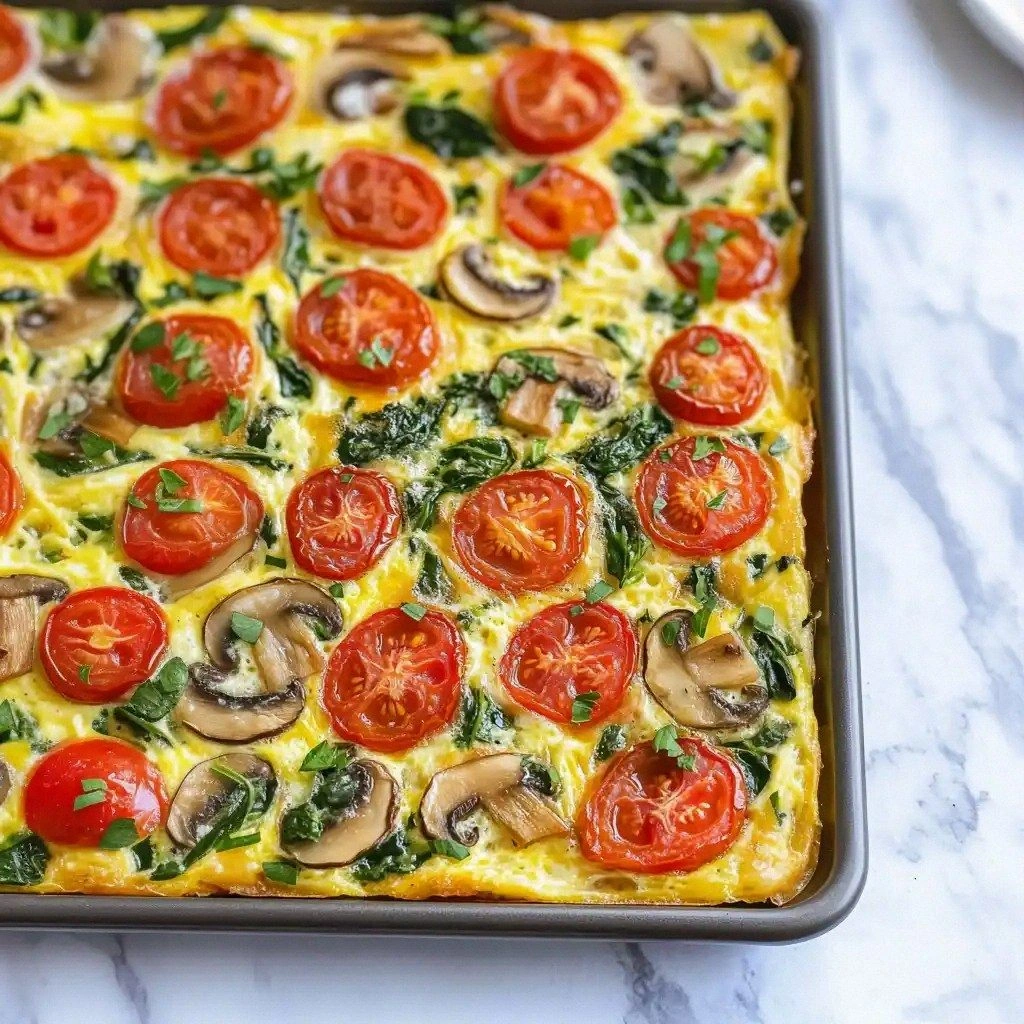
Picture this: you’re standing in a kitchen that smells like burnt toast and burnt dreams, and you’re desperately searching for a way to salvage a batch of over‑cooked eggs that have turned into a rubbery slab. That night, after a culinary catastrophe, a friend texted me a link to a sheet‑pan frittata that promised to turn the disaster into a dish worthy of a food‑blog headline. I was skeptical, but the promise of a one‑pan, no‑fuss, and utterly delicious breakfast that would make me forget the burnt mess was too good to ignore.
When the frittata hit the oven, the kitchen was filled with a warm, savory aroma that made my eyes water in the best way possible. The sound of the eggs bubbling against the pan was like a gentle lullaby, and the visual cue of golden edges curling around the vegetables gave me hope that this was indeed a rescue mission. I could already taste the creamy interior, the burst of cherry tomatoes, and the faint hint of paprika dancing on my tongue. I didn’t even need to take a bite to know that this was the kind of comfort food that turns a bad day into a good one.
I’ve tried countless frittata recipes over the years, but most of them either lack flavor, are too dry, or require a level of skill that feels intimidating. What sets this version apart is that it balances simplicity with a depth of flavor that’s almost impossible to achieve with a handful of ingredients. The combination of fresh spinach, sweet cherry tomatoes, and a splash of paprika creates a symphony of textures and tastes that will make your taste buds sing. And the best part? It’s all done in a single sheet pan, so cleanup is a breeze.
What you’re about to learn is not just a recipe; it’s a culinary shortcut that will have you saying, “I dare you to taste this and not go back for seconds.” By the end of this post, you’ll understand why this is hands down the best version you’ll ever make at home, and you’ll walk away with a frittata that looks as good as it tastes. Let me walk you through every single step — by the end, you’ll wonder how you ever made it any other way.
What Makes This Version Stand Out
- Flavor: The blend of fresh vegetables and herbs creates a bright, savory profile that elevates the humble frittata to a gourmet experience.
- Texture: The eggs are cooked to a silky custard-like consistency while the edges remain crisp, giving you the best of both worlds.
- Ease: One sheet pan, one stove, and one oven—no extra pots, pans, or utensils required.
- Versatility: Swap out the protein or cheese to suit dietary preferences or whatever you have on hand.
- Crowd‑pleaser: It’s the kind of dish that looks impressive on a plate and tastes even better, making it perfect for brunches, potlucks, or a quick weeknight dinner.
- Make‑ahead Potential: It stores beautifully and can be reheated without losing its delicate balance of flavors.
Inside the Ingredient List
The Flavor Base
Eggs are the backbone of any frittata, and using 12 large eggs ensures a rich, creamy texture that coats every bite. The milk or dairy‑free alternative adds moisture and helps the eggs set into a silky custard. A pinch of garlic powder and paprika infuses the whole dish with a subtle warmth that complements the fresh vegetables. If you’re watching sodium, you can reduce the salt to ¼ teaspoon, but don’t skip it entirely—seasoning is the secret to depth.
The Texture Crew
Cherry tomatoes burst with juice, creating a sweet counterpoint to the savory eggs. Spinach wilts into a tender bed of greens that adds color and a dose of iron. Bell peppers provide a slight crunch and a pop of color that makes the dish visually appealing. Mushrooms bring an earthy umami flavor that deepens the overall profile. Together, these vegetables create layers of texture that keep each bite interesting.
The Unexpected Star
Shredded cheese—whether cheddar, feta, or mozzarella—melts into gooey pockets that add a creamy richness. The choice of cheese can shift the flavor profile: cheddar offers sharpness, feta introduces a tang, and mozzarella gives a smooth melt. If you’re dairy‑free, a sprinkle of nutritional yeast or a vegan cheese alternative works just as well. The protein—half a cup of cooked chicken, sausage, or tofu—adds substance and makes this dish filling enough for a main course.
The Final Flourish
The finishing touch is a sprinkle of fresh herbs like basil or parsley, which brings brightness and a fresh finish that cuts through the richness. A drizzle of olive oil before serving adds a silky sheen and enhances the flavors. If you want a touch of heat, a pinch of crushed red pepper can elevate the dish. Remember, the goal is balance: every element should complement the others without overpowering.
Everything’s prepped? Good. Let’s get into the real action…
The Method — Step by Step
- Preheat the Oven: Set your oven to 375°F (190°C). While it heats, grab a large sheet pan and line it with parchment paper for easy cleanup. The oven temperature is crucial for a golden crust without overcooking the interior. Remember, the pan should be hot enough that the eggs set quickly on the bottom.
- Cook the Vegetables: Heat a tablespoon of olive oil in a skillet over medium heat. Add the diced bell peppers, mushrooms, and cherry tomatoes. Sauté for about 3–4 minutes until they’re just tender but still retain some bite. This step locks in their juices and builds a flavorful base for the eggs.
- Whisk the Eggs: In a large bowl, beat the 12 eggs with ½ cup milk until the mixture is frothy. Add ½ teaspoon salt, ½ teaspoon black pepper, ½ teaspoon garlic powder, and ½ teaspoon paprika. The whisking action incorporates air, giving the frittata a light, fluffy texture.
- Combine: Fold the sautéed vegetables, spinach, and cooked protein into the egg mixture. Stir gently to distribute everything evenly without breaking the eggs. The spinach will wilt almost immediately, so you don’t need to cook it separately.
- Pour into the Pan: Transfer the mixture to the preheated sheet pan. Spread it out evenly with a spatula so that the edges cook uniformly. This ensures that the frittata doesn’t develop a raw center.
- Bake: Place the pan in the oven and bake for 18–20 minutes. The edges should start to pull away from the pan, and the center should be set but still slightly custardy. This is the moment of truth—if you pull it out too early, the frittata will be runny.
- Finish Under the Broiler: Switch the oven to broil and cook for 2–3 minutes, watching closely. The top should develop a golden brown crust, giving you that satisfying, slightly crisp finish. This step adds a caramelized flavor that elevates the entire dish.
- Rest and Slice: Remove the pan from the oven and let the frittata rest for 5 minutes. This allows the residual heat to finish cooking the center and makes slicing easier. Slice with a sharp knife, and serve immediately for the best texture.
That’s it — you did it. But hold on, I’ve got a few more tricks that will take this to another level…
Insider Tricks for Flawless Results
The Temperature Rule Nobody Follows
Many people bake frittatas at a higher temperature, thinking it will cook the center faster. In reality, a moderate 375°F (190°C) allows the eggs to set evenly without drying out. I’ve baked at 350°F once and found the frittata too soft; 375°F is the sweet spot. Keep an eye on the edges—they’re the first indicator that the pan is ready to come out.
Why Your Nose Knows Best
The aroma that rises from the pan is a reliable gauge of doneness. A faint, buttery scent signals that the eggs are set, while a stronger, metallic smell might mean you’re overcooking. I’ve learned to trust my nose—if it smells like toasted bread, you’re close. Let the scent guide you, not the timer alone.
The 5‑Minute Rest That Changes Everything
After pulling the frittata from the oven, let it rest for exactly five minutes. This short pause allows the residual heat to finish cooking the center and prevents the edges from becoming soggy. It also makes the frittata easier to slice cleanly. I’ve seen people slice right away and end up with a mess; the rest is a game‑changer.
Use the Right Pan
A heavy‑bottomed sheet pan distributes heat evenly and prevents hot spots that can burn the edges. I’ve used a cast‑iron sheet pan before, and the results were flawless. If you don’t have a heavy pan, simply place a smaller pan inside the sheet pan to even out the heat. The extra surface area also means fewer spots of overcooked eggs.
Cheese Choice Matters
While cheddar gives a sharp bite, mozzarella offers a silky melt that coats each bite. Feta adds a tangy punch that cuts through the richness. If you’re looking for a low‑fat option, try a part‑skim mozzarella or a vegan cheese alternative. The key is to use enough cheese to create pockets of gooeyness without drowning the frittata.
Don’t Forget the Broil
Skipping the broil step leaves the frittata looking flat and bland. The brief broil caramelizes the top, giving a satisfying crunch and a golden finish. Keep the pan close to the broiler—just a few inches—to avoid burning. I’ve seen frittatas that look like pancakes; the broil adds the finishing touch.
Creative Twists and Variations
This recipe is a playground. Here are some of my favorite ways to switch things up:
Midnight Mediterranean
Swap the spinach for arugula, add kalamata olives, and finish with crumbled feta. Serve with a drizzle of lemon‑olive oil for a zesty finish. This version feels like a Mediterranean breakfast that’s perfect for late‑night cravings.
Smoky Chipotle
Replace the paprika with chipotle powder and add diced roasted corn for a smoky sweetness. Top with a dollop of Greek yogurt and fresh cilantro. The smoky heat pairs wonderfully with the creamy eggs.
Italian Sausage & Ricotta
Use spicy Italian sausage as the protein and swirl in a spoonful of ricotta before baking. The ricotta adds a velvety texture that balances the sausage’s kick. Sprinkle with grated Parmesan for an extra layer of flavor.
Vegan Powerhouse
Replace the eggs with a chickpea‑based batter and use tofu or tempeh for protein. Add nutritional yeast for a cheesy flavor and a splash of soy sauce for umami. This version is protein‑rich and completely dairy‑free.
Autumn Harvest
Incorporate roasted butternut squash, sage, and a splash of maple syrup. The sweet, earthy flavors complement the savory eggs. Finish with a sprinkle of toasted pecans for crunch.
Breakfast Burrito Frittata
Fold in scrambled eggs, black beans, and diced jalapeños. Top with shredded cheddar and a handful of fresh cilantro. Slice into wedges and serve with a side of salsa for a hearty, handheld breakfast.
Storing and Bringing It Back to Life
Fridge Storage
Let the frittata cool completely before transferring it to an airtight container. Store in the refrigerator for up to 3 days. The flavors deepen, and the texture remains firm, making it a great make‑ahead option.
Freezer Friendly
Wrap the cooled frittata tightly in plastic wrap, then place it in a freezer bag. It will keep for up to 2 months. When ready to eat, thaw overnight in the fridge.
Best Reheating Method
Reheat slices in a skillet over medium heat with a splash of water to create steam. Cover for 2 minutes until warmed through. The steam restores moisture, preventing the frittata from drying out. A quick oven reheat at 350°F for 10 minutes also works well.