Picture this: the kitchen clock reads 2 a.m., the fridge is a shrine to last night's pizza, and your taste buds are screaming for something comforting yet adventurous. I was in that exact spot, rummaging through my pantry, when I spotted a pile of carrots that had been sitting too long. I thought, “Why not turn these humble orange sticks into a silky, aromatic soup?” And so, the idea for this creamy roasted carrot and ginger soup was born. I’ve spent the past year tweaking, roasting, and blending until I found a version that feels like a hug in a bowl, and I’m about to spill every secret.
If you’ve ever tried a carrot soup that tastes like a carrot and a carrot, you’ll know the disappointment. I’ve seen countless recipes that either overcook the carrots into mush or underseason them into blandness. This version is different because it balances the natural sweetness of carrots with the zesty bite of fresh ginger, the earthy warmth of cumin, and a splash of lemon that brightens everything. The result is a velvety texture that coats the spoon like silk, with a finish that lingers on the palate like a soft echo. I dare you to taste this and not go back for seconds; that’s the promise I’m making.
What makes this recipe a standout isn’t just the flavor profile—it’s the method. I roast the carrots until they’re caramelized and caramelized edges crack like thin ice, then I blend them with coconut milk to add a subtle tropical creaminess. The ginger isn’t just a garnish; it’s the heart of the dish, providing a peppery kick that cuts through the sweetness. The cumin adds a smoky depth that would make any spice lover swoon. And the lemon juice? It’s the secret weapon that lifts the entire dish, giving it that fresh, almost citrusy note that keeps it from feeling too heavy.
Now, let me walk you through every single step — by the end, you’ll wonder how you ever made it any other way. Whether you’re a seasoned chef or a kitchen newbie, this recipe is designed to be approachable, forgiving, and utterly delicious. The best part? It’s a one-pot wonder that keeps your clean-up to a minimum. Grab your apron, and let’s dive in.
What Makes This Version Stand Out
- Flavor: The combination of roasted carrots, fresh ginger, and cumin creates a layered taste that feels both comforting and exotic.
- Texture: The blending technique turns the carrots into a silky base, while the coconut milk adds a subtle creaminess that feels like a hug.
- Ease: The recipe requires minimal prep and uses pantry staples, making it a go-to for busy nights.
- Versatility: It can double as a starter or a light main course, and it pairs wonderfully with crusty bread or grilled protein.
- Nutrition: Packed with beta-carotene, vitamin C, and healthy fats from coconut milk, it’s a meal that fuels without guilt.
- Make-Ahead: The soup keeps well in the fridge and even freezes beautifully, so you can stockpile for later.
Alright, let’s break down exactly what goes into this masterpiece…
Inside the Ingredient List
The Flavor Base
The foundation of any great soup is its aromatics. I start with a medium yellow onion, diced until translucent, because onion is the sweet backbone that balances the sharpness of ginger. Adding three cloves of garlic at this stage allows the garlic to mellow, releasing its mellow, slightly sweet profile rather than an overpowering bite. If you’re a garlic lover, feel free to add an extra clove; if you’re more cautious, keep it to three. Skipping the onion or garlic will leave the soup feeling thin and one-dimensional.
I also include a teaspoon of ground cumin at this point. Cumin is a spice that’s often underutilized in carrot-based dishes, but its warm, earthy aroma adds a subtle depth that elevates the entire flavor profile. If you’re looking for a smoky twist, try adding a pinch of smoked paprika instead. Cumin also pairs beautifully with the lemon, creating a harmonious balance of warmth and brightness.
The Texture Crew
Carrots are the star of this recipe, but how you treat them makes all the difference. I use about four cups of sliced carrots, ensuring each piece is uniform for even roasting. The key is to roast them at 425°F (220°C) for 20 minutes, stirring halfway, so they develop a caramelized crust that adds a subtle crunch when you bite into them. If you prefer a smoother texture, you can blend them directly after roasting; if you like a bit of bite, keep the roasted chunks in the soup.
The coconut milk, a can of full-fat variety, is what gives the soup its signature creaminess. It’s not just a dairy alternative; it adds a subtle sweetness that balances the carrots’ natural sugar. If you’re watching your calorie intake, a light coconut milk will work, but be prepared for a slightly less rich mouthfeel. The olive oil I drizzle on top before roasting adds a silky sheen and helps the spices adhere to the carrots.
The Unexpected Star
Fresh ginger is the secret weapon in this dish. I grate about two tablespoons of ginger, which is more than enough to infuse the entire pot with its sharp, peppery flavor. Ginger’s warmth cuts through the sweetness of the carrots and the richness of the coconut milk, creating a balanced palate. If you don’t have fresh ginger on hand, a teaspoon of ground ginger can suffice, but the texture and aroma will be different.
Lemon juice, another unexpected hero, adds a bright, citrusy note that lifts the entire dish. Two tablespoons of fresh lemon juice are enough to brighten the flavors without making the soup tart. If you’re allergic to citrus, a splash of lime or even a dash of vinegar can serve as a suitable substitute, but the final taste will differ slightly.
The Final Flourish
Seasoning is the final touch that ties everything together. I add salt to taste, ensuring that the flavors are balanced and the soup isn’t flat. A pinch of black pepper adds a subtle heat that complements the ginger. I also garnish with optional fresh herbs—such as chopped cilantro, parsley, or basil—to add a burst of color and freshness. If you’re vegan or just looking for a different herb, try adding a handful of fresh mint for a cooling effect.
Everything’s prepped? Good. Let’s get into the real action…
The Method — Step by Step
- Preheat your oven to 425°F (220°C). Line a baking sheet with parchment paper. Spread the sliced carrots in a single layer, ensuring they’re not overcrowded. This step is crucial for caramelization; if the carrots are too close, they’ll steam instead of roast.
- Drizzle the carrots with two tablespoons of olive oil. Sprinkle with salt, pepper, and ground cumin. Toss gently so the oil and spices coat every piece. This coating will help the carrots develop a beautiful golden crust.
- Roast the carrots for 20 minutes, stirring halfway through. Watch for the edges to start pulling away and turning caramelized. The aroma that fills your kitchen at this point is pure bliss. When done, set them aside; the heat will carry over and keep them warm.
- While the carrots roast, heat a large pot over medium heat. Add a splash of olive oil and sauté the diced onion until translucent, about 5 minutes. The onions should become soft and fragrant, not browned.
- Add the minced garlic and grated ginger to the pot. Cook for 1-2 minutes until the mixture becomes aromatic. Be careful not to burn the garlic; it should release its scent without turning bitter.
- Pour in four cups of vegetable broth. Bring the mixture to a gentle simmer. The broth should not be too thick, as it will dilute the flavors; it should be just enough to cover the carrots when you add them.
- Add the roasted carrots to the pot. Stir gently to combine. Let the mixture simmer for 10 minutes, allowing the flavors to meld. The carrots will soften further, becoming ready for blending.
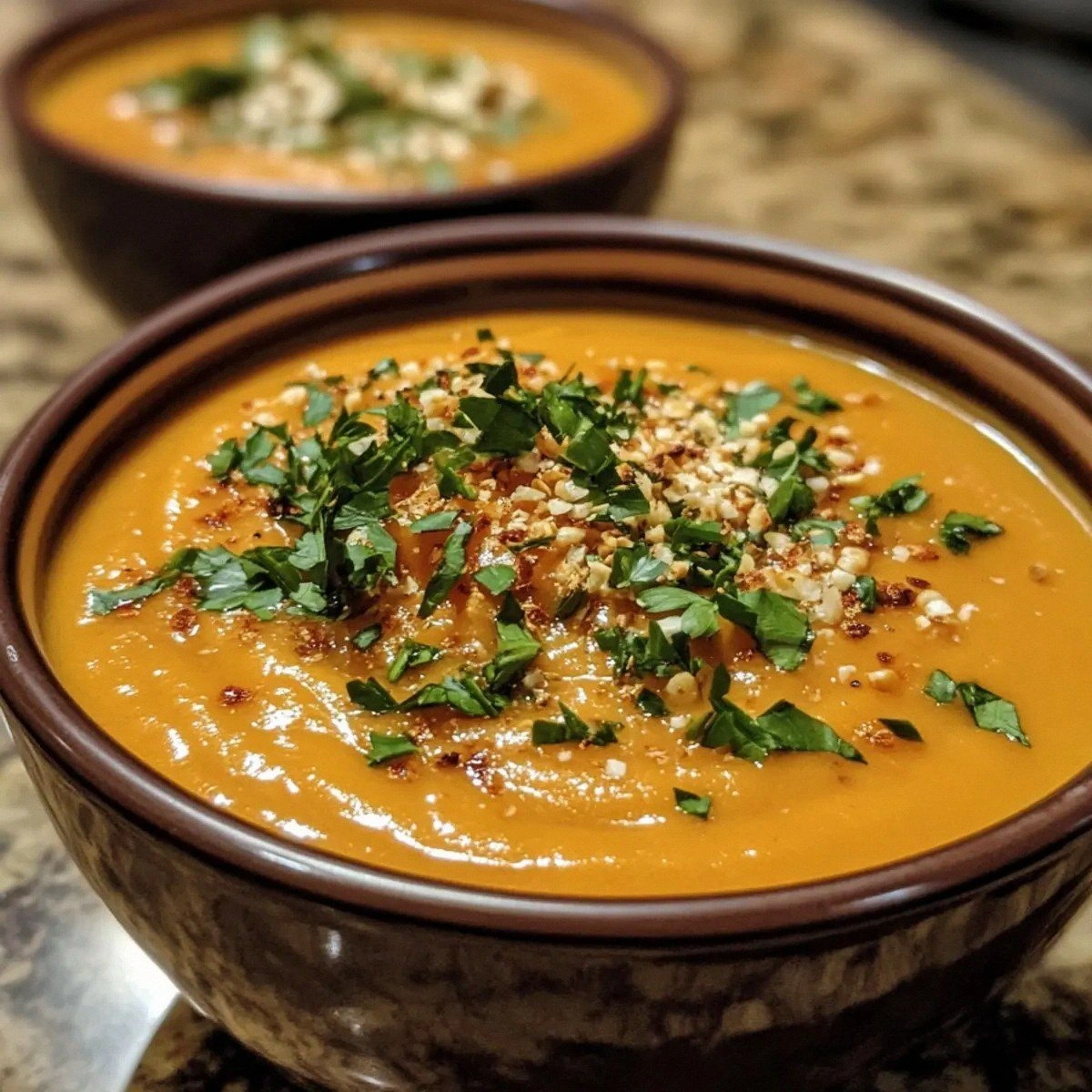
- Using an immersion blender, puree the soup until smooth. If you don’t have an immersion blender, carefully transfer the soup in batches to a countertop blender. The goal is a velvety texture that feels like a silky sauce.
- Stir in one can of coconut milk, two tablespoons of fresh lemon juice, and a pinch of black pepper. Bring the soup back to a gentle simmer and let it cook for another 5 minutes. The coconut milk will thicken the soup slightly, adding richness.
- Taste and adjust seasoning. Add more salt or pepper if needed. If you prefer a tangier soup, add an extra teaspoon of lemon juice. This is the moment of truth; the soup should feel balanced, creamy, and bright.
That's it — you did it. But hold on, I've got a few more tricks that'll take this to another level. These insider tips will help you avoid common pitfalls and elevate the flavor profile even further.
Insider Tricks for Flawless Results
The Temperature Rule Nobody Follows
Many people think that simmering the soup at a high heat will cook it faster, but this actually burns the delicate flavors of the ginger and cumin. I keep the heat low to medium-low once the broth has come to a gentle simmer. This slow cooking allows the spices to release their full aroma without scorching. If you’re in a hurry, you can use a pressure cooker for 5 minutes, but be sure to release the pressure quickly to avoid overcooking the carrots.
Why Your Nose Knows Best
Your sense of smell is your best judge of doneness. If the soup smells toasty and slightly nutty, you’re on the right track. A lack of aroma often means the broth is too thin or the ginger isn’t properly sautéed. Trust your nose to tell you when the soup is ready for the final blend.
The 5-Minute Rest That Changes Everything
After blending, let the soup rest for five minutes before serving. This brief pause allows the flavors to meld and the coconut milk to thicken slightly. The result is a soup that feels richer and more cohesive. If you’re serving immediately, give it a quick stir to ensure even distribution of the coconut milk.
The Lemon Lift
Adding lemon juice at the end of cooking, rather than at the beginning, preserves its bright acidity. If you add it too early, the heat can dull the citrus notes. A tablespoon is enough to brighten the entire dish, but feel free to adjust to your taste.
The Final Garnish
A sprinkle of chopped fresh herbs, a swirl of coconut cream, or a few drops of sesame oil can elevate the presentation. For a rustic look, toss in a handful of roasted carrot shards. The garnish should complement, not overpower, the soup’s core flavors.
Creative Twists and Variations
This recipe is a playground. Here are some of my favorite ways to switch things up:
Spicy Thai Twist
Add a tablespoon of red curry paste and a pinch of crushed red pepper flakes. The result is a fragrant, spicy soup that feels like a Thai street food favorite. Serve with a sprinkle of fresh cilantro for an extra burst of freshness.
Creamy Chickpea Boost
Incorporate a can of drained chickpeas into the blend for added protein and a slightly nutty flavor. The chickpeas also add body, making the soup heartier. This variation is perfect for a vegetarian dinner that feels substantial.
Smoky Chipotle Variation
Replace the cumin with smoked paprika and add a teaspoon of chipotle in adobo sauce. This gives the soup a smoky depth and a subtle heat. Pair it with a dollop of Greek yogurt for a cool contrast.
Herb-Infused Green
Blend in a handful of fresh spinach or kale before adding the coconut milk. The greens add color, nutrition, and a mild earthiness that pairs well with the ginger. This version is a great way to sneak in extra veggies.
Sweet Potato Swap
Replace half the carrots with diced sweet potato. The sweet potato adds a natural sweetness and a silky texture. This variation feels like a comforting autumn bowl, even in the middle of summer.
Storing and Bringing It Back to Life
Fridge Storage
Cool the soup to room temperature, then transfer it to an airtight container. Store in the refrigerator for up to 4 days. The soup’s coconut milk base helps it stay fresh, but always check for off smells before reheating.
Freezer Friendly
Divide the soup into freezer-safe containers, leaving about an inch of headspace. Freeze for up to 3 months. When you’re ready to enjoy, thaw overnight in the fridge or use the defrost setting on your microwave.
Best Reheating Method
Reheat the soup gently on the stovetop over low heat, stirring frequently. Add a splash of water or broth if it’s too thick, and let it reach a gentle simmer. For a quick microwave reheat, cover the pot and heat on medium for 2-3 minutes, stirring halfway.