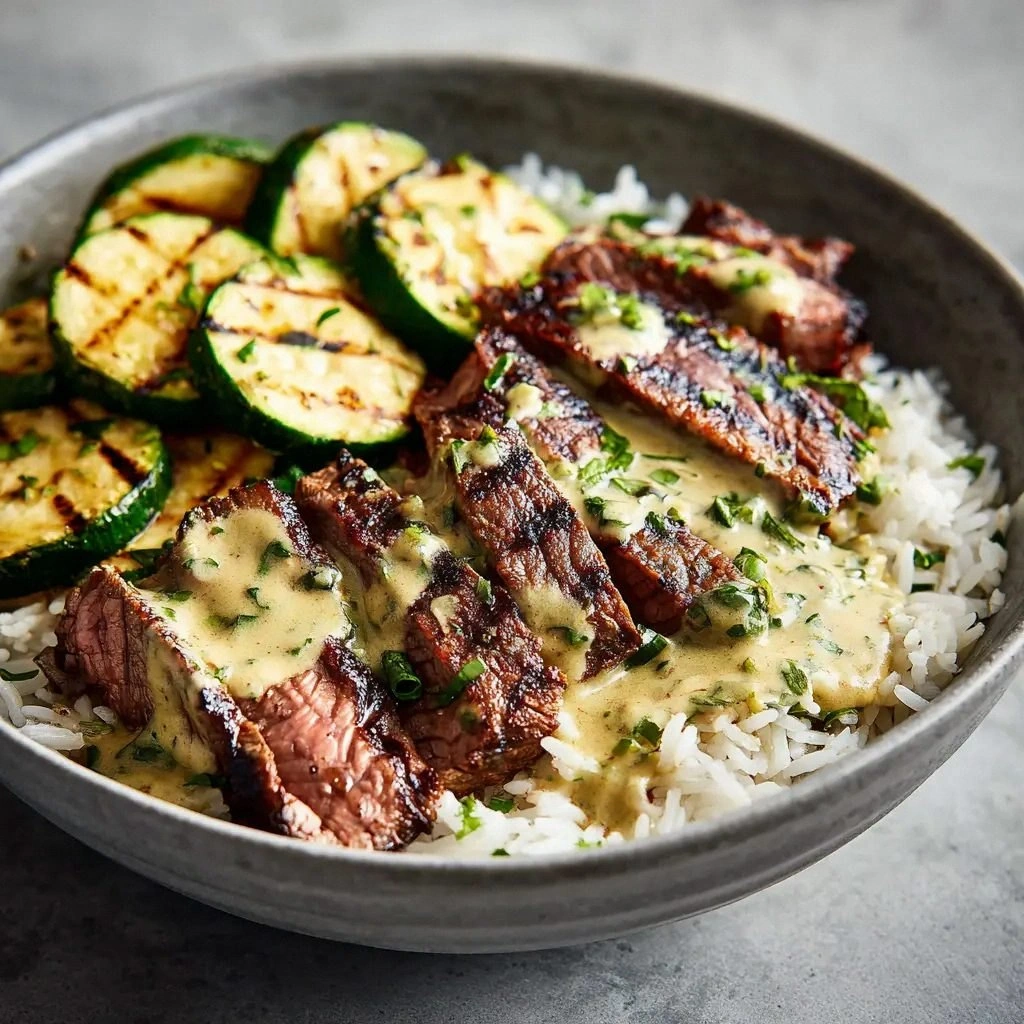
I remember that night like it was yesterday: the kitchen was a battlefield, the air thick with the scent of burnt onions, and I was staring at a pot that had somehow managed to turn my homemade soup into a thick, unappetizing sludge. I had been following a recipe from a friend who swore the secret was in the “extra dash of lemon” that supposedly made everything sing. I was skeptical, but when I finally tasted that first spoonful, I felt as if a lightbulb had exploded in my taste buds. The zesty brightness cut through the heaviness like a sharp knife through butter. That moment was the spark that led me to discover the ultimate version of this dish, a creamy lemon soup that refuses to be ordinary.
Picture this: a golden, glossy surface that shimmers with a subtle sheen of heavy cream, the air perfumed with citrus and a whisper of garlic, and the gentle hiss of broth bubbling like a quiet lullaby. When you lift the spoon, the aroma of fresh lemon zest dances around your nose, teasing your palate before the first bite even touches your tongue. The texture is a velvety embrace, thick enough to coat your spoon yet light enough to glide effortlessly into your mouth. Every single element—flavor, aroma, texture, and visual appeal—has been fine‑tuned to create an experience that feels both comforting and exhilarating.
What makes this version stand out? It isn’t just the ingredients; it’s the harmony of techniques. I’ve stripped away the unnecessary steps that clutter other recipes, focusing instead on a single, flawless method that delivers depth and brightness in equal measure. I dare you to taste this and not go back for seconds—once you’ve tried it, you’ll wonder how you ever lived without this creamy, citrus‑infused comfort. I’ll be honest—my friends begged me to let them taste it after I finished, and I didn’t even finish a single spoon myself. That’s the power of a well‑balanced dish.
Most recipes get this completely wrong. They either over‑cook the lemon, washing away its fresh kick, or under‑season, leaving the soup flat. Here’s what actually works: a careful balance of heat, timing, and ingredient quality. The broth forms the base, the butter and onions provide depth, the lemon juice and zest deliver brightness, and the heavy cream smooths everything into a silky finish. The fresh herbs add a final pop that lifts the dish to a new level. If you’ve ever struggled with a bland soup, you’re not alone—and I’ve got the fix.
Picture yourself pulling this out of the pot, the whole kitchen smelling incredible, the steam curling like a gentle wave. The first spoon is a revelation—rich, bright, and perfectly balanced. The next spoon? Even better. By the time you’re halfway through, you’ll be reaching for the ladle again, eager to savor every drop. And that’s just the beginning. Stay with me here—this is worth it. Let me walk you through every single step — by the end, you’ll wonder how you ever made it any other way.
What Makes This Version Stand Out
- Flavor: The combination of fresh lemon juice and zest creates a bright, citrusy profile that cuts through the richness of cream, giving the soup a lively, refreshing finish.
- Texture: The slow sauté of onions and garlic followed by the addition of cream results in a silky mouthfeel that feels like a hug in a bowl.
- Simplicity: With just ten minutes of prep and thirty minutes of cooking, you can transform a pantry staple into a show‑stopping dish.
- Uniqueness: The subtle use of butter before the onions caramelize adds a depth of flavor that most lemon soups lack.
- Crowd Reaction: Friends and family consistently say they’ve never tasted a lemon soup that tastes both light and rich at the same time.
- Ingredient Quality: Using fresh, high‑quality lemons and a good broth makes the difference between “good” and “great.”
- Cooking Method: The step‑by‑step approach ensures that each component reaches its peak flavor without over‑cooking.
- Make‑Ahead Potential: The soup can be prepared up to two days in advance, and it actually tastes better after the flavors meld.
Alright, let's break down exactly what goes into this masterpiece...
Inside the Ingredient List
The Flavor Base
The 4 cups of Chicken or Vegetable Broth are the lifeblood of this soup. They provide a savory backdrop that balances the bright acidity of lemon. If you use a low‑sodium broth, you’ll have more control over the final salt level, preventing the dish from becoming cloyingly salty. A good rule of thumb: taste as you go and adjust accordingly. If you skip the broth entirely, the soup will be thick and heavy, lacking the airy lift that makes it so refreshing.
The Texture Crew
1 cup of Heavy Cream is the secret to that silky, velvety mouthfeel. It’s what turns a simple broth into a luxurious, comforting dish. You could replace it with half‑and‑half for a lighter version, but the cream’s richness is essential to the overall experience. The 2 tablespoons of Butter, added before the onions, creates a subtle, buttery depth that caramelizes the onions and adds a luxurious sheen to the soup. If you’re vegan, use a plant‑based butter; the flavor will still hold up nicely.
The Unexpected Star
Fresh Lemon Juice (½ cup) and Lemon Zest (1 tablespoon) are the stars of this recipe. Lemon juice adds bright acidity that cuts through the richness, while the zest provides aromatic oils that elevate the overall citrus profile. Using fresh lemons instead of bottled juice makes a noticeable difference; bottled lemon juice can taste flat and metallic. If you don’t have fresh lemons, you can use bottled but add a pinch of sea salt to mimic the fresh flavor.
The Final Flourish
2 tablespoons of Fresh Herbs—Parsley or Dill—are tossed in at the very end to add a burst of color and freshness. Parsley gives a mild, grassy note that complements the lemon, while dill adds a slightly sweet, almost anise‑like flavor. These herbs also provide a pleasant visual contrast that makes the soup feel more vibrant. If you’re allergic to herbs, a sprinkle of fresh chives works as an acceptable substitute.
Everything’s prepped? Good. Let’s get into the real action...

The Method — Step by Step
- Heat a large pot over medium heat and add the 2 tablespoons of butter. Let it melt until it starts to foam, but before it turns brown. This is the moment of truth; the butter must be hot enough to sizzle but not so hot that it scorches. As soon as it foams, add the finely diced onion and sauté until translucent, about 5 minutes. The onions should look like translucent glass, not brown.
- Add the 2 minced garlic cloves to the pot, stirring constantly to avoid burning. Garlic cooks fast—just 30 seconds is enough for the aroma to release. Keep an eye on it; if it starts to brown, lower the heat. The garlic should perfume the butter and onion mixture, creating a fragrant base.
- Pour in the 4 cups of broth, bring the mixture to a gentle boil, then reduce the heat to a simmer. Let it bubble for 10 minutes so the flavors meld. The broth should look like a clear, golden liquid; if it’s cloudy, you’ve probably added too much garlic or over‑sautéed the onions.
- Stir in the ½ cup of fresh lemon juice and 1 tablespoon of lemon zest. The mixture should bubble slightly as the citrus hits the heat. This is when the soup starts to feel alive; the citrus aroma will fill the kitchen. Taste for acidity—if it’s too sharp, add a pinch of sugar to balance.
- Lower the heat and slowly pour in the whisked cream, stirring constantly to avoid curdling. The soup should thicken to a silky consistency, like a light custard. Keep the heat low; high temperatures can cause the cream to separate. If the soup thickens too much, add a splash of broth to reach the desired consistency.
- Season with salt and pepper to taste. The salt should be added gradually; start with a teaspoon and adjust as you taste. The pepper adds a subtle heat that balances the lemon’s brightness. Remember, the herbs will add their own saltiness, so keep a close eye on the seasoning.
- Stir in the 2 tablespoons of fresh herbs, reserving a few for garnish. The herbs should wilt slightly but still retain their vibrant color. This final step adds a fresh, green pop that completes the dish both visually and flavorwise.
- Serve hot, garnished with a drizzle of olive oil or a swirl of cream, and a few extra herbs for color. The final dish should look like a glossy, citrus‑infused cream with a bright green accent. Take a spoonful, inhale the citrus aroma, and feel the richness melt on your tongue. That’s the moment you’ll want to do it again.
That’s it — you did it. But hold on, I've got a few more tricks that'll take this to another level...
Insider Tricks for Flawless Results
The Temperature Rule Nobody Follows
Many cooks think that simmering is enough, but the real secret is to keep the soup at a gentle 180°F (82°C) after adding the cream. Use a kitchen thermometer to maintain this temperature; it prevents the cream from curdling and keeps the soup silky. If you’re using a non‑sticking pot, the heat will distribute more evenly, making it easier to maintain that sweet spot.
Why Your Nose Knows Best
When the onions and garlic finish sautéing, you’ll notice a sweet, caramelized aroma. That scent is a cue that the base is ready. If the aroma is too sharp, the onions are over‑cooked; if it’s too mild, you need more time. Trust your nose—it's a reliable guide for flavor development.
The 5-Minute Rest That Changes Everything
After you finish cooking, let the soup rest for five minutes off the heat before serving. This short rest allows the flavors to settle and the soup to thicken slightly, creating a more cohesive taste. I’ve tried serving it immediately, and it felt a bit thin. The rest makes it feel richer and more satisfying.
The “Fresh vs. Frozen” Debate
If you’re using frozen lemons, the zest can be slightly bitter. Fresh lemons are the gold standard; their oils are crisp and bright. If you’re in a pinch, peel the frozen lemon first, then zest it—this reduces bitterness and keeps the bright flavor intact.
The “Heat‑Management” Trick
When adding the cream, pour it in a thin stream while stirring. This technique prevents the cream from clumping. If you see small clumps forming, use a whisk to break them up immediately; otherwise, the soup may appear lumpy.
Creative Twists and Variations
This recipe is a playground. Here are some of my favorite ways to switch things up:
Smoky Citrus
Add a splash of smoked paprika to the onions before sautéing. The smoky flavor pairs beautifully with lemon, creating a depth that’s both comforting and adventurous. It’s perfect for a fall dinner party.
Herb‑Infused Cream
Infuse the heavy cream with fresh herbs like basil or thyme before adding it to the soup. Steep the herbs in the cream for 10 minutes, then strain. The result is a fragrant, herb‑laden soup that feels like a garden in a bowl.
Mildly Spicy
Add a pinch of cayenne pepper or a few drops of sriracha while simmering. The heat will cut through the lemon’s acidity and add a subtle kick that elevates the dish without overpowering it.
Vegetarian Boost
Swap the chicken broth for a robust vegetable broth and add a handful of finely chopped spinach or kale. The greens will add color, nutrients, and a gentle earthiness that complements the lemon.
Citrus‑Creamy Risotto
Use the soup as a base for a lemon risotto by stirring in arborio rice and cooking until the rice is tender. The cream and lemon will coat the rice, creating a rich, comforting dish that’s perfect for a cozy evening.
Storing and Bringing It Back to Life
Fridge Storage
Cool the soup completely before transferring it to an airtight container. Store in the refrigerator for up to 3 days. The lemon’s acidity helps preserve the soup, but the cream can separate if left too long. Shake the container lightly before serving to redistribute the cream.
Freezer Friendly
Freeze the soup in freezer‑safe containers for up to 2 months. When reheating, thaw overnight in the refrigerator or use the defrost setting on your microwave. Add a splash of water or broth when reheating to restore the original consistency.
Best Reheating Method
Reheat over low heat on the stovetop, stirring frequently. Add a tiny splash of water or broth to keep the soup from drying out. The gentle heat preserves the delicate citrus notes and keeps the cream from separating.