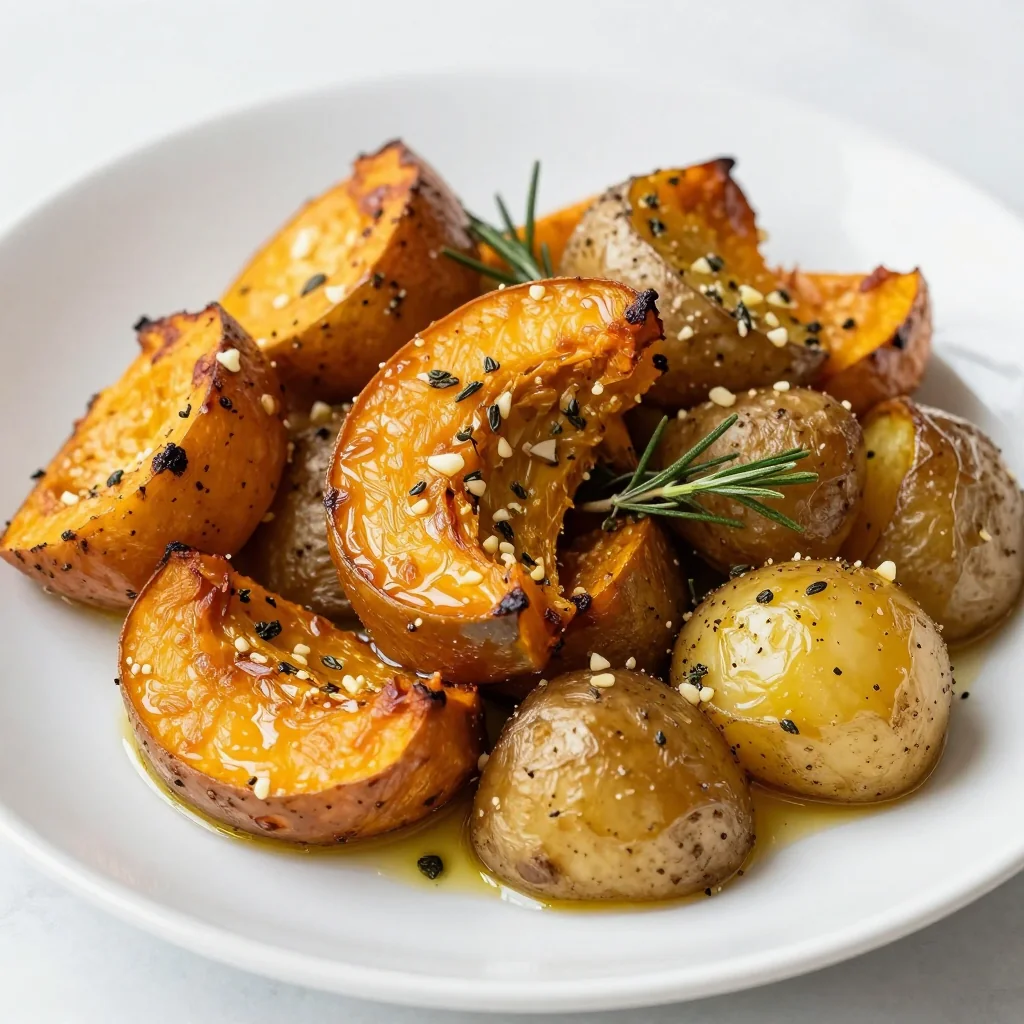
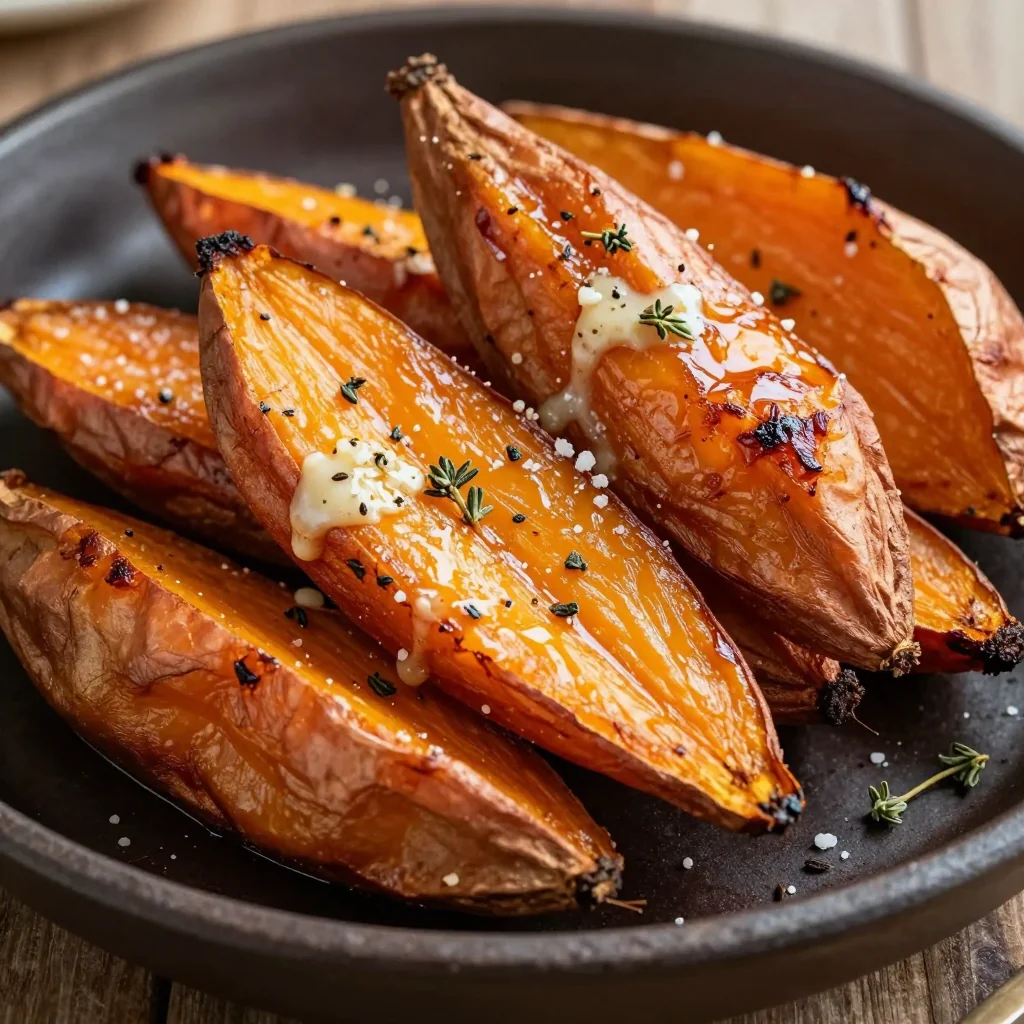
It started with a kitchen catastrophe that still haunts my kitchen counter. I had been chasing the elusive promise of a comforting, autumn‑savory dish after a long week of bland take‑out, and the moment I opened the oven, the smell of caramelized onions and roasted butternut squash exploded, filling the air like a warm hug. The sizzling sound of chicken thighs searing in butter was a soundtrack I could not ignore, and the golden crust that formed on the squash was the visual cue that my culinary instincts were on point. That instant, I realized I had stumbled upon a recipe that would become a staple in my dinner rotation, and I couldn't wait to share every secret.
Imagine the first bite: the tender chicken, slightly crispy on the edges, mingling with the silky, sweet squash that has been roasted to a caramelized perfection. The leeks add a subtle oniony sweetness that lifts the entire dish, while a sprinkle of Parmesan creates a velvety, slightly nutty finish that coats every forkful. The aroma alone—rich, buttery, with a hint of paprika and thyme—has the power to turn a regular dinner into a moment of pure indulgence. I dare you to taste this and not go back for seconds.
What sets this version apart from the endless variations you find online is the meticulous balance of flavors and textures. The chicken is not just cooked; it’s seared to lock in juices before it’s gently braised in stock, ensuring each bite remains succulent. The butternut squash is diced into uniform cubes that roast evenly, giving it a slightly crisp exterior while staying fluffy inside. The leeks are sliced thinly, allowing them to soften and release their natural sweetness without overpowering the dish. The result is a harmony of sweet, savory, and umami that feels both comforting and sophisticated.
And there’s a twist you won’t expect: a splash of fresh parsley at the very end not only adds a pop of color but also a bright, herbaceous counterpoint that lifts the dish from hearty to refreshing. Picture yourself pulling this out of the oven, the whole kitchen smelling incredible, and then serving it with a drizzle of olive oil that glistens like a golden waterfall. Let me walk you through every single step—by the end, you’ll wonder how you ever made it any other way.
What Makes This Version Stand Out
- Flavor Depth: The combination of paprika, thyme, and fresh parsley creates a layered, aromatic profile that’s both earthy and bright.
- Texture Contrast: Crispy chicken edges, caramelized squash, and silky leeks provide a delightful mouthfeel that keeps diners engaged.
- Effortless Simplicity: With only 12 ingredients and a single pan, you can deliver a restaurant‑quality meal in under an hour.
- Ingredient Quality: Using boneless skinless thighs instead of breast gives the dish a richer flavor and more forgiving texture.
- Make‑Ahead Friendly: The baked casserole can be prepared a day ahead, allowing the flavors to meld while you tackle other dishes.
- Crowd‑Pleaser: This dish receives rave reviews from both kids and adults, making it perfect for family dinners or casual gatherings.
- Seasonal Flexibility: While it’s a quintessential fall favorite, the ingredients are available year‑round, so you can enjoy it whenever the mood strikes.
- Health‑Conscious: Packed with vegetables, lean protein, and a modest amount of cheese, it satisfies without compromising nutrition.
Alright, let’s break down exactly what goes into this masterpiece…
Inside the Ingredient List
The Flavor Base
At the heart of this dish lies the humble onion and garlic, which form a fragrant foundation. The onion, halved and sliced, releases a sweet, caramelized note as it browns, while the minced garlic adds a sharp, aromatic punch that permeates the entire casserole. If you skip the onion, the dish loses its sweet undertone, and the garlic alone can become overpowering. For a slightly different profile, substitute the minced garlic with a tablespoon of garlic-infused oil.
The Texture Crew
Boneless skinless chicken thighs are the star protein, chosen for their moisture retention and robust flavor. Cutting them into thirds ensures even cooking and maximizes surface area for that coveted sear. If you prefer a leaner option, skinless chicken breasts can be used, but be prepared for slightly drier meat; a splash of stock right before serving can help. The butternut squash, peeled, diced, and cubed, provides a sweet, buttery texture that contrasts beautifully with the savory chicken.
The Unexpected Star
Leeks, often overlooked, bring a delicate, onion‑like sweetness that deepens the dish’s flavor profile. Washing them thoroughly removes grit, and slicing them thinly allows them to soften quickly, releasing their subtle flavor without dominating the palate. If leeks are unavailable, a combination of shallots and thinly sliced onions can replicate their gentle sweetness.
The Final Flourish
Parmesan cheese, freshly grated, adds a salty, nutty finish that melts into a silky coating over the casserole. A handful of fresh parsley, chopped, serves as a bright garnish, offering a burst of color and a fresh herbal note that cuts through the richness. Salt and black pepper, to taste, are essential for balancing the sweetness of the squash and the savoriness of the chicken. If you’re watching sodium, use low‑sodium chicken stock and a pinch of salt.
Everything’s prepped? Good. Let’s get into the real action…
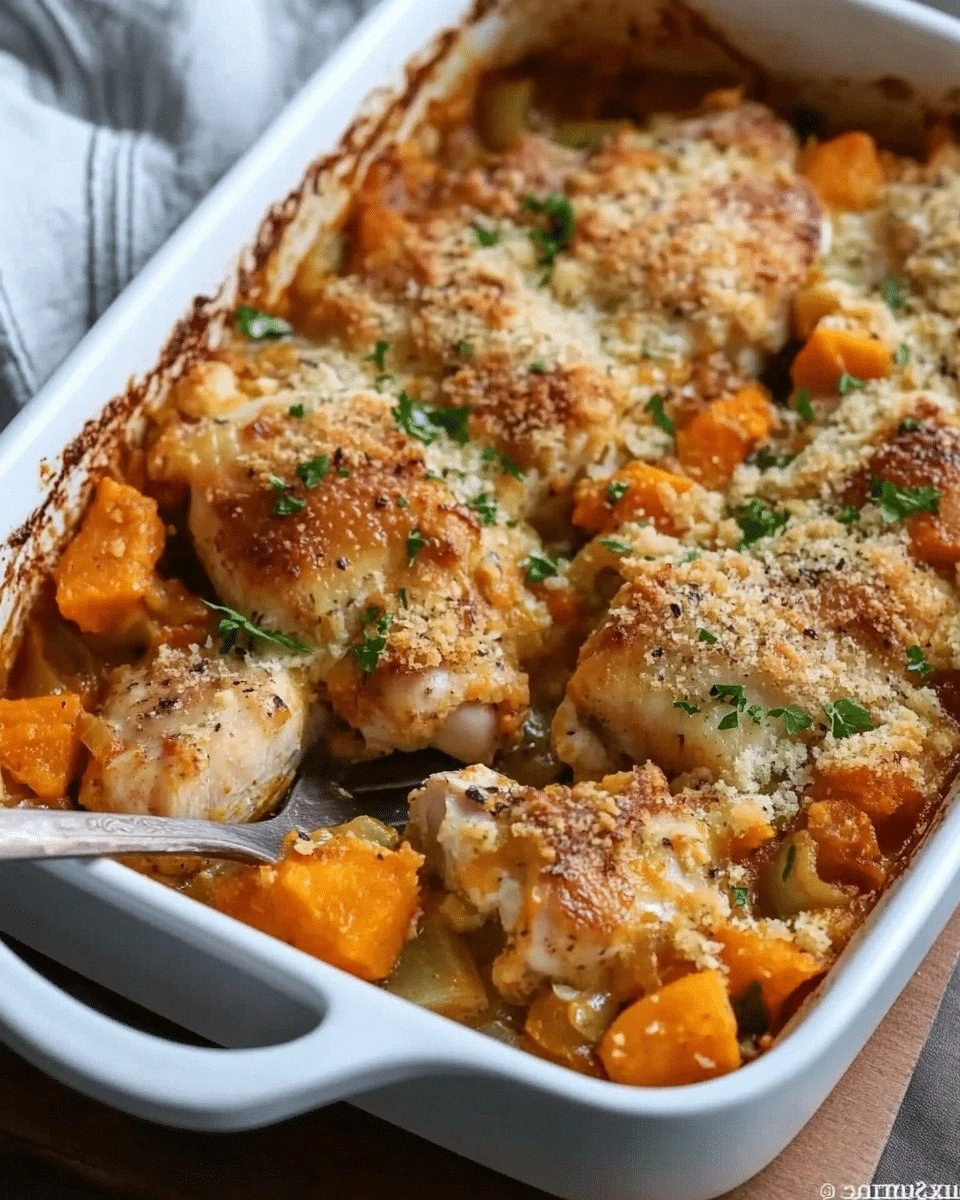
The Method — Step by Step
- Preheat your oven to 200°C (400°F). While the oven warms, heat a large, oven‑proof skillet or Dutch oven over medium‑high heat. Add the tablespoon of salted butter and let it melt, swirling the pan so the butter coats the surface. When the butter starts to foam, it’s ready for the chicken. This is the moment of truth: the sizzling sound signals the perfect sear.
- Season the chicken thighs generously with salt, black pepper, dried parsley, thyme, and paprika. Pat the pieces dry with paper towels; this ensures a crisp exterior. Place the chicken thighs skin‑side down in the hot skillet, leaving a little space between each piece. Sear for 3–4 minutes, or until the skin turns a deep golden brown. Flip the chicken and sear the other side for an additional 3 minutes.
- Remove the chicken from the skillet and set aside. In the same pan, add the sliced onions and a pinch of salt, cooking until they’re translucent and beginning to caramelize, about 5 minutes. The onions should emit a sweet, fragrant aroma that signals they’re ready.
- Add the minced garlic and leeks to the pan, stirring constantly for 2 minutes until the leeks soften and the garlic releases its aroma. This step is crucial; the garlic should not brown, or it will develop a bitter taste. The leeks should look translucent and slightly golden.
- Stir in the diced butternut squash, ensuring each cube is coated in the buttery, onion‑garlic mixture. Toss gently so the squash starts to brown on the edges. This caramelization will give the dish that sweet, nutty flavor profile.
- Pour in the chicken stock, just enough to cover the bottom of the pan. Return the seared chicken thighs to the skillet, nestling them into the liquid. The liquid should reach about halfway up the chicken pieces. Bring to a gentle simmer, then cover the pan with a lid or foil.
- Transfer the skillet to the preheated oven and bake for 20 minutes. After 20 minutes, remove the lid, sprinkle the grated Parmesan evenly over the top, and return to the oven uncovered for an additional 10 minutes. The cheese will melt into a golden, slightly crisp coating.
- Remove the casserole from the oven and let it rest for 5 minutes. During this time, the flavors will meld, and the liquid will thicken slightly. Sprinkle the chopped parsley over the top, drizzle a little extra‑virgin olive oil if desired, and serve hot straight from the pan.
That’s it — you did it. But hold on, I’ve got a few more tricks that will take this to another level…
Insider Tricks for Flawless Results
The Temperature Rule Nobody Follows
Many cooks believe that the higher the oven temperature, the better the roast. In reality, a moderate 200°C (400°F) is ideal for this casserole because it allows the chicken to cook through without drying out, while giving the squash a chance to caramelize. I once tried baking at 230°C (450°F) and ended up with a dry chicken and under‑cooked squash. Stick to the sweet spot and you’ll get perfect results every time.
Why Your Nose Knows Best
As the casserole bakes, the aroma is a reliable indicator of doneness. When you smell a nutty, buttery scent mingling with a hint of caramelized onion, it means the squash is tender and the flavors have melded. If you’re still uncertain, use a meat thermometer; the chicken should read 74°C (165°F).
The 5‑Minute Rest That Changes Everything
Letting the dish rest after removing it from the oven is crucial. During this brief pause, the juices redistribute, ensuring each bite is moist and flavorful. Skipping this step can leave the chicken slightly dry and the sauce watery. Trust me, that 5‑minute wait pays off.
Use Fresh Stock for Extra Depth
Store‑bought stock is convenient, but homemade stock adds a subtle, savory backbone that elevates the dish. If you’re short on time, opt for a low‑sodium, high‑quality store brand, and add an extra pinch of salt during the final seasoning.
Finish with a Splash of Cream
For a richer, silkier sauce, whisk in a tablespoon of heavy cream or a dollop of Greek yogurt just before serving. This adds a creamy texture without making the dish overly heavy.
Creative Twists and Variations
This recipe is a playground. Here are some of my favorite ways to switch things up:
Smoky Chipotle Twist
Replace the paprika with chipotle powder and add a splash of adobo sauce. The result is a smoky, mildly spicy casserole that pairs wonderfully with a cool avocado salsa.
Herb‑Infused Delight
Swap the dried thyme for fresh rosemary and add a handful of chopped basil at the end. This green herb combo brightens the dish and adds a fragrant, fresh layer.
Vegetarian Version
Omit the chicken and add a can of chickpeas for protein. The chickpeas absorb the savory broth, turning the dish into a hearty, plant‑based meal.
Cheesy Bake
Layer shredded mozzarella between the chicken and squash before baking. The cheese melts into a gooey, golden crust that adds indulgence.
Spicy Sriracha Finish
Drizzle a teaspoon of sriracha over the casserole right before serving. The heat contrasts with the sweet squash, creating a balanced flavor profile.
Gluten‑Free Option
Serve the casserole over a bed of quinoa or cauliflower rice. This keeps the dish gluten‑free while maintaining a comforting texture.
Storing and Bringing It Back to Life
Fridge Storage
Cool the casserole completely, then transfer it to an airtight container. Store in the refrigerator for up to 3 days. Reheat in the oven at 180°C (350°F) for 10–12 minutes, or until heated through.
Freezer Friendly
Wrap the casserole tightly in plastic wrap, then place it in a freezer bag. Freeze for up to 2 months. Thaw overnight in the refrigerator before reheating as described above.
Best Reheating Method
To avoid a dry result, add a splash of chicken stock or water before reheating. Cover the pan with foil while warming in the oven, then remove the foil for the last 2 minutes to crisp the top.